


Going public ahead, valuation lagging—where is the gap between KNOWLEDGE ATLAS and MiniMax?

KNOWLEDGE ATLAS and MiniMax exhibited markedly different performances after their listings on the Hong Kong Stock Exchange. KNOWLEDGE ATLAS's stock price rose by 13.17% on its first day, with a market capitalization of approximately HKD 57.89 billion; whereas MiniMax's stock price surged over 109%, reaching a market capitalization of HKD 106.693 billion. Analysts believe that the differences in their business models and future monetization capabilities led to the varying market reactions. KNOWLEDGE ATLAS focuses more on the government and enterprise market, resulting in a longer profit cycle; MiniMax, on the other hand, primarily relies on C-end subscriptions, making revenue growth more straightforward. There is a significant difference in investors' valuation expectations for the two
Following the listing of "the world's first large model stock" KNOWLEDGE ATLAS (02513.HK) on January 8, on January 9, MiniMax (0100.HK) followed suit. The two Chinese large model unicorns debuted consecutively on the Hong Kong stock market, but their stock price trends showed a stark contrast.
On January 8, KNOWLEDGE ATLAS was priced at HKD 116.2 per share upon listing, opening at HKD 120 per share, a rise of 3.3%. During the day, it briefly fell below the issue price but rallied at the end to close at HKD 131.5 per share, up 13.17% from the issue price, with a market capitalization of approximately HKD 57.89 billion. KNOWLEDGE ATLAS's public offering in Hong Kong was oversubscribed by about 1159 times, and its first-day performance can be described as "initial pressure followed by stability," overall leaning towards rationality.
A day later, MiniMax made its debut on the Hong Kong Stock Exchange. Its issue price was HKD 165 per share, with the public offering oversubscribed by 1837 times and international placement oversubscribed by over 36 times, showing significantly higher enthusiasm than KNOWLEDGE ATLAS. The opening price was HKD 235.4 per share, up 42.7% from the issue price, and it closed with a rise of over 109%, corresponding to a market capitalization of HKD 106.693 billion—becoming the world's first large model company valued over HKD 100 billion.
Meanwhile, KNOWLEDGE ATLAS, on its second day of listing, performed much worse, closing at HKD 158, with a market capitalization of HKD 69.8 billion—resulting in a difference of about HKD 37 billion between the two.
Given that both companies are leading domestic foundational large model firms and have similar IPO pricing valuations, why is there such a significant performance gap in the Hong Kong stock market?
Institutional analysis suggests that the differences are closely related to the two companies' business models, future monetization capabilities, and foreign capital's demand for investment in Chinese AI companies. From a business path perspective, KNOWLEDGE ATLAS focuses more on general AGI foundations and localized deployments for government and enterprise, resulting in a longer profit cycle; MiniMax, on the other hand, started with C-end subscriptions and AI-native applications, making its revenue growth curve more intuitive and easier for the secondary market to "understand."
Against the backdrop of high computing costs and ongoing losses being a consensus in the industry, Hong Kong stock investors have cast their votes with funds, giving different expectations for the two large model commercialization routes.
Pricing and International Investor Differences
An institutional investor in Hong Kong revealed that he and other investors had conducted valuation calculations, and compared to MiniMax, they unanimously believed that KNOWLEDGE ATLAS's IPO pricing valuation was too high. This investor disclosed that their model calculated that KNOWLEDGE ATLAS's valuation differed from MiniMax by at least HKD 15-20 billion.
During the roadshow phase, both companies set their valuations at around HKD 50 billion, but the intensity of competition for the listing quotas indicates the gap between the two companies in the minds of institutional investors, which directly determines their future performance.
This time, over 460 institutions participated in the MiniMax IPO subscription, with oversubscription reaching over 70 times (excluding cornerstone investors).
This set a historical record for institutional subscriptions in Hong Kong IPOs in recent years, previously held by CATL, which was oversubscribed 30 times when it entered the Hong Kong market in 2025, excluding cornerstone investors Foreign investment institutions are very enthusiastic about the MiniMax project. Some fund managers have stated that this is because many foreign funds, when allocating large model targets, found that while there are some gaps in technical capabilities between leading Chinese large model companies like MiniMax and their American counterparts, the differences are not as significant as they imagined after reviewing the prospectus.
More importantly, these foreign fund managers believe that compared to the extremely high valuations of American large model companies, the valuations of large model companies like MiniMax are severely undervalued.
Huang Mingming, founding partner of Ming Shi Venture Capital, stated that MiniMax's listing is highly sought after by global long-term funds, which also indicates market recognition of Chinese AI companies. He believes that more severely undervalued Chinese technology companies will subsequently be discovered by more investors in the global market. Ming Shi Capital has invested in MiniMax in six consecutive rounds since 2022, making it the investment institution with the most participation rounds.
Even including cornerstone investors, MiniMax's subscription exceeded 36 times, far surpassing that of KNOWLEDGE ATLAS, which only exceeded 15 times. (As shown below, the upper image is the institutional subscription number for MiniMax, and the lower image is for KNOWLEDGE ATLAS.)


Those institutions and retail investors who rushed to buy MiniMax's IPO shares but were unable to do so will purchase them through the public market.
Even among retail investors, there is a significant difference in the orders placed for KNOWLEDGE ATLAS and MiniMax. Public data shows that a total of 204,000 retail investors participated in the subscription for KNOWLEDGE ATLAS, while MiniMax had over 400,000. (As shown below, the upper image is the retail subscription number for KNOWLEDGE ATLAS, and the lower image is for MiniMax.)


Different Business Model Paths
A fund manager based in Hong Kong stated that he is not surprised by the lack of enthusiasm from institutional investors for KNOWLEDGE ATLAS. In his view, although both are general large models and are in a money-burning phase, what everyone may care more about is their future blood generation and recovery capabilities.
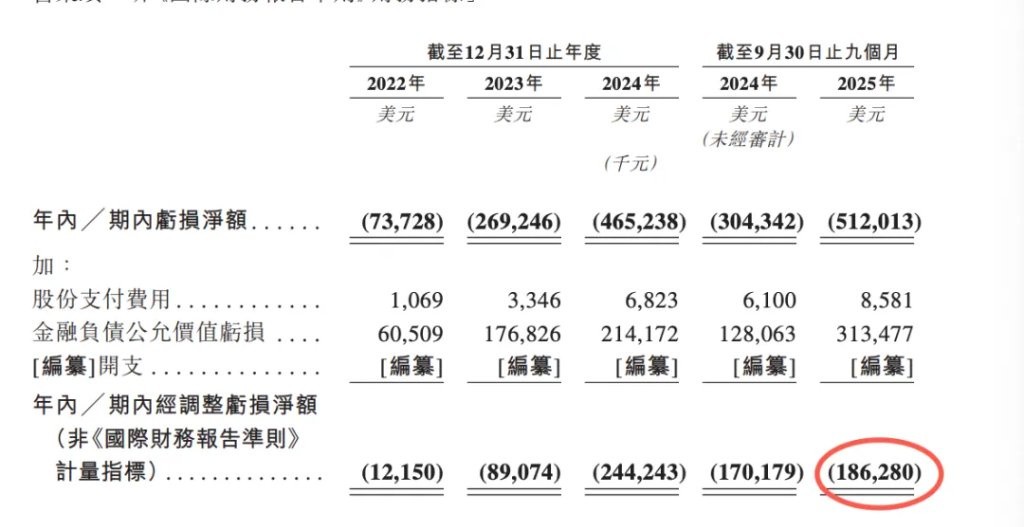
Like most large model companies, both MiniMax and KNOWLEDGE ATLAS are still in a loss-making state, which does not become a concern for investors Knowledge Atlas disclosed financial data showing that in the first half of 2025, its adjusted loss is approximately 1.75 billion yuan (as shown in the figure below). Meanwhile, Knowledge Atlas currently has cash equivalents of 2.55 billion yuan, and the net amount raised through the IPO is HKD 4.17 billion—this means that at the current burn rate, Knowledge Atlas can continue for another 1.9 years without raising funds from the public market.
As for MiniMax, as of the end of September 2025, its loss is around USD 180 million, while it still has over USD 362 million in cash (as shown in the figure below).
Compared to losses, investors may be more concerned about the revenue and its composition of Knowledge Atlas and MiniMax.
Knowledge Atlas's financial report shows that in 2022, 2023, and 2024, its revenues were 57.4 million yuan, 124.5 million yuan, and 312.4 million yuan, respectively, with a compound annual growth rate of 130%.
As of the end of June 2025, Knowledge Atlas's clients include enterprises, public sectors, and individuals, with institutional clients (enterprises and public sectors) being the majority, exceeding 8,000, covering approximately 80 million devices.
However, some investors believe that the public sector accounts for a significant portion of Knowledge Atlas's revenue, which may also affect its future profit model. These public sectors are mostly related to government or state-owned enterprises. Knowledge Atlas's financial report indicates that the vast majority of its revenue comes from the mainland, and in terms of localized deployment, only a small amount of localized deployment services are provided to overseas clients, including Southeast Asia.
Among the localized deployments, in Knowledge Atlas's vertical industries, besides the internet and technology industry accounting for 38.3%, data from the first half of 2025 shows that the public service sector accounts for about 30%, second only to the internet and technology industry (as shown in the figure below).
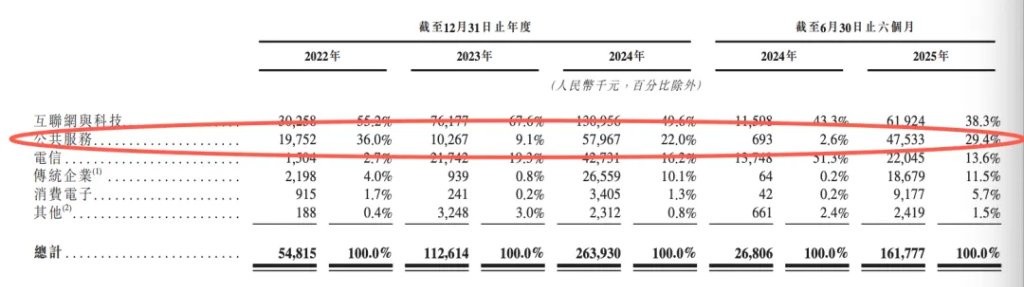
This makes Knowledge Atlas's revenue model appear more similar to SenseTime's model during the last AI wave—doing government business, which may raise concerns among investors.
When SenseTime went public in Hong Kong, it was also questioned by many investors for this reason, and subsequently, SenseTime's performance in the Hong Kong stock market was once unsatisfactory, leading to many investors losing money on this project.
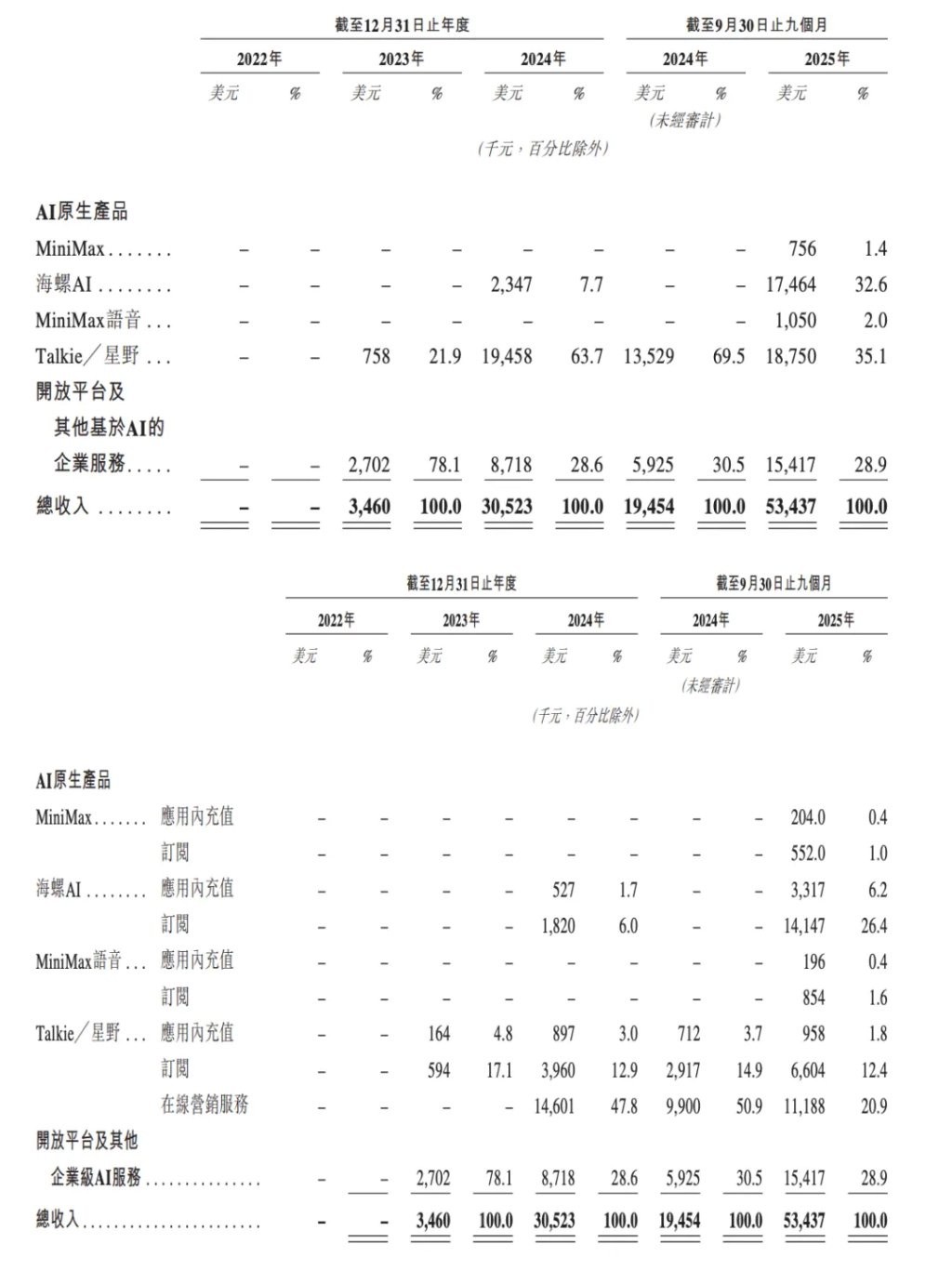
Some investors in Hong Kong have expressed to Tencent Finance that MiniMax's business model is relatively clear and is gradually achieving diversified revenue streams—this gives them confidence in MiniMax's future ability to achieve a balance between income and expenditure. MiniMax's prospectus shows that its monetization methods include subscriptions and payments for multiple products. Some investors even believe that with 220 million existing users, the conversion rate of future paying users is also worth looking forward to. Meanwhile, they also believe that MiniMax, as a leading large model company in China, has promising prospects for its overseas business in the future The specific business revenue is shown in the figure below.
A fund manager who has been closely following investments in the AI industry stated that the MiniMax team is very young, and he believes this is a direction worth paying attention to. Public data shows that MiniMax has a total of 385 employees, with an average age of 29, and the founder, Yan Junjie, is only 37 years old.
In contrast, Liu Debing, the co-founder and chairman of Zhipu, is already 49 years old. Even more surprising is that after the departure of core founder Tang Jie, the chief scientist of Zhipu is now Professor Zhang Bo from Tsinghua University, who is 90 years old.
In addition, there is a significant difference in the composition of cornerstone investments between the two.
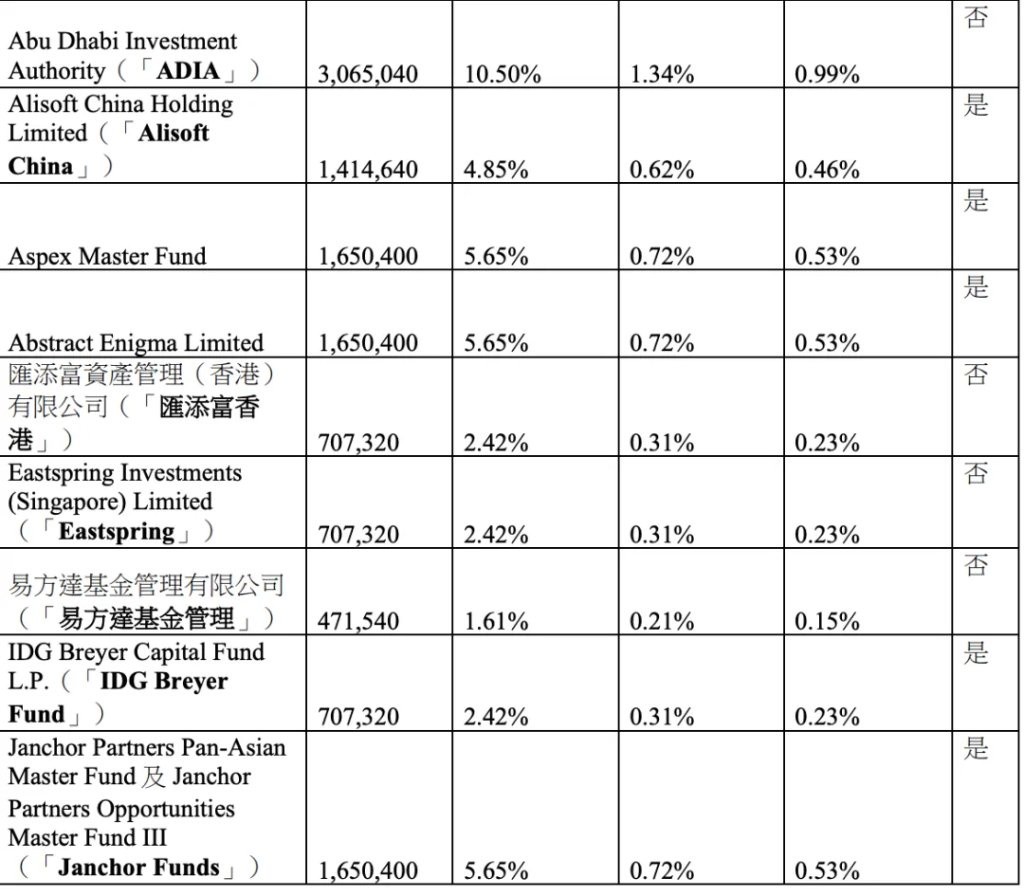
MiniMax's cornerstone investors are relatively diverse, including not only institutions with mainland backgrounds but also subscriptions from leading foreign institutions such as Future Asset and sovereign funds from countries like Abu Dhabi. (As shown in the figure below)
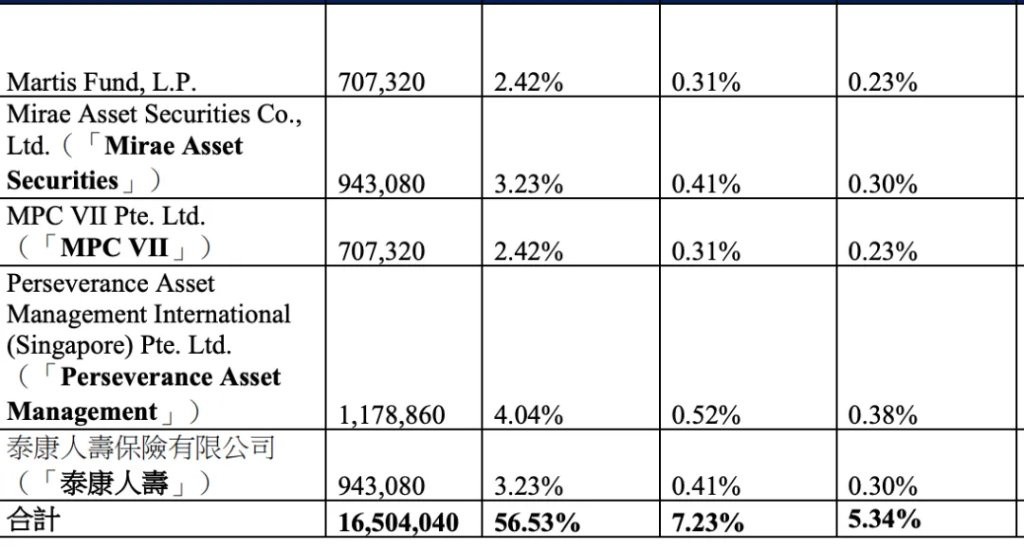
Zhipu's cornerstone subscription part is also different from most popular companies going public in Hong Kong, as they are all institutions with Chinese backgrounds. In recent years, popular southbound IPO projects, including Zijin Mining and CATL, have almost all seen foreign capital rushing to subscribe.
The market enthusiasm for Zhipu is not low, but there are no foreign investors in the cornerstone allocation list it has released, while MiniMax, which is going public at the same time, has seen many foreign cornerstone investors.
In addition, Zhipu's cornerstone subscription part is also different from most popular companies going public in Hong Kong, as they are all institutions with Chinese backgrounds.
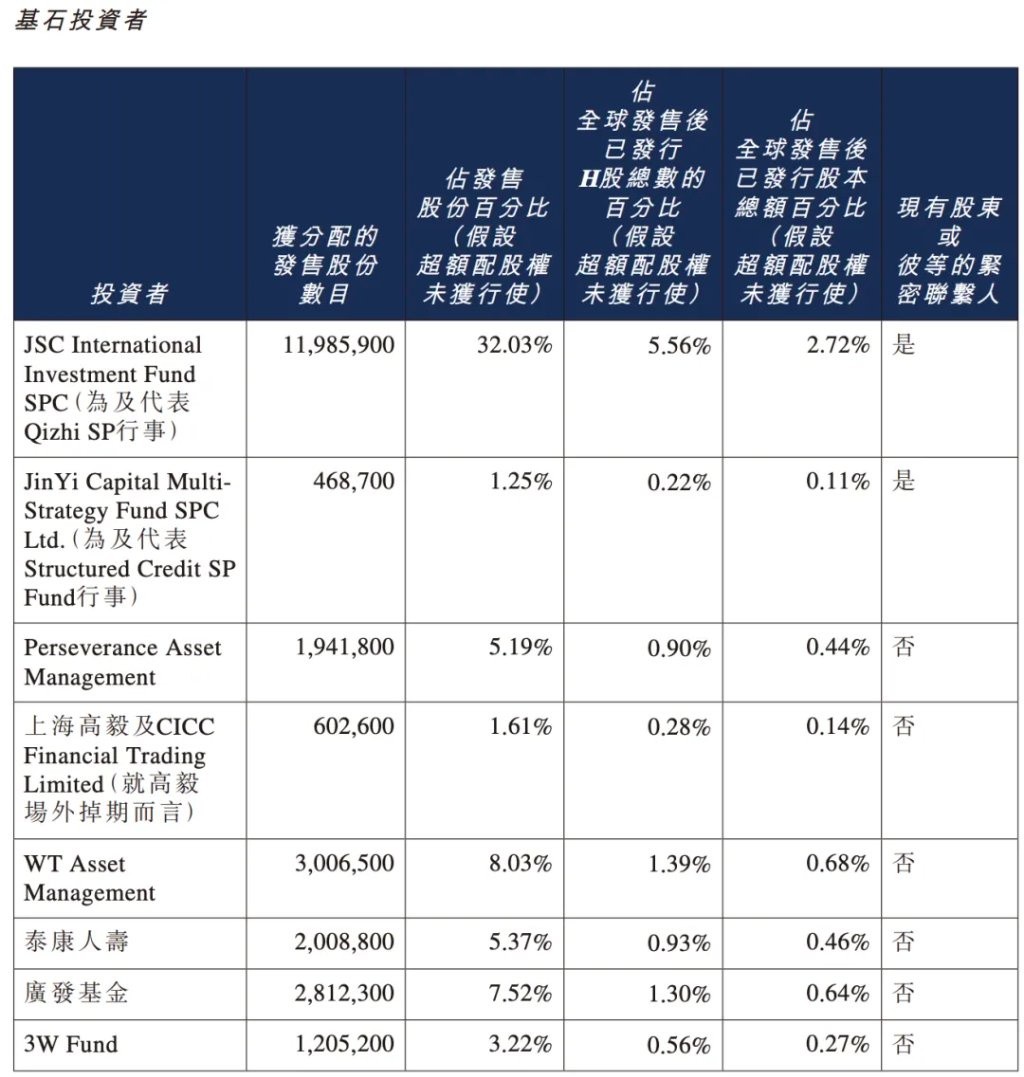
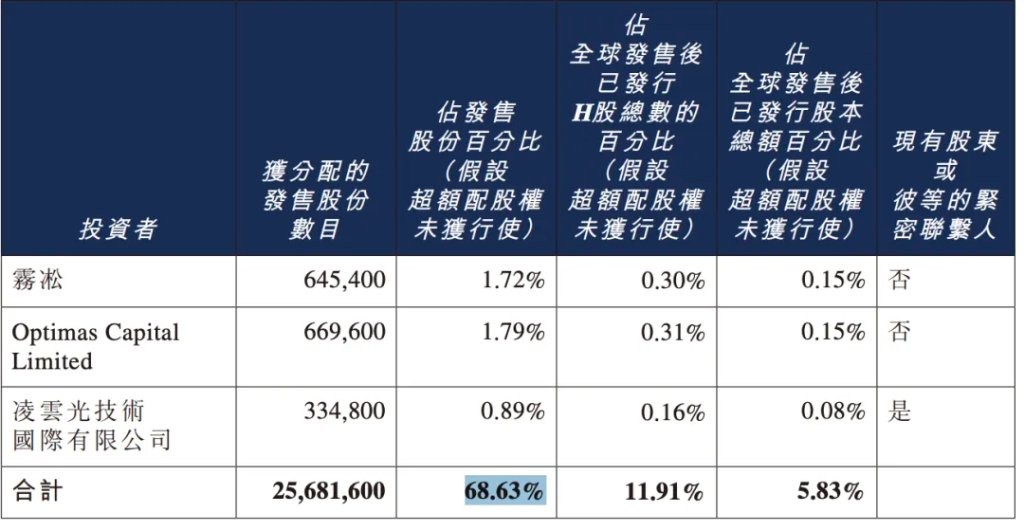
The total subscription amount of Zhipu's cornerstone investors accounts for 68.63%. Although some are funds based in Hong Kong, they all have Chinese backgrounds upon further investigation.
It is currently unknown how much of the 221 institutional subscriptions for Zhipu involve foreign capital. Tencent Finance has learned that MiniMax's institutional orders include subscriptions from sovereign funds in countries such as Europe, Singapore, the Middle East, Canada, and South Africa.
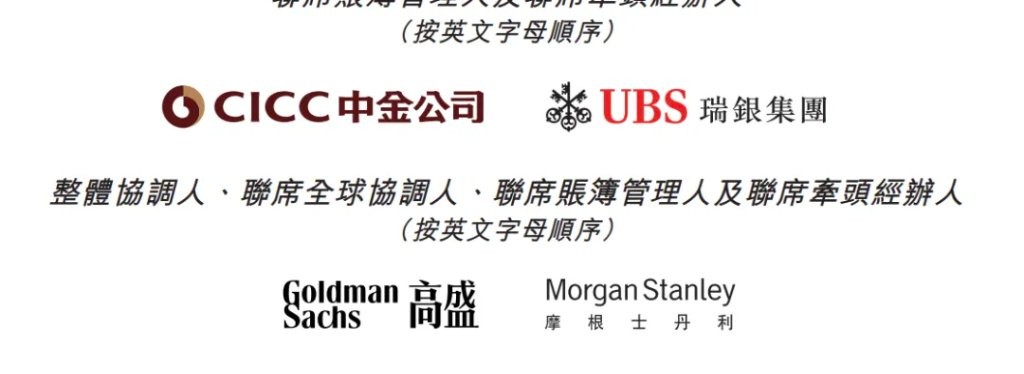
In addition to the company's own targets, this may also be related to the company's sponsor. Zhipu's exclusive sponsor is China International Capital Corporation (CICC), and many underwriters also have Chinese backgrounds
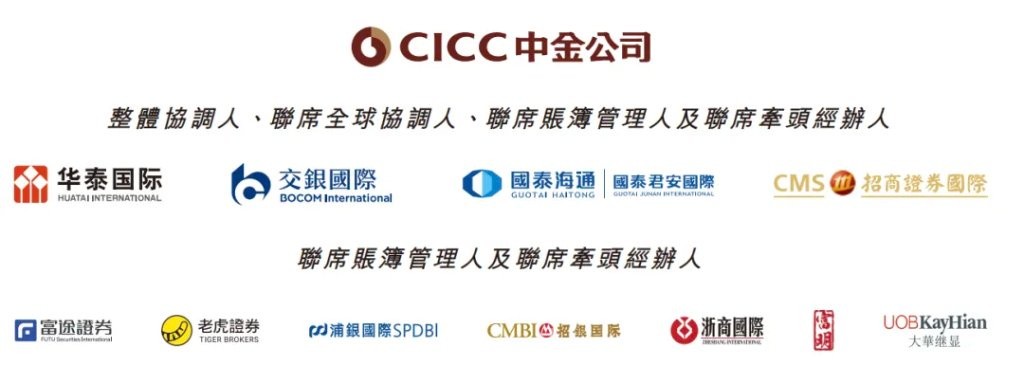
In addition to China International Capital Corporation (CICC), the other intermediary institutions for MiniMax are all leading foreign institutions, as shown in the figure below.
Of course, these will also affect the company's IPO listing costs. Public data shows that the listing cost for KNOWLEDGE ATLAS is approximately HKD 174 million, while MiniMax's listing cost exceeds HKD 221 million.
Risk Warning and Disclaimer
The market has risks, and investment requires caution. This article does not constitute personal investment advice and does not take into account the specific investment objectives, financial situation, or needs of individual users. Users should consider whether any opinions, views, or conclusions in this article are suitable for their specific circumstances. Investment based on this is at your own risk
