


At the time of the big surge, the CME took action again! The margin for precious metal contracts has changed from "fixed" to "floating"!

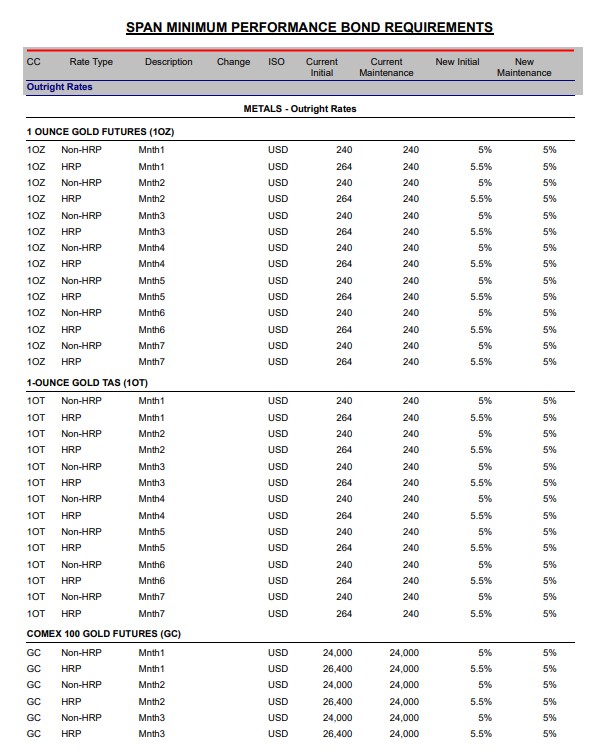
According to a notice issued by the CME on January 12, the margin setting method for gold, silver, platinum, and palladium contracts will change from a fixed amount to a calculation based on a certain percentage of the contract's nominal value. The margin ratio for some non-high-risk gold contracts will be adjusted to approximately 5% of the nominal value, while for silver it will be around 9%. This shift in mechanism means that risk exposure will directly fluctuate with the market. High prices or periods of high volatility may trigger frequent margin calls, leading to unstable capital usage, and the pressure faced by high-leverage operators will be particularly significant
Yesterday, silver and gold both reached new highs. In response to the drastic fluctuations in the precious metals market, the Chicago Mercantile Exchange (CME) is changing the rules of the game, shifting the margin collection method for precious metals from "fixed" to "floating"!
According to a notice released by CME on January 12, based on a normal review of market volatility, to ensure sufficient collateral coverage, the margin setting method for gold, silver, platinum, and palladium contracts will change from a fixed amount to a calculation based on a certain percentage of the contract's nominal value. The relevant rates will take effect after the market closes on January 13.
The margin ratio for some non-high-risk gold contracts will be adjusted to about 5% of the nominal value, while for silver it will be approximately 9%. The exchange stated that this decision is based on a normal review of market volatility and aims to ensure sufficient collateral coverage.
This move is another risk control upgrade by CME this month. The exchange has already raised the margin requirements for precious metals twice on December 12 and December 29. Domestic regulatory agencies have also taken action, with the Shanghai Futures Exchange adjusting the price limit for gold and silver futures contracts to 15% on December 26.
For traders, this mechanism shift means that risk exposure will directly fluctuate with the market. High prices or periods of high volatility may trigger frequent margin calls, leading to unstable capital usage, and the pressure on high-leverage operators is particularly significant. In the short term, this may exacerbate market liquidity tightness, forcing some traders to quickly adjust positions or close out, thereby amplifying the volatility effect.
Exchanges Intensify Risk Control Measures
CME has made multiple adjustments to margin requirements this month. On December 12, the exchange first raised the silver margin by 10%. Then, after the market closed on December 29, it again raised the performance margin for gold, silver, lithium, and other metal futures.
In a notice on December 30, CME stated that the margin for gold, silver, platinum, and palladium contracts would be raised after Wednesday's close, based on an assessment of "market volatility to ensure sufficient collateral coverage."
This change to calculate margins based on nominal value ratios has a direct and obvious impact on traders and the market. Once the prices of precious metals like gold and silver fluctuate significantly, the margin pressure on traders will simultaneously increase or decrease. From a market perspective, this means that risks are harder to ignore: during periods of sharp price fluctuations, systemic risks are naturally suppressed. This floating margin mechanism effectively places "risk exposure" directly on the participants, with operational costs and strategic flexibility fluctuating with the market.
The Metal Frenzy Raises Alerts
This round of "metal frenzy" has affected all precious metal varieties. Silver prices soared to a historic high of over $85 per ounce on Monday. On Tuesday morning, silver fell to $84/ounce. Spot gold reached $4,620/ounce on Monday, with an increase of over $300 in the first month of the new year. On Tuesday morning, gold retreated by 0.36% to $4,580/ounce. Copper prices also hit a historic high, while platinum and palladium recorded double-digit gains The market is viewing precious metals as a hedge against the "AI bubble" and currency devaluation.
Historical cases have sounded the alarm for the current market. When exchanges begin to restrict leverage, it often signifies that the party is nearing its end.
The current trend of silver is strikingly similar to the period just before the 2011 bubble burst. After the 2008 financial crisis, the Federal Reserve implemented zero interest rates and quantitative easing policies, driving silver prices from $8.50 to $50 within two years, a 500% increase. However, the Chicago Mercantile Exchange raised margin requirements five times in nine days, forcing the futures market to massively deleverage, resulting in a nearly 30% drop in silver prices within weeks, followed by a prolonged bear market.
A more famous case is the 1980 Hunt brothers' cornering incident. The three brothers hoarded over 200 million ounces of silver to hedge against inflation, using leverage to push prices from $1.50 in 1973 to nearly $50 in 1980. The CME then enacted "Silver Rule 7," which strictly limited leverage, while Federal Reserve Chairman Volcker raised interest rates to 20%. Under the dual blows of margin calls and a broken funding chain, the Hunt brothers were forced to liquidate and went bankrupt, causing silver prices to plummet to $10
