Tariffs are not the "core risk"? Morgan Stanley's Wilson: The EU's "anti-coercion" tool will be the next "invisible storm" for tech giants

Wallstreetcn
2026.01.20 12:44
portai
I'm PortAI, I can summarize articles.

Morgan Stanley warns that the core risk of the US-EU trade dispute is not tariffs, but rather the EU's potential use of "anti-coercion" tools to target American tech giants. This move will cause a more severe structural shock to their European operations than tariffs, leading to an early sell-off of tech stocks, with funds flowing into small-cap stocks and gold as a safe haven

Morgan Stanley's Chief U.S. Equity Strategist Mike Wilson warned that the geopolitical dispute between the U.S. and Europe surrounding Greenland is evolving into a potential nightmare for large American tech companies. He believes that, compared to direct tariffs, the market is currently underestimating the risk of the EU activating its "anti-coercion" tool and retaliating against the service industry, which could pose substantial obstacles for tech giants.

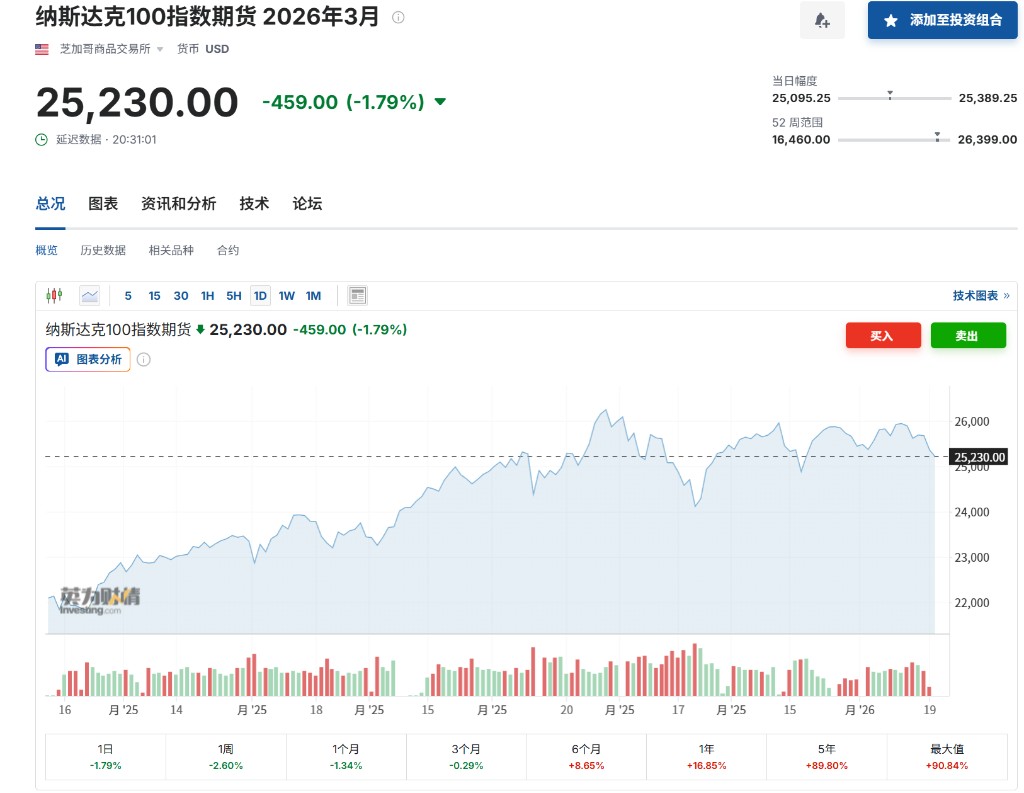
Despite U.S. Treasury Secretary Janet Yellen urging the public not to panic, market sentiment has rapidly deteriorated, with Wall Street opting for a "sell first, ask questions later" strategy. As a result, U.S. stock index futures fell across the board, with Nasdaq 100 index futures dropping by 1.81%, indicating that investors are repricing this uncertainty ahead of the tech earnings season.

Wilson pointed out that while Trump's new round of tariff threats against the EU has a "relatively limited" direct cost impact on major U.S. stock indices, the real tail risk lies in how the situation escalates. He emphasized that if the EU employs policy tools aimed at deterring economic coercion, and directs the conflict toward digital services and other areas, large American companies will face challenges more severe than those of a traditional trade war.

According to CCTV News, Trump has threatened to impose a 10% tariff on countries deploying troops to Greenland, with the measure set to take effect on February 1. Reports indicate that the EU is considering countermeasures, while the U.S. Supreme Court plans to rule on the legality of Trump's tariffs on Tuesday, with the market closely watching the impact of this series of events on global asset prices.

Risks of the EU's "Anti-Coercion" Tool

Wilson's core concern regarding the Greenland crisis is the escalation of the EU's countermeasures. He stated, the more noteworthy risk is whether the EU will activate its "anti-coercion" tool and focus on the service industry. This tool dates back to 2021 and was initially established by the EU in response to China's economic pressure on Lithuania, seen as a "trade rocket launcher."

Goldman Sachs' Chief European Economist Sven Jari Stehn pointed out that activating this mechanism does not mean immediate implementation; the process requires multiple steps, but it sends a strong signal of action and buys time for negotiations. Stehn warned that the EU may adopt broader policy tools than simple tariffs, including investment restrictions and taxes on U.S. assets and digital services. These non-tariff barriers will directly impact the operating environment of U.S. tech companies in Europe.

Tech Giants in the Crosshairs

The market is generally concerned that large tech companies will become the primary victims of this dispute.

Christopher Granville, Managing Director at TS Lombard, expressed a similar view, believing that the risk of a market crash will only become apparent when U.S.-EU tensions escalate from tariff increases to more intense confrontations. ** For example, the European Union invokes anti-coercion instruments to restrict market access for large tech companies, or Trump weaponizes liquefied natural gas exports.

This concern has been reflected in the futures market. The significant decline in Nasdaq 100 index futures ahead of the critical week when large tech companies release their earnings reflects investors' worries about the outlook for tech stocks. In contrast, Wilson believes that sectors with smaller weights, such as automobiles, transportation equipment, consumer staples, materials, and healthcare, face the greatest risks when confronted with traditional tariff threats, but tech giants face asymmetric impacts at the regulatory level.

Funds Shift to Small-Cap Stocks for Safety

Against the backdrop of headwinds facing large tech stocks, Wilson advises investors to focus on small-cap stocks.

Although Kevin Warsh is seen as a strong candidate for Federal Reserve Chair and the outlook for interest rate cuts remains uncertain, Wilson believes that fundamentals are improving, which will drive small-cap stocks to perform relatively well.

Morgan Stanley currently favors small-cap sectors including consumer discretionary, regional and mid-sized banks, shorter-cycle industrials, and biotechnology. These assets are primarily driven by the domestic U.S. economy and are relatively less affected by transatlantic trade disputes and EU regulatory tools