U.S. stocks are fluctuating due to news about Trump! Goldman Sachs: The economy has support, but don't chase the rise, look for bottom-fishing opportunities

Wallstreetcn
2026.01.22 06:32
portai
I'm PortAI, I can summarize articles.

Goldman Sachs believes that despite the tariff turmoil and the turmoil in Japanese bonds exacerbating short-term volatility, and investor positions being at historically high levels, the U.S. economy is growing strongly and the Federal Reserve is providing liquidity support, the macro outlook remains positive. The market has shifted from extreme calm to fluctuations, and the strategy suggests maintaining a "cautiously bullish" stance, focusing on buying on dips rather than chasing prices

After experiencing market turbulence triggered by news related to Trump, Tony Pasquariello, head of hedge fund coverage at Goldman Sachs, provided a clear judgment: despite increased short-term volatility and crowded investor positions, the fundamentals of the U.S. economy are improving, and the Federal Reserve is providing liquidity support, making the macro outlook "essentially favorable" for the stock market. Strategically, this year should focus on buying on dips rather than chasing prices.

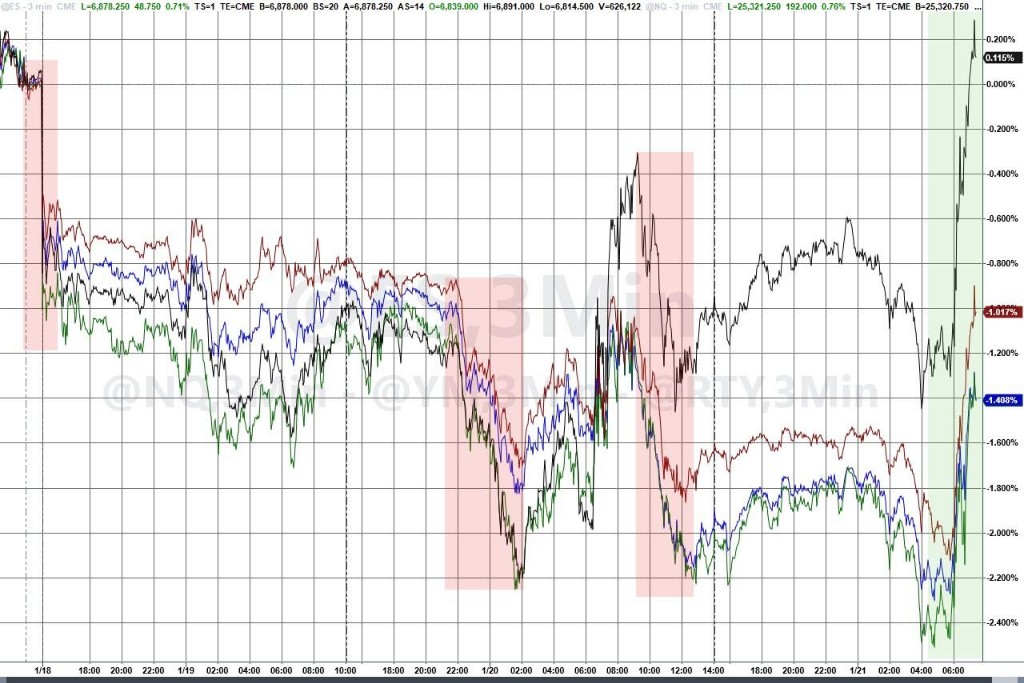
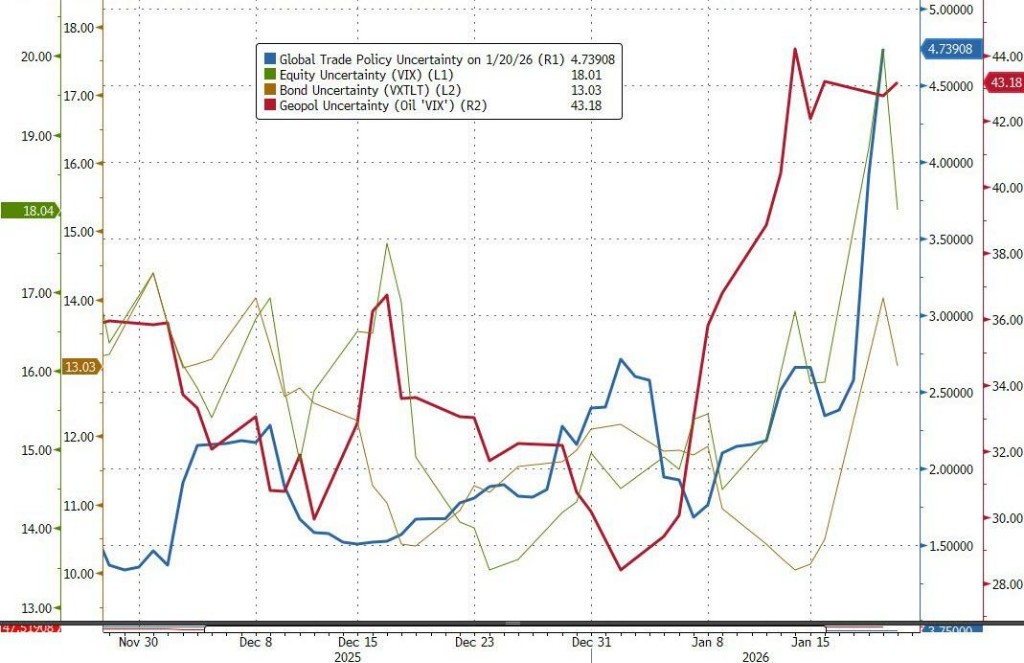
Since January, market sentiment has undergone a dramatic shift from euphoria to anxiety. Although the volatility of the S&P 500 index was only 6% at the beginning of the year, and the bond market volatility indicator MOVE index fell to multi-year lows, the market's feeling has clearly changed this week. Two major factors, repeated tariff-related news and turmoil in the Japanese government bond market, have reignited market volatility from extremely low levels.

Investor positioning issues have narrowed the space for risk management. Whether retail investors or professional institutions, whether in individual stock holdings or index futures, almost all positioning indicators have reached recent historical highs. Meanwhile, the American Association of Individual Investors (AAII) sentiment survey shows that investor optimism has reached its highest level since November 2024.

However, Pasquariello emphasized that the core logic should not be overlooked: the acceleration of U.S. economic growth and the Federal Reserve's increased liquidity supply. This combination is the key macro driver for the stock market in the medium term. He maintains a "cautiously bullish" stance, believing that while the current risk-reward ratio is tricky, entering at better price levels will still provide macro support for the stock market.

Market Shifts from Extreme Calm to Volatility

January of this year has become a typical case of rapid market changes. Before last Friday, major global asset markets were unusually stable at the beginning of the new year. The actual volatility of the S&P 500 index was only 6%, and the bond market volatility indicator MOVE index continued to decline to multi-year lows.

But the situation quickly reversed. Pasquariello pointed out that the pace of technological and geopolitical changes is "clearly shocking," with multiple forces acting at an extremely fast pace, resulting in tension and cross-impact. Financial assets have effectively become a public market referendum for debating and weighing significant issues. The market's feeling has now changed, and tail risks appear to be widening.

Two Major Risk Factors Draw Attention

Among the current risk factors, Pasquariello is more concerned about the ongoing impact of turmoil in the Japanese government bond market. He cited client observations indicating that despite various twists and turns last year, the U.S. government bond market maintained significant stability, providing ballast for risk assets. Data shows that the yield on the U.S. 10-year Treasury bond at the end of each quarter last year was: 4.21% in Q1, 4.23% in Q2, 4.15% in Q3, and 4.17% in Q4 He reminds stock traders to closely monitor the global fixed income market, and the stock risk exposure should be embedded in expectations of a steeper yield curve and higher term premiums. In addition, the "headline news roulette" surrounding tariffs has resurfaced, becoming an uncertainty that the market needs to digest.

Investor Positions at Historical Highs

The risk in the dimension of positions is worth noting. Pasquariello points out that recent trading groups—including retail and professional investors—have significantly increased their risk exposure. Almost all indicators he tracks, including individual stocks or index futures, total exposure or net exposure, are reaching the upper limits of recent historical ranges.

Multiple sentiment surveys also indicate that investors have entered an optimistic zone, with the American Association of Individual Investors sentiment index reaching its most optimistic level since November 2024. Pasquariello states that these factors alone are not "reasons to run," but they do create a situation with less room for error at a tactical level. At least in the very short term, he would not be surprised to see more risk transfer in the market.

Economic Fundamentals Provide Support

Despite multiple short-term disruptive factors, Pasquariello emphasizes that the core elements should not be overlooked: The trend of U.S. economic growth is upward, and the Federal Reserve is increasing liquidity supply. This interaction is a key macro driver for the stock market in the medium term, distinct from the daily noise and news flow.

Last week, several data points performed outstandingly. The ISM Services Index rose to 54.4, the highest in over a year; initial jobless claims fell to 198,000, a clearly healthy level; multiple housing activity indicators showed signs of stabilization. Goldman Sachs' current activity index for the U.S. has risen to levels not seen since the end of 2024.

Goldman Sachs economist Joseph Briggs holds a very positive outlook on the U.S. economic prospects. He expects that about $100 billion will flow back to the household sector through tax refunds over the next three months, supporting recent growth. Regarding policy interest rates, considering the new Federal Reserve Chair and the core PCE is expected to drop to 2.1%, rates are still likely to fall to 3%.

Strategy: Buy the Dips, Not Chase the Rallies

Pasquariello summarizes his position as "cautiously bullish," acknowledging the dilemma in this statement: when the market rises, the "cautious" part seems conservative; when the market falls, the "bullish" part seems aggressive. But he chooses to stick to this judgment.

In more formal terms: the fundamentally favorable macro outlook should support the U.S. stock market, but the risk-reward ratio remains tricky until better price levels are seen. He believes that this year's operational strategy will lean towards buying on dips rather than chasing rallies.

The contradiction facing the current market is: on one side are short-term disruptive factors such as repeated tariff news, turmoil in the global bond market, and crowded investor positions; on the other side are medium-term supportive factors such as accelerating U.S. economic growth and improving liquidity. This requires investors to remain cautious at a tactical level while maintaining confidence at a strategic level, seizing entry opportunities brought by market corrections