Is the decline of the yen hard to stop? Investment banks evaluate the Bank of Japan's decision: Hawkish signals are "not strong," all are waiting for the rate hike in April

Wallstreetcn
2026.01.23 06:37
portai
I'm PortAI, I can summarize articles.

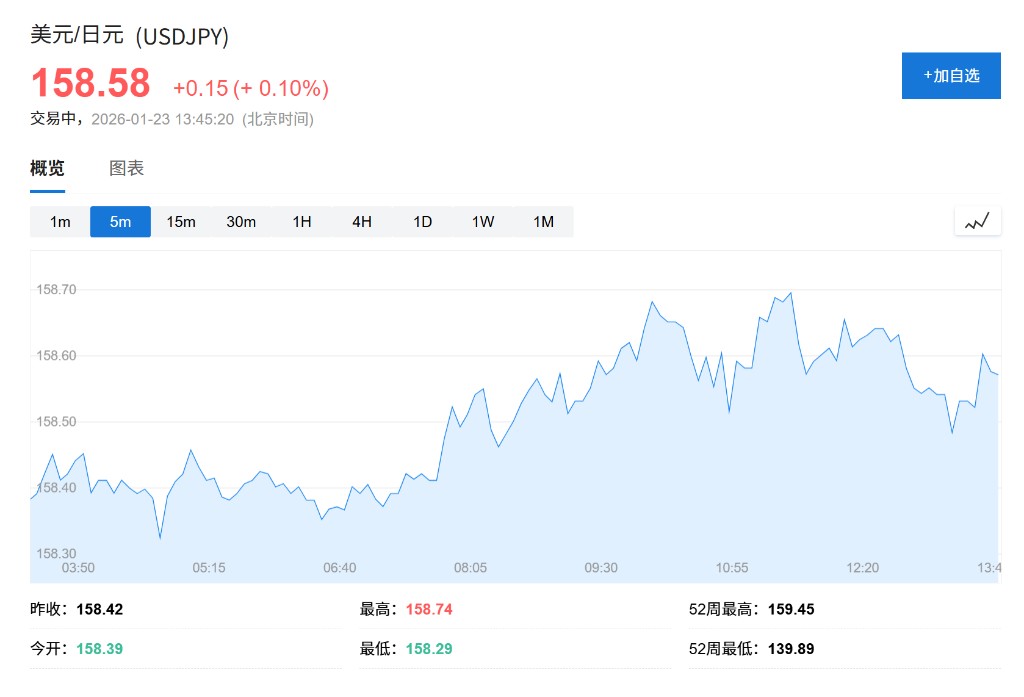
The Bank of Japan maintained its interest rates, although it raised its inflation forecast and released hawkish signals. However, due to insufficient strength, the yen fell 0.2% against the dollar to 158.74. Market expectations for an interest rate hike in April have increased, but there is a strong wait-and-see sentiment ahead of the Federal Reserve meeting. Strategists believe that the yen is under short-term pressure, and its subsequent trend will depend on the guidance of Governor Kazuo Ueda and the external policy environment

After the Bank of Japan maintained interest rates, the yen continued to decline. Strategists generally believe that the hawkish signals released by the central bank are insufficient to reverse the yen's weak trend. Market focus has shifted to the possible interest rate hike in April, but ahead of the Federal Reserve meeting, investors are cautious about the yen.

On January 23, the Bank of Japan kept the benchmark interest rate unchanged at a thirty-year high as expected. After the decision was announced, the yen fell 0.2% against the dollar to 158.74. The central bank is assessing the impact of last month's rate hike on the economy.

Several strategists pointed out that although the Bank of Japan's inflation forecasts and wording were slightly hawkish, they failed to provide a sufficiently strong signal to support the yen. Market pricing shows that investors remain cautious about the expectation of interest rate hikes within the year.

In the short term, the yen faces further weakening pressure. Strategists stated that before the results of the Federal Reserve meeting are clear, the foreign exchange market is unlikely to react decisively to the Bank of Japan's subtle shift, and market attention has turned to Governor Ueda's press conference for more clues about the April rate hike.

Decision Slightly Hawkish, Yen Still Under Pressure

The Bank of Japan's decision to maintain interest rates aligns with market expectations, but the changes in the details of the decision statement have sparked interpretations of the policy direction among strategists.

Frederic Neumann, Chief Asian Economist at HSBC, stated that the Bank of Japan's upward revision of inflation forecasts suggests a hawkish tilt in officials' positions. By raising inflation expectations, monetary policy officials express greater confidence in the price outlook, which in turn should strengthen the rationale for further rate hikes. He noted that the Japanese bond market and exchange rates would benefit from stronger monetary policy anchoring, and the Bank of Japan's hawkish tilt would greatly help curb volatility.

Yujiro Goto, a foreign exchange strategist at Nomura Securities, believes that the communication style of the Bank of Japan's monetary policy meeting aims to convey awareness of the April rate hike. Before this meeting, the market had fully digested the expectations for a rate hike before July. Although the decision showed hawkishness, the pressure for yen depreciation is still brewing ahead of the press conference.

Shogo Karitani, a strategist at Minato Bank, pointed out that the statement added that exchange rate fluctuations are increasingly likely to affect prices and may influence potential inflation trends. While the market hoped to see stronger wording regarding the yen's weakness, this did not materialize, keeping the depreciation pressure unchanged.

Inflation Forecast Upgraded, Trade Uncertainty Wording Removed

The Bank of Japan's judgment on the economic outlook is more optimistic than before, which is a key basis for strategists to deem the decision hawkish.

Eugenia Fabon Victorino, Head of Asian Strategy at SEB, stated that the economic forecast is more optimistic than that presented in October last year. The Bank of Japan also removed the wording about "high uncertainty due to trade impacts." This reinforces the institution's judgment that the Bank of Japan will continue to tighten policies through 2026. However, she expects the next rate hike to occur in July Victorino also reminded that historically, Ueda and his team have failed to provide sufficiently hawkish guidance to satisfy the market. As long as fiscal concerns dominate, it is unlikely that Ueda and his team will be able to prevent the accumulation of dollar buying against the yen.

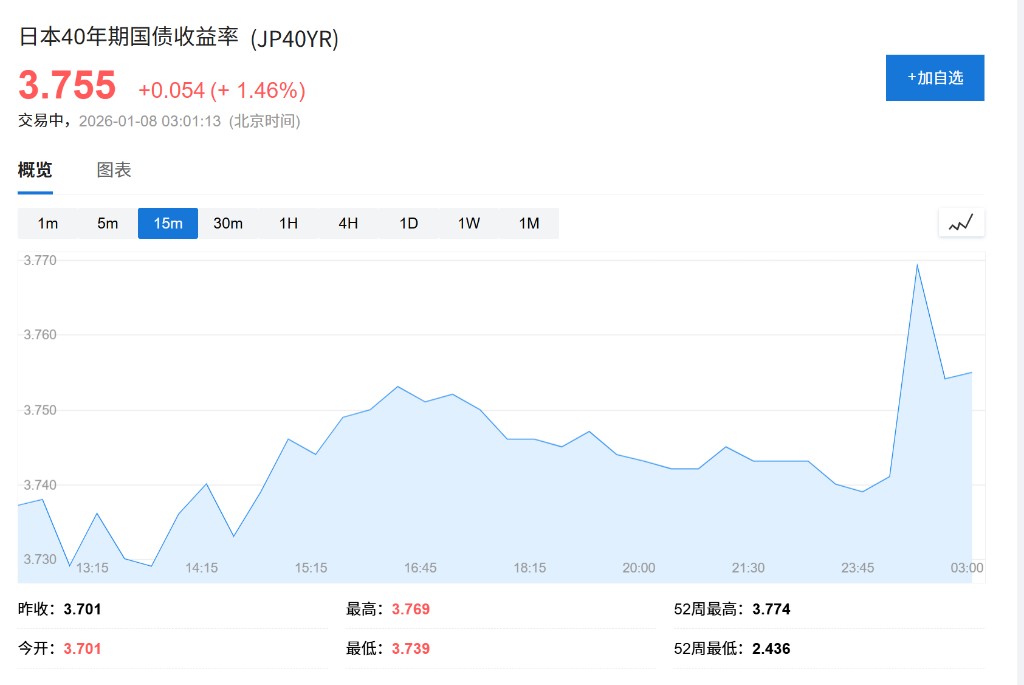
Naomi Muguruma, chief bond strategist at Mitsubishi UFJ Morgan Stanley Securities, pointed out that the market expects a rate hike in April, as board member Takada advocates for raising interest rates, and the assessment of underlying inflation is strengthening. Long-term interest rates will continue to fluctuate.

Mamoru Shimode, chief strategist at Resona Asset Management, stated that the relatively strong outlook for inflation and wages has led to a slightly hawkish tone. Considering the rise in 2-year bond yields, the market has begun to subtly anticipate a rate hike in April. Ueda and his team's press conference may make statements that lay the groundwork for an April rate hike.

April or July? Market Discrepancies Exist

Although most strategists believe the decision will be hawkish, there is a clear divergence in judgment regarding the timing of the next rate hike.

Goto from Nomura Securities clearly pointed out that the Bank of Japan's communication aims to imply the possibility of a rate hike in April, and the market has fully digested the expectations for a rate hike before July ahead of the meeting.

However, SEB's Victorino holds a different view, expecting the next rate hike to occur in July. She stated that she will closely watch the press conference later that evening to see if Ueda and his team will hint at a faster tightening pace this year.

Hiromi Ishihara, head of equity investment at Amundi Japan, analyzed from the perspective of market pricing that the market actually believes current interest rates may be too low relative to the existing inflation level. In the short term, the yen is expected to weaken further, but it is also anticipated that the government may intervene in some way. Therefore, a disorderly sell-off of the yen is not expected, but a short-term appreciation of the yen is also not anticipated.

Federal Reserve Meeting as a Key Variable

Strategists emphasize that the foreign exchange market is unlikely to react decisively to the Bank of Japan's subtle signals until the results of the Federal Reserve meeting are clear.

Shimode pointed out that while the Japanese government bond market can more easily digest the Bank of Japan's slightly hawkish communication, the foreign exchange market faces uncertainty ahead of the Federal Reserve meeting. If the Federal Reserve sends a hawkish signal, the yen may face selling pressure, making it difficult for investors to take decisive action now. The bond market may be more sensitive today regarding Ueda and his team's press conference.

He also mentioned that the stock market faces the significant event of elections, and the corporate earnings season has already begun. Therefore, even if the Bank of Japan's hawkish tone causes some negative impacts, investors are unlikely to view the situation too pessimistically.

Neumann from HSBC emphasized that all eyes are now on the press conference, and investors may be looking for hawkish signals. The Japanese bond market and exchange rates will benefit from a stronger monetary policy anchor.

Muguruma from Mitsubishi UFJ Morgan Stanley stated that influenced by expectations of a rate hike in April, long-term interest rates will continue to fluctuate, and the market will remain highly attentive to the Bank of Japan's policy direction