


Signals of a "crash-like" correction in tech stocks: The era of rising risk assets has come to an end, and losers will be ruthlessly abandoned!

A "tech stock disaster" driven by disruptive breakthroughs in AI is triggering a reset of global risk appetite. This structural adjustment has not only led to a sharp decline in high-risk assets like Bitcoin but has also shaken the investment paradigm of "American exceptionalism." The market is beginning to rigorously distinguish between winners and losers based on the actual disruptive capabilities of AI technology
Global risk assets are undergoing a severe adjustment, with Goldman Sachs analysts characterizing the current market situation as a "tech stock disaster." This adjustment is not due to the bursting of the AI bubble, but rather the "overly successful" disruptive impact of AI technology on traditional software and data service companies.
In this structural adjustment, Bitcoin has seen the most significant pullback, with its price once halving from its historical high, having plummeted over 20% this year. Meanwhile, the U.S. tech sector is under significant pressure: the S&P 500 index has fallen nearly 3% from its previous high, while the tech-heavy Nasdaq Composite index has dropped by 6%.
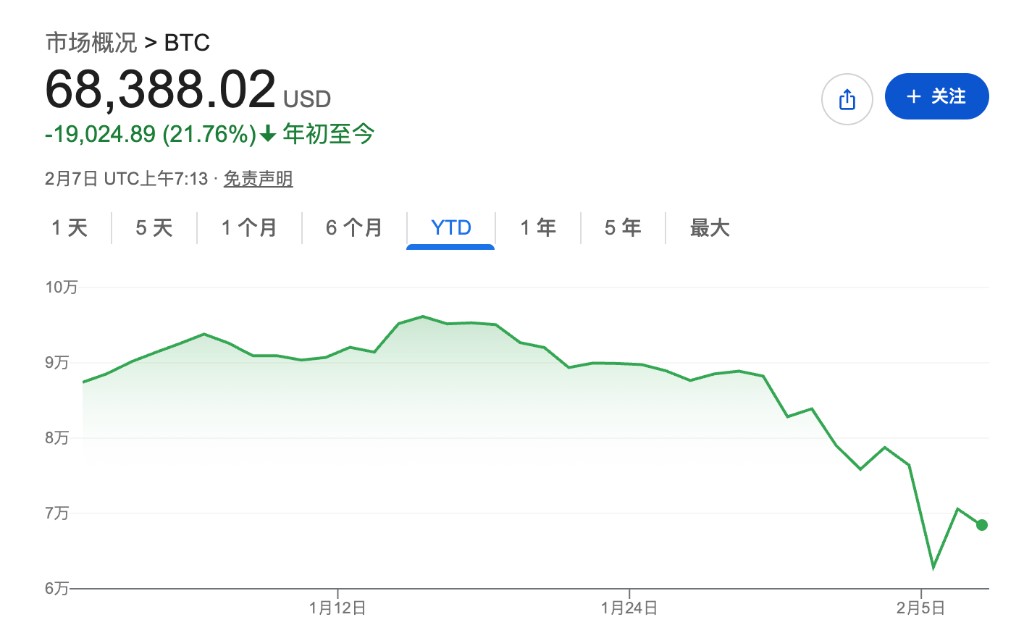
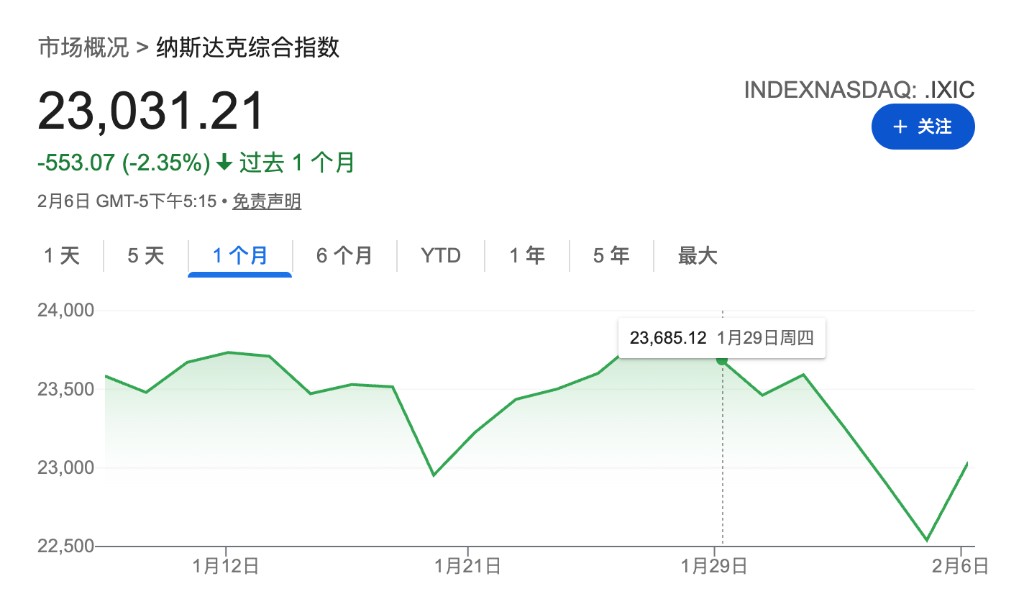
This round of adjustment marks the end of several years of a broad rally in risk assets, with the market undergoing a brutal process of survival of the fittest based on the actual benefits of AI technological advancements. Investors must face the arrival of a new era: against the backdrop of AI's disruptive power becoming fully apparent, companies that fail to adapt to technological changes will be ruthlessly abandoned by the market.
AI Technological Advancements Trigger Industry Restructuring
The core root of market turbulence lies in the disruptive effectiveness of artificial intelligence technology exceeding expectations, prompting investors to reassess the impact of AI on the existing industrial landscape.
Recently, the productivity tools launched by AI company Anthropic have intensified market concerns, as their technological path suggests a potential survival threat to many traditional companies that rely heavily on analytical capabilities and software business. Goldman Sachs analyst Bell pointed out that sectors such as software, data services, financial information, and gaming have faced massive sell-offs as a result. This year, the U.S. software sector has plummeted by 16%, while the Europe Stoxx 600 index, dominated by traditional industries (such as commodities and utilities), has risen by 4%. 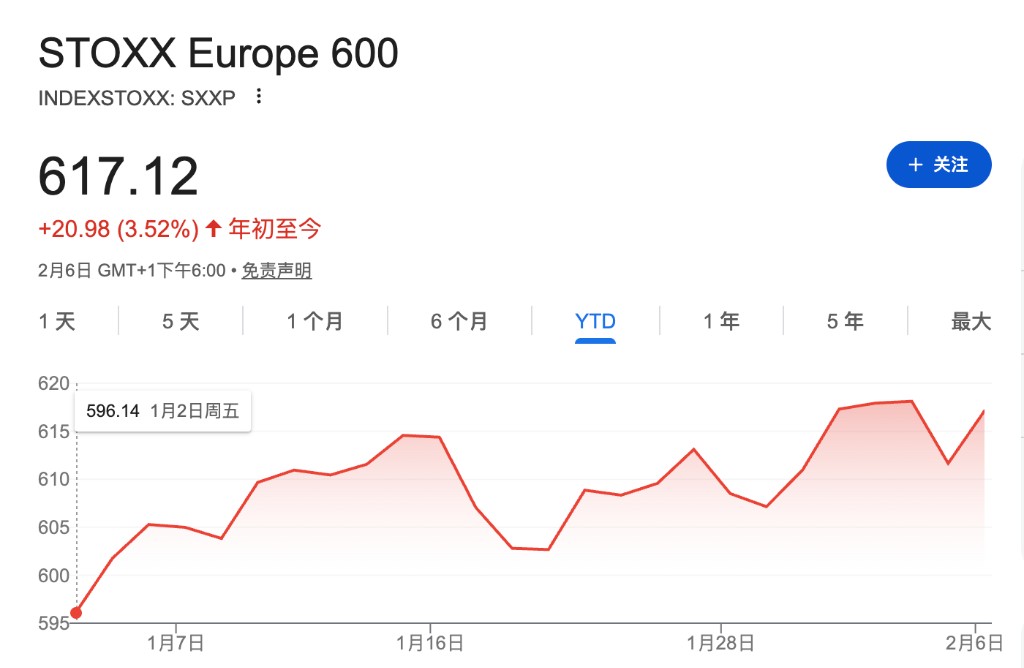
Deutsche Bank analyst Jim Reid believes that the market has shifted from the "frenzy phase" of broad tech stock rallies to a brutal "structural differentiation," with the tech industry undergoing a "self-consuming" process of survival of the fittest. This round of adjustment signifies that the market is beginning to rigorously identify winners and losers based on the actual disruptive capabilities of AI technology.
Challenges to the American Exceptionalism Model
The structural adjustment in the tech stock market is posing substantial challenges to the "American exceptionalism" investment paradigm that has long dominated global capital allocation. The lack of continuity in geopolitical and economic policies under the Trump administration has significantly weakened international investors' certainty in viewing U.S. assets as their core allocation. Unlike other recent pullbacks, the core driving force behind this round of adjustment comes from the industrial disruption triggered by AI technology itself, which has exceeded the scope of administrative intervention. Although the United States currently has potential interest rate cut support from the Federal Reserve and may introduce fiscal stimulus in the form of tax rebates, the market is still experiencing a deep adjustment, highlighting its intrinsic structural characteristics.
In fact, several large asset management institutions have long warned that market leadership will gradually shift from AI technology producers (such as chip manufacturers and cloud giants) to end application companies that can truly leverage AI to enhance productivity. This week's market trends indicate that the speed of this rotation process is faster than most predictions.
Cryptocurrency Bubble Faces Liquidation
The sharp decline in Bitcoin once again reveals the fundamental driving factors behind its price volatility: the overall risk appetite of the market, particularly the performance of tech stocks. The long-standing narrative about its anti-inflation, safe-haven properties, or alternative currency system appears weak in the face of reality.
The liquidity easing over the past two years has supported various speculative assets, including cryptocurrencies. A typical case is the Bitcoin-holding company Strategy, which recently disclosed a quarterly operating loss of up to $17 billion, with its stock price down about 80% from the peak after Trump's re-election. This company, which was once close to being included in the S&P 500 index, now faces severe challenges.
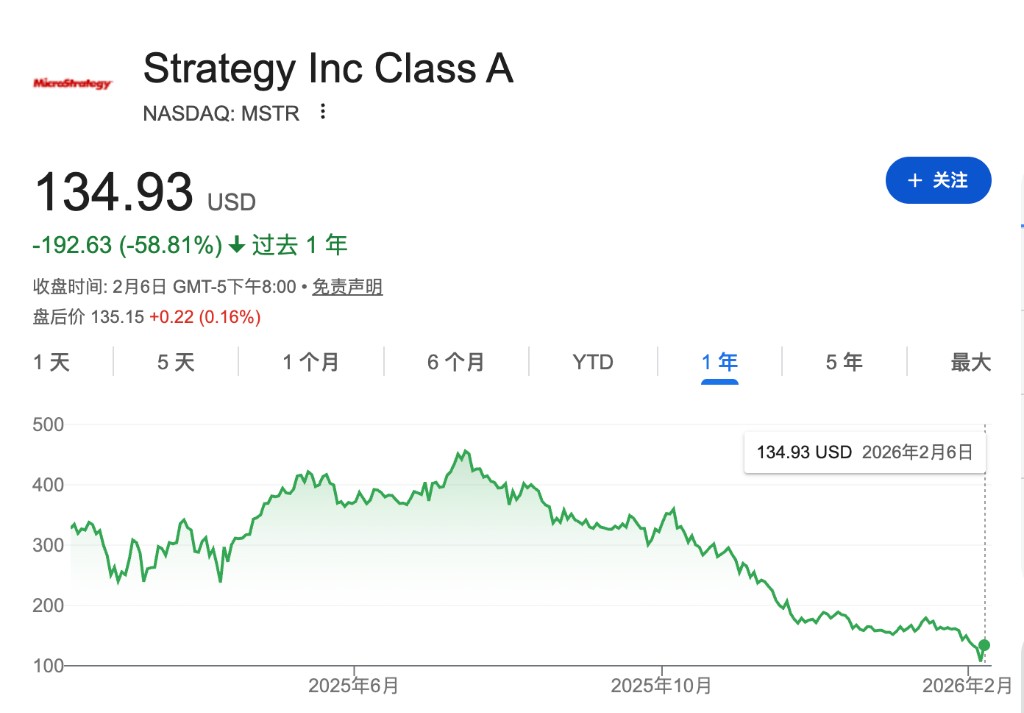
For investors heavily invested in Bitcoin, this decline is undoubtedly brutal. However, market warning signals have always existed, and participants' decisions are essentially a conscious risk-taking. The current market awakening triggered by the "tech stock disaster" may prompt a reallocation of funds that have long been stagnant in non-productive areas
