


Nomura: The Liberal Democratic Party's landslide victory intensifies short-term weakening pressure on the yen, with the intervention red line still at the 160 level

Kishida Fumio's election victory raises concerns for the yen again? Nomura Securities warns: Although Kishida Fumio's post-election statements have become more moderate, the market may restart "Kishida trading," leading to further selling of the yen. If the USD/JPY approaches the 160 mark, the risk of intervention by the Japanese Ministry of Finance will soar. Investors need to be vigilant about the personnel changes at the Bank of Japan in March and the implicit pressure from the Japan-U.S. summit, seeking a balance between political maneuvering and intervention red lines
Kishida's overwhelming election victory, although his post-election statements have become more moderate, may lead the market to restart "Kishida trading," further selling off the yen. Once the USD/JPY approaches the 160 mark, the risk of intervention by the Japanese Ministry of Finance will soar.
Today, the USD/JPY briefly rose to 157.65 before quickly retreating, currently reported at 156.5.
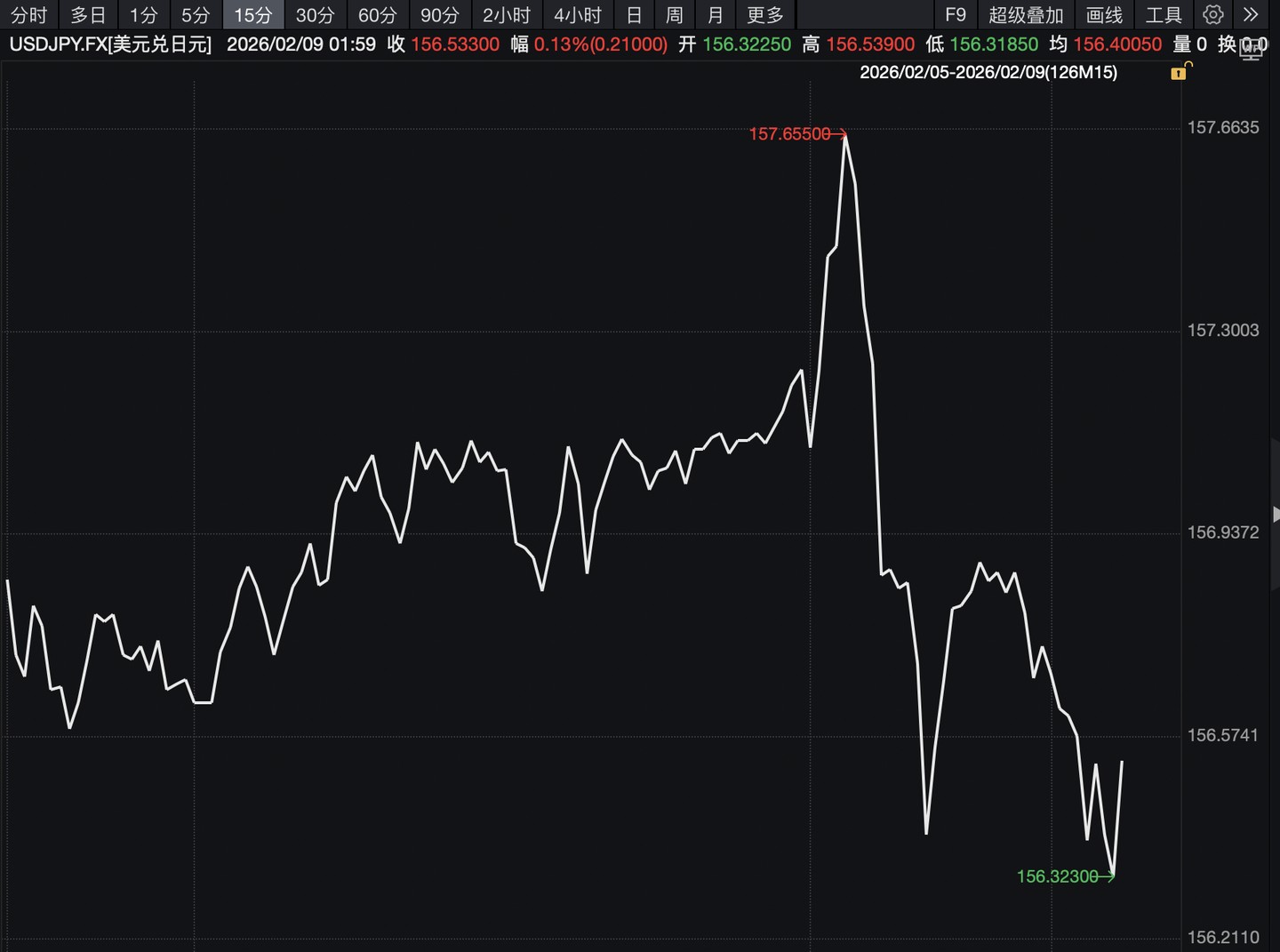
According to the Chase Wind Trading Desk, Nomura's global foreign exchange strategy team released a research report on February 9, focusing on the overwhelming victory of the Liberal Democratic Party (LDP) in the House of Representatives election and its impact on the yen's movement.
Victory Brings Policy Flexibility, but Fiscal Stance Becomes More Moderate
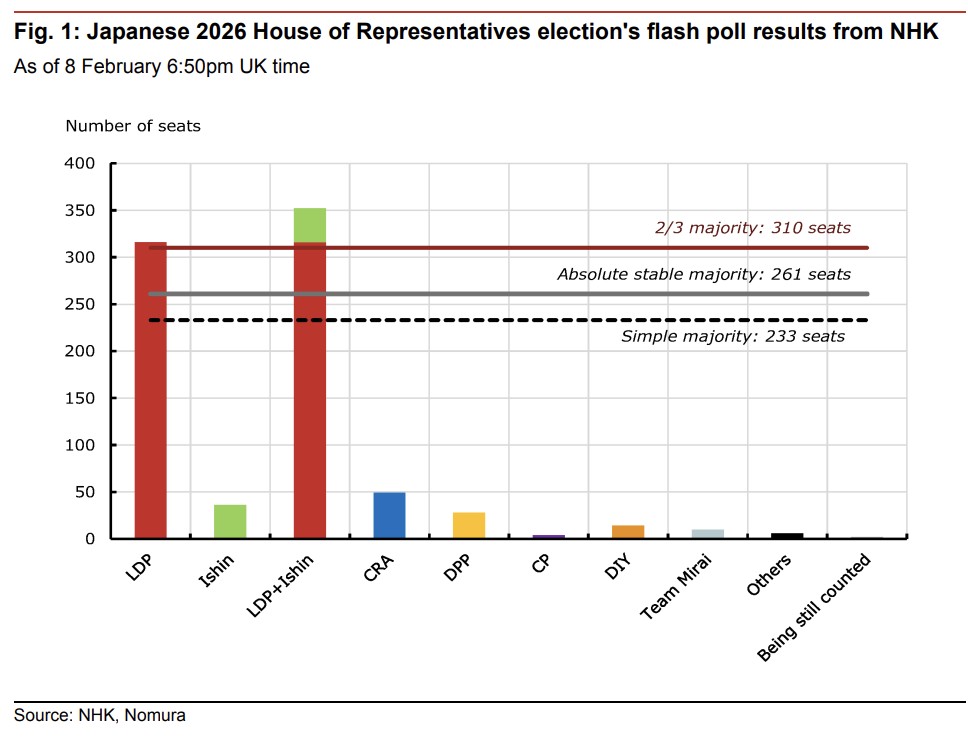
In the House of Representatives election on February 8, the LDP secured over 310 seats alone, gaining a two-thirds majority, which empowers Kishida's government to overturn the Senate's veto power.
However, Kishida's post-election statements unexpectedly leaned towards conservatism. Nomura pointed out that Kishida emphasized "responsible" rather than "proactive" fiscal policy in a television interview, being vague about the commitment to reduce the food consumption tax, only stating that discussions in the "National Conference" would be accelerated without providing a clear timetable.
The report noted:
"Kishida stated that the government needs to clearly explain the meaning of 'responsible' to help the public correctly understand her fiscal policy, and emphasized the importance of the sustainability of Japan's fiscal outlook."
"Kishida Trading" May Resurface, 160 Becomes Intervention Alert Line
Despite Kishida's cautious attitude, Nomura believes the market may still restart "Kishida trading"—that is, further selling off the yen. The report clearly stated:
"The LDP's overwhelming victory may strengthen the recent downward pressure on the yen, but if the USD/JPY approaches the 160 level, the Ministry of Finance will be more vigilant and may actually intervene."
Finance Minister Katayama has stated that "the stable fluctuation of USD/JPY is a shared responsibility of the finance ministers of Japan and the U.S.," and maintains close contact with the U.S. side. The 160 mark has clearly become the upper limit of tolerance for the authorities.
BOJ Personnel Becomes an Implicit Pressure Channel
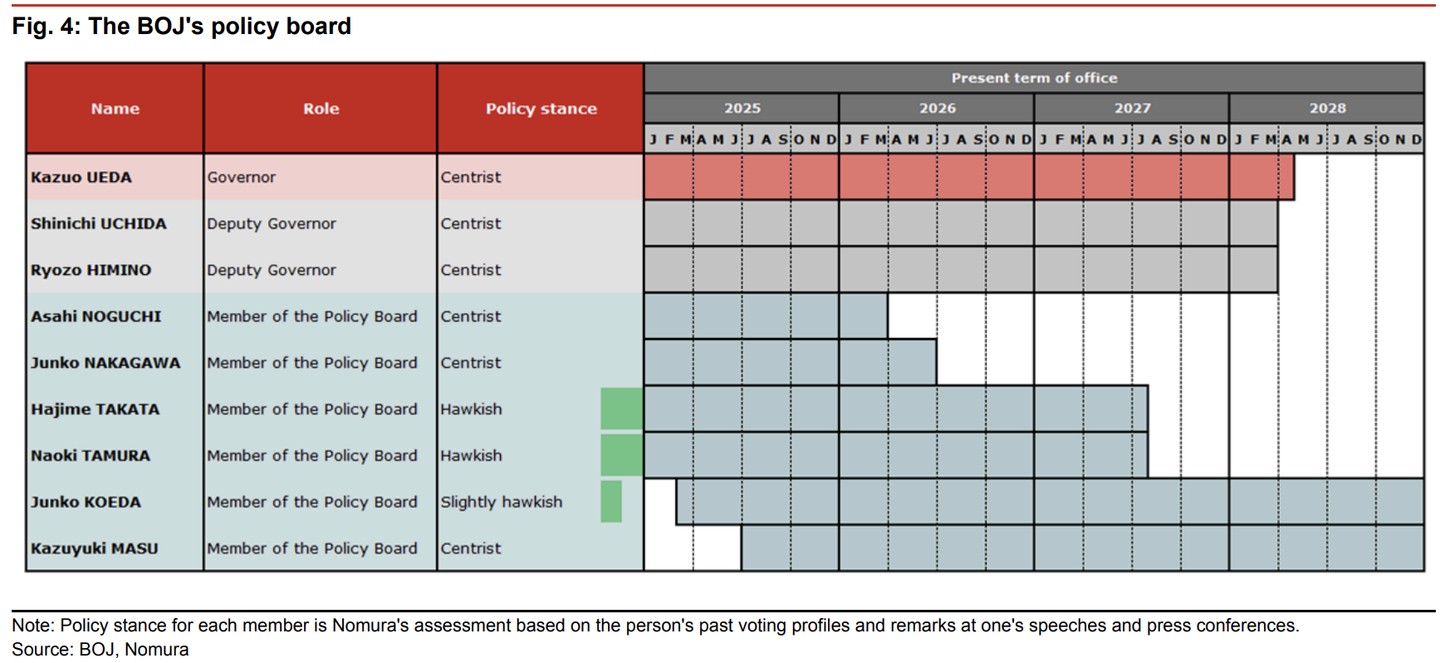
Nomura expects Kishida will not publicly pressure the Bank of Japan (BOJ) on monetary policy, but the nominations for two policy committee members in March and June will become key observation windows. If the new appointees are more dovish than the current Noguchi and Nakagawa, the market may interpret this as implicit pressure from the government on the BOJ, further suppressing the yen.
 The report also mentioned that Gao Shi will visit the United States on March 19 to hold a summit with Trump, and the first batch of projects under the Japan-U.S. $550 billion investment plan is expected to be announced beforehand.
However, Nomura believes that these projects will mainly be financed through yen-dollar swaps or foreign currency bonds, which will have limited impact on the spot foreign exchange market. Investors need to find a balance between short-term political games and long-term intervention red lines
