From interest rate cuts to hikes! The bond market has undergone a historic shift in expectations regarding the Federal Reserve's policy path

Wallstreetcn
2026.03.19 13:39

Due to the unexpected "hawkish" stance of the Bank of England, the sell-off of UK government bonds has driven up US Treasury yields; combined with the unexpected decline in initial jobless claims announced tonight, this further undermines the basis for the Federal Reserve to maintain an accommodative stance. The expectations for a Fed rate cut have been completely erased, and the market narrative has quickly reversed from "when to cut rates" to "whether to raise rates."

The global bond market is undergoing a profound reconfiguration of expectations. Following the hawkish shift of the Bank of England, traders have completely priced out the possibility of a Federal Reserve rate cut in 2026, with some investors even beginning to hedge against the scenario of rate hikes in the coming months.

The Bank of England's Monetary Policy Committee unanimously voted on Thursday to maintain interest rates, while warning that it is "ready to act at any time" to address the inflationary risks arising from the Middle East conflict.

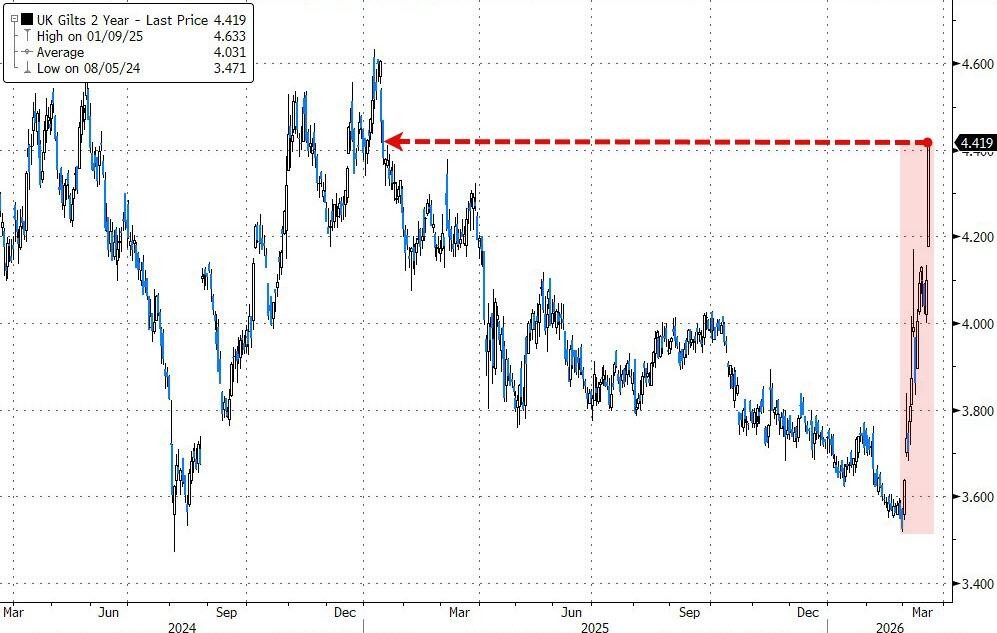
This wording triggered a chain reaction—UK government bonds were sold off, with the two-year UK bond yield soaring over 35 basis points in a single day to 4.46%, leading to a decline in the European bond market and transmitting pressure to the US Treasury market. The two-year US Treasury yield subsequently rose by 11 basis points to 3.89%.

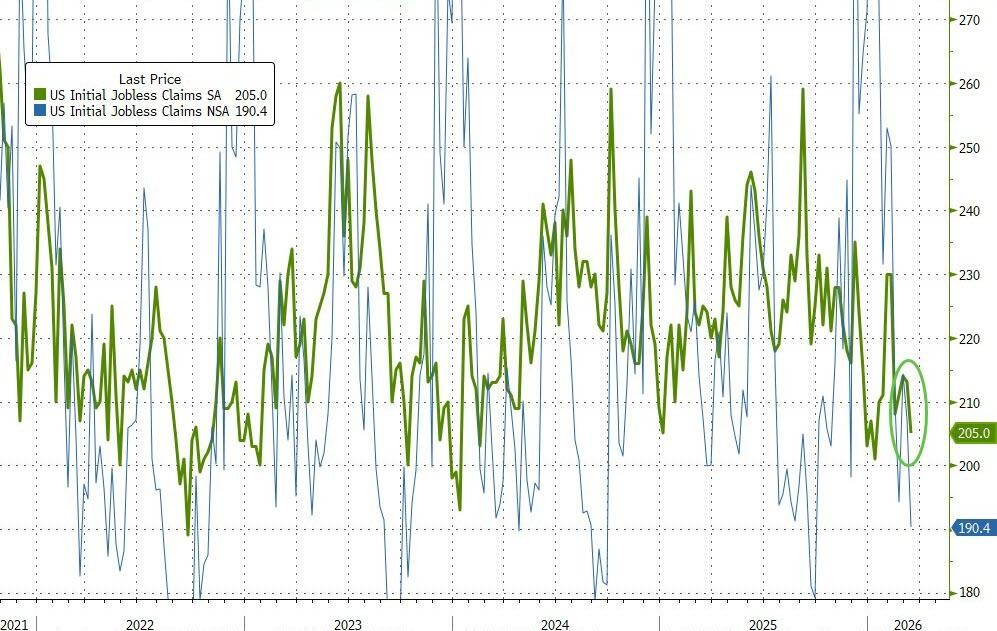
Meanwhile, the number of initial jobless claims in the US unexpectedly decreased, further undermining the basis for the Federal Reserve to maintain an accommodative stance. The swap market has completely withdrawn its expectations for Fed easing this year, and trading volume in US Treasury futures has significantly increased alongside rising yields.

The Bank of England's hawkish shift triggers a repricing in the global bond market

Less than three weeks ago, the market widely expected the Bank of England to announce a rate cut at this meeting, as the UK labor market was continuing to weaken. However, the situation took a sharp turn. Brent crude oil surged above $118 per barrel on Thursday, and as an energy-import-dependent economy, Europe and the UK are particularly exposed to inflationary pressures from imports.

Bank of England Governor Andrew Bailey explicitly stated in a statement that monetary policy must "respond to the risk of a more persistent impact on UK CPI inflation." The swap market has currently priced in three rate hikes by the Bank of England this year, each by 25 basis points, with the first action expected as early as next month.

Seema Shah, Chief Global Strategist at Principal Asset Management, stated, "The Monetary Policy Committee was forced to make a rapid turnaround. Even the most dovish member of the committee, Swati Dhingra, voted to maintain the current stance, which underscores the central bank's heightened vigilance regarding inflation issues."

Luigi Buttiglione, CEO and Founder of LB Macro SA, pointed out, "The market was clearly too complacent, still fantasizing about a central bank that focuses more on output than inflation. But for an inflation-targeting institution like the Bank of England, this does not align with its operational DNA when facing supply shocks."

Hedging positions against Fed rate hikes emerge, policy path expectations tighten abruptly

Federal Reserve Chairman Jerome Powell stated on Wednesday after the rate decision that further reductions in borrowing costs will depend on inflation trends, with the wording clearly leaning towards caution.

Tom di Galoma, Managing Director at Mischler Financial Group, remarked, "Everything is driven by the Bank of England's rate decisions; the market is currently pricing in a 50 basis point rate hike in 2026." The European bond market is in free fall, which in turn has pushed up U.S. Treasury yields."

He also pointed out that the current market liquidity pattern is characterized by "almost no buying interest, with selling dominating everything," and market sentiment is constrained by expectations of the continuation of the conflict. "The mainstream judgment at present is that the Iran war may last for months rather than weeks."

The latest weekly initial jobless claims released by the U.S. Department of Labor unexpectedly declined, further providing momentum for the bond market sell-off. Strong labor market data indicates that the U.S. economy may no longer need low interest rates to support employment, and the swap market subsequently priced out any form of easing by the Federal Reserve for the remainder of the year.

The characteristics of this round of global bond market adjustment: Middle Eastern conflicts have pushed up energy prices, which in turn reinforce inflation expectations, forcing central banks to tighten their stance, leading to a systematic repricing of interest rate-sensitive assets. In just a few weeks, the market narrative has shifted from "when to cut rates" to "whether to raise rates," and the speed and magnitude of this change have exceeded previous expectations