The Worst Day of the Year for US Stocks Has Arrived!
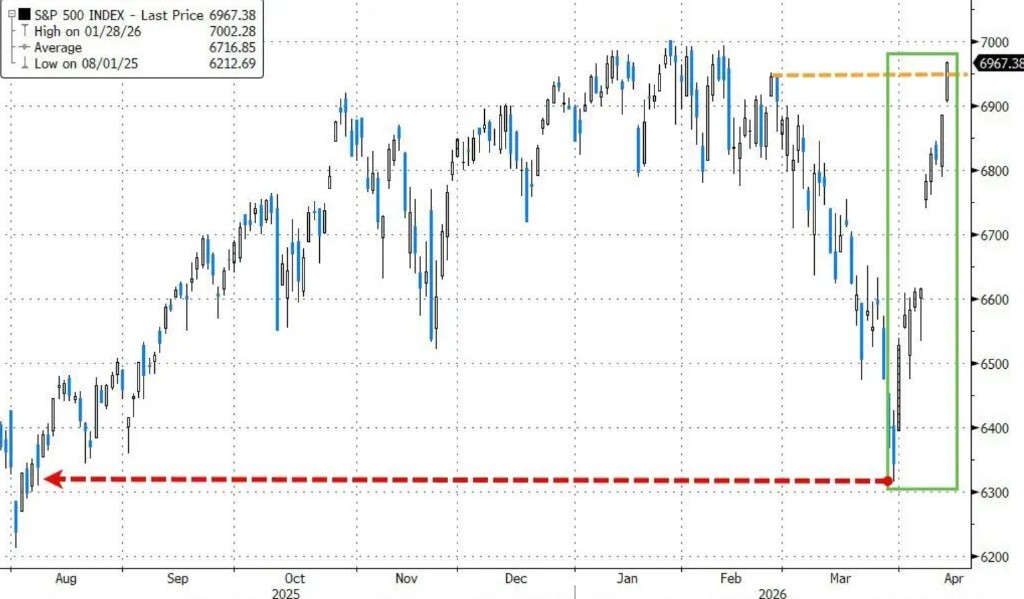
As US stocks staged a strong rebound this week, the April 15 tax filing deadline approaches. Historical data shows this date is typically the worst-performing trading day of the year for the S&P 500. Investors are forced to liquidate assets before the deadline to pay taxes, increasing selling pressure on the market. Although the Federal Reserve conducts liquidity management, historical data indicates these measures are insufficient to prevent stock market declines. Investors should remain vigilant as downside pressure persists in the short term
Amid a strong rebound in US stocks this week, a historical pattern is quietly approaching—April 15, the US tax filing deadline, is seasonally the worst-performing trading day of the year for the S&P 500.
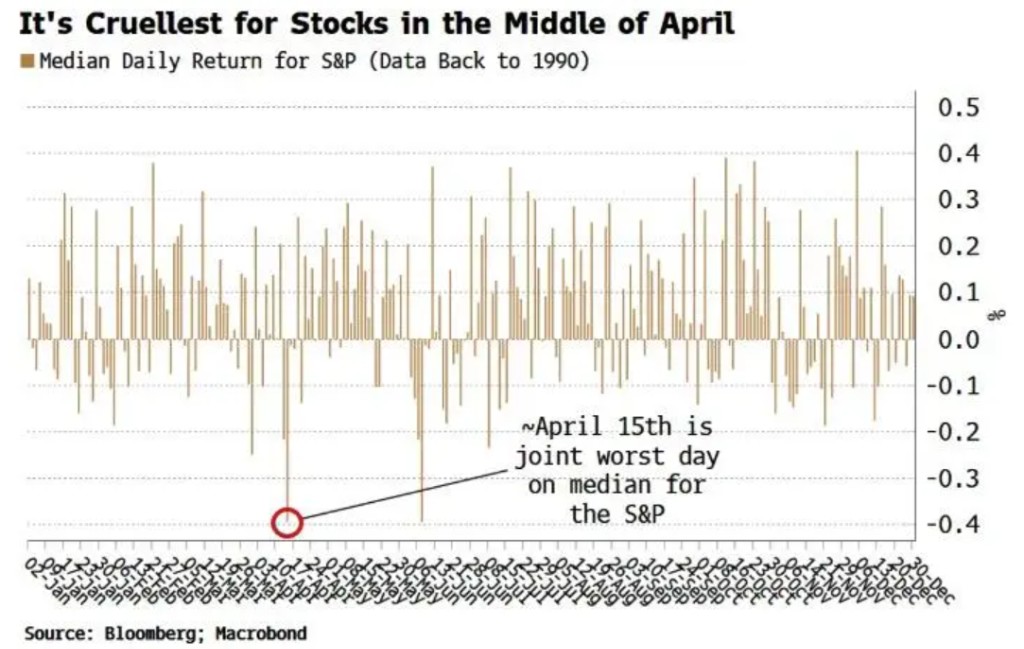
According to historical data, since 1990, the median daily return around April 15 has been the lowest among all trading days. The market widely believes this is closely linked to investors being forced to liquidate assets before the deadline to pay taxes. Although the Federal Reserve actively manages market liquidity around the tax deadline, historical data shows that this liquidity injection, on average, remains insufficient to prevent stock market declines.
Market sentiment this week has generally leaned optimistic. The overnight closing price of the S&P 500 is significantly higher than levels prior to the escalation of recent geopolitical tensions, suggesting investors are trying to put recent risk events behind them. However, seasonal patterns indicate continued downward pressure in the short term, requiring investors to remain vigilant.

Tax Deadline Drags Down Stocks: Clear Historical Pattern
Looking back at data since 1990, the two dates with the worst performance for the S&P 500, measured by median returns across all trading days, are April 15 and June 7.

The negative effect on April 15 has a relatively direct explanation: it is the annual individual income tax filing deadline in the United States. A large number of investors must liquidate holdings before the deadline to raise funds for taxes, creating concentrated selling pressure.
The pattern on June 7 is more puzzling. Although there is a less significant tax node in mid-June, there is currently no clear explanation for why selling pressure appears ahead of that date.
It is worth noting that the above dates are not fixed trading days; if they fall on non-trading days, they are postponed. Therefore, the actual impact dates may shift slightly.
Fed Intervenes to Manage Liquidity, Effectiveness Limited
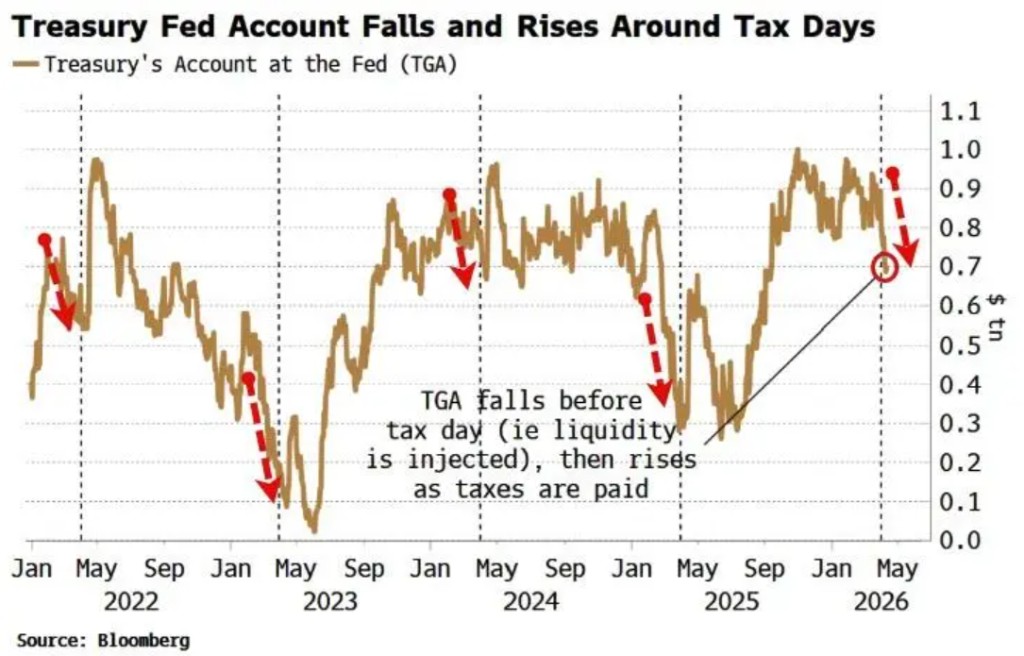
Around the tax deadline, the Federal Reserve actively conducts liquidity management. Typically, before the April deadline, the Treasury's account balance at the Fed decreases, meaning liquidity is injected into the market; after the deadline, as taxes are paid into government accounts, the balance rises accordingly.

However, historical seasonal data suggests that this preventive liquidity injection, on average, remains insufficient to offset the downward pressure on the stock market. In other words, even with the Fed's buffering operations, stock market weakness around the tax deadline remains a statistically significant pattern.
Short-Term Risks Coexist with Rebound Potential
Beyond seasonal patterns, the current market faces a more complex battle between bulls and bears.
From a bearish perspective, even if history repeats itself this year, the impact may be limited to the short term. Historical data also shows that after April 15, the S&P 500 averages positive returns for the remainder of April, meaning seasonal pressure is relatively limited.
However, May is historically one of the months with the lowest average annual returns. The market adage "Sell in May" could partially create a self-fulfilling effect.
From a bullish perspective, pessimistic sentiment among both retail and institutional investors is currently at a high level. This consensus bearishness itself could become a catalyst for a rebound—short covering or repositioning of risk exposure could potentially push stocks higher over the coming weeks. This week's rebound may well be the beginning of this process.
Seasonal patterns are ultimately just reference points that need to be adjusted based on the current market environment. For investors, maintaining caution around the tax deadline while watching for potential short-covering rallies may be the most balanced strategy at present.
Risk Disclosure and Disclaimer
Investment involves risk. Proceed with caution. This article does not constitute personal investment advice and does not take into account the special investment objectives, financial situations, or needs of individual users. Users should consider whether any opinions, views, or conclusions contained herein are appropriate for their specific circumstances. Investments made based on this content are at the investor's own responsibility.