


Blue Origin Rocket Explodes During Test, Dealing a Heavy Blow to Bezos's "Space Dream"; Musk: Rockets Are Just That Hard
On Thursday evening local time, Blue Origin's "New Glenn" rocket exploded during a static fire test, causing severe damage to the company's only launch pad and ground equipment, and significantly disrupting this year's launch schedule. The incident has put Amazon's "Kuiper" satellite constellation project, for which $2.7 billion in contracts have already been paid, in a difficult position, potentially affecting NASA's moon landing plans and driving market customers back to competitor SpaceX
Blue Origin's "New Glenn" rocket exploded during a static fire test on the launch pad, dealing a heavy blow to the construction progress of Amazon's internet satellite constellation and bringing a new round of severe challenges to the aerospace company owned by Jeff Bezos.
According to the Financial Times, the explosion occurred on Thursday evening local time, just days before the "New Glenn" was scheduled to launch 48 Amazon satellites into orbit this Monday. Multiple Blue Origin employees revealed that preliminary assessments showed severe damage to the company's only launch pad and various pieces of equipment, including the lightning tower and the rocket vertical transport device. This accident is expected to have a major impact on the company's launch plans for the year.
NASA Administrator Jared Isaacman subsequently stated that NASA would collaborate with Blue Origin to fully support a thorough investigation of the anomaly, assess the impact on recent missions, and push for a swift resumption of launches. He also indicated that relevant information regarding the impact on the "Artemis" moon landing program and the "Moon Base" project would be released in due course. Elon Musk also posted about the explosion on the X platform:
"So sorry. Rockets are just that hard."
Launch Pad Damaged, Annual Plans Disrupted
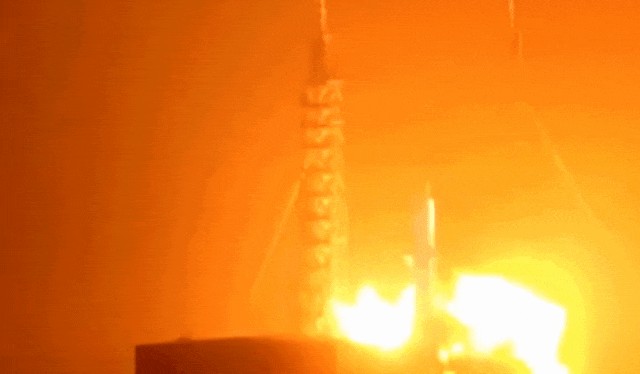
The explosion occurred during a static fire test of the "New Glenn" rocket—a pre-launch inspection procedure that involves fueling the rocket and igniting the engines to test the system. Blue Origin confirmed that the company "encountered an anomaly during today's hot fire test," all personnel were safe, and an accident investigation is underway.
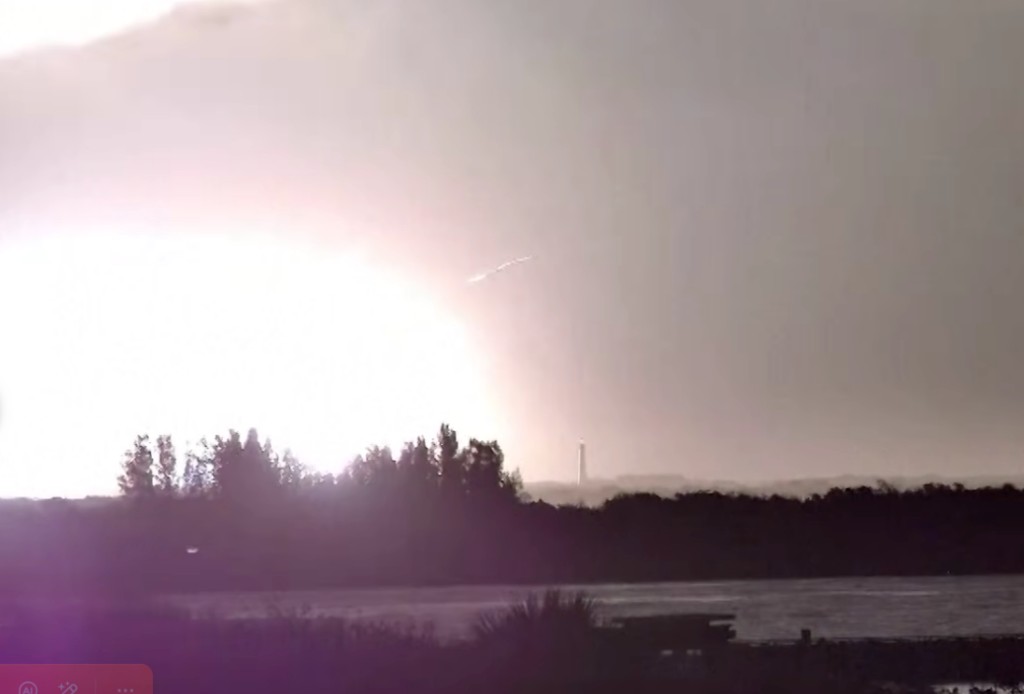
Video footage from the Florida launch site showed the rocket turning into a ball of fire at night. Multiple employees told media outlets that Blue Origin's sole launch pad and related ground equipment were severely damaged, making an impact on the company's launch schedule for the year unavoidable. Blue Origin had previously planned to complete 12 "New Glenn" flight missions in 2025.
Bezos posted on social media platform X: "Today was very tough, but we will rebuild everything that needs rebuilding and take off again. It is all worth it."
Amazon Satellite Constellation Construction Plunged into Passivity
The impact on Amazon was particularly direct. Amazon is relying on Blue Origin to help it complete the assembly of its "Kuiper" low-Earth orbit internet satellite constellation before regulatory deadlines, and has already paid Blue Origin $2.7 billion in launch contract fees.
The mission originally scheduled for this Monday was to deliver 48 satellites for Amazon's low-Earth orbit internet constellation. Following the explosion, Amazon did not respond to requests for comment from the Financial Times.
Josh Parker, an analyst at Washington-based strategic consulting firm Capstone, stated that this failure would force Blue Origin's customers to seek additional launch capacity from SpaceX. "This is SpaceX's most competitive rival, and currently the only other company capable of recovering and reusing boosters, and now it has been forced out," he said.
Accident Background: Another Blow After Consecutive Setbacks
The "New Glenn" rocket stands 98 meters tall and is named after John Glenn, the first American astronaut to complete an orbital flight around Earth. Its design goal is to perform at least 25 flight missions.
This explosion was not Blue Origin's first setback. In April this year, during the third flight mission of the "New Glenn," a "thrust anomaly" caused a satellite originally intended for deployment to customer AST SpaceMobile to be released into an orbit that was too low, resulting in the satellite's eventual failure. U.S. regulators immediately announced a grounding, but Blue Origin just last week completed its accident report and received approval to resume flights—a rapid lifting of the ban that surprised analysts, as the market had generally expected the grounding to last for months.
In the same week as the accident, NASA had just announced awarding Blue Origin a $468 million contract for the development of two unmanned lunar landers to support the "Moon Base" project, part of the U.S. plan to return to the moon by the end of 2028. Blue Origin is one of NASA's main contractors for landing systems, and its lunar lander has been included in the launch schedule for the first unmanned moon landing mission after this autumn.
