


AI Reshapes Corporate IT! Starbucks Launches "In-House Software Development," Challenging Microsoft and IBM
Starbucks is leveraging AI to significantly lower the barrier to software development, promoting in-house development to replace software systems from vendors such as Microsoft, IBM, and Oracle, with the goal of compressing its annual IT spending by $400 million. Related replacement software could be tested as early as the end of next year
AI is not only changing the way software is developed but also altering the logic behind corporate software procurement.
On July 9, according to an internal presentation obtained by Bloomberg, Starbucks is accelerating its in-house software development efforts, hoping to leverage AI to boost development efficiency and gradually replace some of the commercial software it has long purchased. Targets include Microsoft's inventory tracking system, IBM's equipment maintenance management tools, and Oracle's Simphony point-of-sale (POS) system, which has been in use for many years.
If these projects proceed as planned, some of the replacement software could complete testing and go into use as early as the end of next year. This means that the changes brought by AI are evolving from merely improving development efficiency to prompting large enterprises to reevaluate their software procurement models, thereby imposing new competitive pressures on traditional enterprise software vendors.
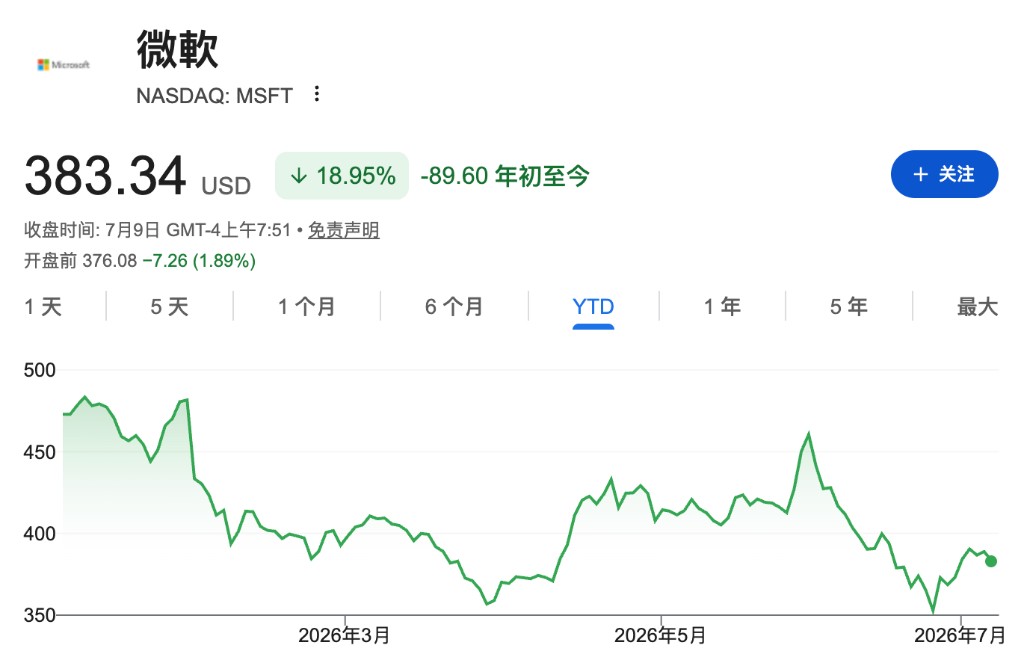
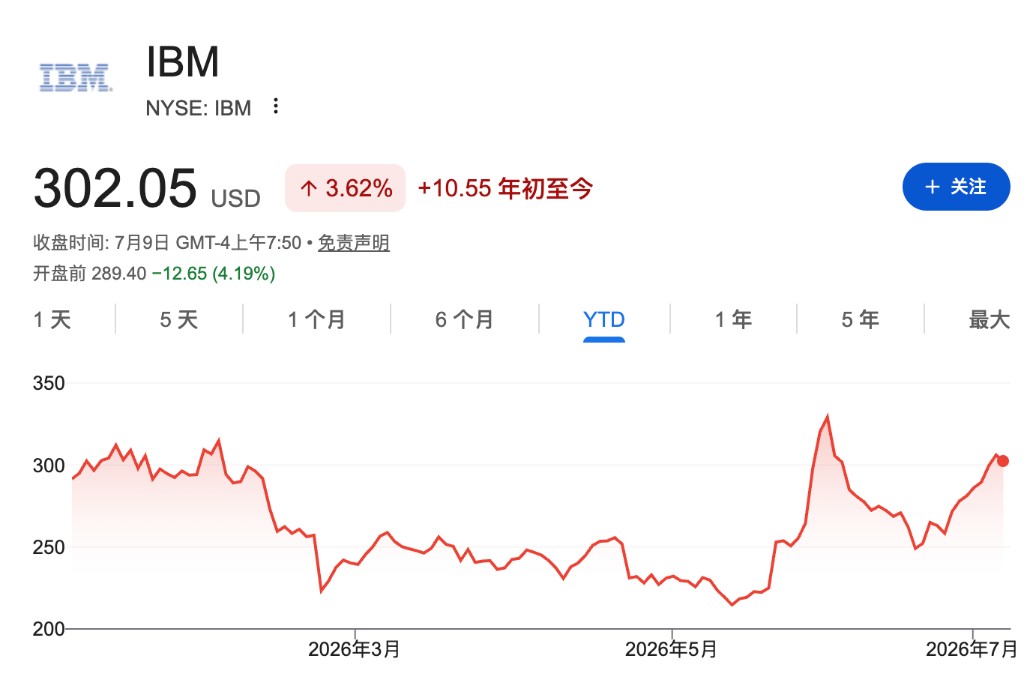
So far this year, the stock performances of both Microsoft and IBM have lagged behind the S&P 500 Index, and market concerns about whether AI will erode the moats of traditional software suppliers continue to intensify.
Annual Software Spending of $400 Million Becomes a Key Focus for Cost Reduction
The most direct driver behind Starbucks' push for in-house software development is cost compression.
Starbucks Chief Technology Officer Anand Varadarajan stated at an internal forum earlier this year that the company spends approximately $400 million annually on software, noting that "there is obvious room for optimization here." He explicitly urged employees to reduce reliance on external software.
Software costs are just one part of Starbucks' broader cost-cutting plan. The company is currently advancing a $2 billion cost reduction initiative. According to the internal presentation, the corporate technology department expects to save approximately $30 million in budget for the fiscal year ending in late September, with about $10 million coming from reduced software procurement spending and another $13 million from cutting back on external consulting and professional services by shifting those tasks to internal teams.
Meanwhile, Starbucks is adjusting its technical team structure, expanding technology centers in Nashville, USA, and India, while retaining its R&D team at its Seattle headquarters. Since last February, the company has cut approximately 2,300 jobs, with the technology department also affected.
AI Programming Lowers the Barrier to In-House Development
AI has become a significant catalyst for Starbucks' push into in-house software development.
Internal materials reveal that during the development of a platform to replace IBM's equipment maintenance system, AI-assisted programming has handled core development tasks, significantly boosting development efficiency. Starbucks has been continuously promoting the internal use of generative AI in recent years. Bloomberg previously reported that the company has even incorporated employees' usage of AI tools into their performance bonus assessments to accelerate the adoption of AI within its R&D teams.
An official blog post released by the company earlier this year also stated that AI and other digital technologies will serve as important supports for long-term growth in the future, helping baristas reduce backend administrative tasks and devote more time to customer service.
In addition to developing new systems, Starbucks is comprehensively reviewing its existing IT contracts. Internal materials indicate that the company is reevaluating "every contract and every service," and for software that originally required extensive custom development, in-house development is increasingly becoming the preferred option.
In-House Development Still Faces Long-Term Challenges
However, in-house software development does not come without costs.
Although independent development can reduce license procurement fees, long-term maintenance, continuous upgrades, and the expansion of technical teams often entail higher labor and operational costs. This is a classic trade-off that large enterprises have long faced. A recent attempt by Starbucks reflects this reality. The company previously launched an AI-driven inventory management system but has since withdrawn it, currently reverting to manual inventory counts to address accuracy issues in actual operations.
At the same time, Starbucks continues to use various third-party software products, including those from Microsoft, and has not completely broken away from external suppliers in the short term. More importantly, there remains significant divergence in the market regarding the extent to which AI can automatically handle complex enterprise software development.
For the entire software industry, Starbucks' attempt may be just the beginning. As AI continues to drive down software development costs, more large enterprises with sufficient technical teams may begin to recalculate a question that has rarely been seriously discussed in the past: whether to continue purchasing software or to develop it in-house.
