


Goldman Sachs Korea Top-Line Commentary: IBM's Plunge Validates Memory Shortage; Retail Investors Capitulate While Key Support Levels Hold; Institutions Believe Memory Capacity Expansion Will Be Moderate
Goldman Sachs' Seoul team believes that IBM's 25% drop confirms that corporate clients are shifting capital expenditure toward memory purchases. The "Crowding Out Effect" is spreading to non-AI corporate buyers, confirming the breadth and depth of the memory shortage from a real-economy perspective, while memory suppliers' pricing power continues to strengthen. Korean stocks saw net buying by institutions at key support levels, with retail investors cutting losses and cleaning up the shareholder base. Constrained by equipment shortages, actual memory capacity expansion will fall far short of expectations. Goldman Sachs maintains its KOSPI target price of 12,000 points with a bullish stance
IBM's stock price plummeted 25% in a single day. In Goldman Sachs' view, this is not bad news but the strongest real-world evidence of a supercycle in the memory sector.
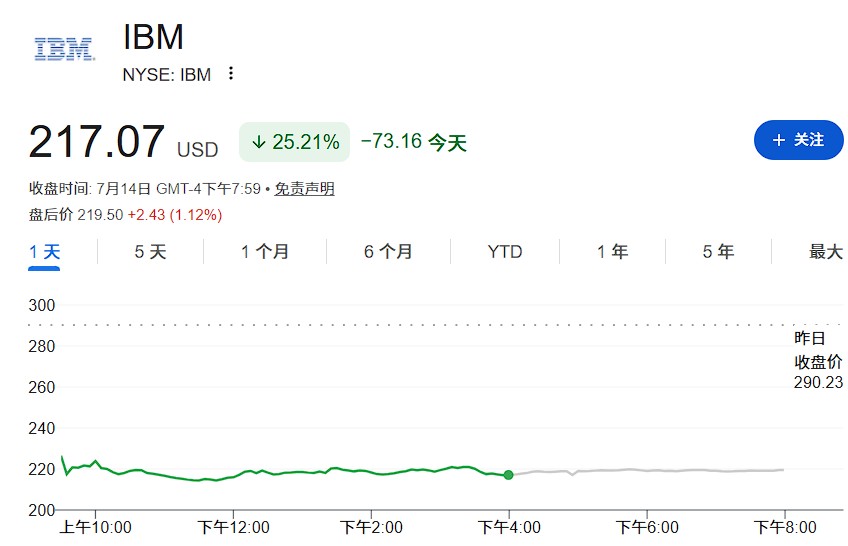
According to Zhuifeng Trading Desk, Goldman Sachs' Seoul team pointed out in its latest top-line commentary released on July 15 that the root cause of IBM's earnings collapse lies in corporate clients massively shifting capital expenditure toward server, storage, and memory purchases to lock in supply-constrained infrastructure before expected price hikes—this "Crowding Out Effect" is spreading from the AI capital expenditures of hyperscale cloud providers to ordinary corporate IT buyers, thereby confirming the breadth and depth of the memory shortage from a real-economy perspective.
Meanwhile, key technical support levels in the South Korean stock market remain intact despite severe volatility. The Seoul team noted that the KOSPI received net buying support from local and foreign institutional investors at the 61.8% Fibonacci retracement level. Although retail investors have cut their losses and exited, institutional investors generally believe that due to structural shortages of equipment and components, the actual expansion of industry capacity will be far below the upper limits feared by the market. Goldman Sachs maintains its KOSPI target price of 12,000 points with a clear bullish stance.
IBM Plunges 25%: Crowding Out Effect Spreads to Corporate IT; Memory Pricing Power Validated by Real Economy
IBM's stock price plunged 25% on Tuesday, while Salesforce fell 2%. The trigger for both points to the same phenomenon: corporate clients are massively shifting capital expenditure from software and services to server, storage, and memory purchases to lock in tight-supply infrastructure in advance and avoid expected price increases. IBM management admitted that it failed to anticipate the scale of this reorder in capital expenditure.
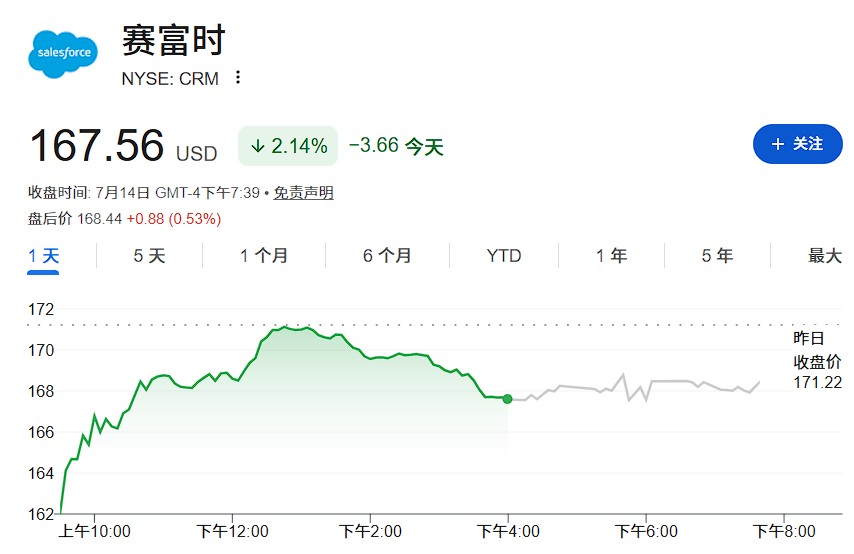
Goldman Sachs believes that the significance of this event goes far beyond IBM itself. The core bullish logic for the memory supercycle is that: the wafer consumption intensity of HBM (High Bandwidth Memory) is crowding out the supply space for traditional server DRAM, thereby tightening the entire DRAM market, not just the HBM segment. IBM's latest statement is a direct confirmation that this "Crowding Out Effect" is biting into non-AI corporate clients in the real economy.
Goldman Sachs thus further reinforces its previous view: memory suppliers' pricing power is strengthening, and structural supply constraints combined with impending price increases are expected to drive a revaluation of memory manufacturers. The narrative of a "higher and longer" memory cycle has gained a new support anchor on the corporate side.
KOSPI Technical Support Levels Intact: Institutions Buy the Dip, Retail Investors Cut Losses
The KOSPI recently underwent a severe adjustment, plunging 9% in a single day on Monday. Goldman Sachs pointed out that the decline was significantly amplified, mainly because newly listed single-stock leveraged ETFs underwent rapid deleveraging, triggering self-reinforcing chain liquidations that were clearly disconnected from fundamental drivers.
However, at the 61.8% Fibonacci retracement level, both local and foreign institutional investors turned to net buying, while retail investors continued to cut their losses and exit. Goldman Sachs observed this divergent pattern in its weekly prime brokerage data and customer feedback from roadshows in Singapore.
Meanwhile, most technology investors contacted by Goldman Sachs hold a cautiously optimistic view on the pace of capacity expansion, generally believing that due to structural shortages of equipment and components, the actual intensity of capacity expansion may be far less aggressive than market concerns suggest.
According to media reports, ASML is expected to raise its sales guidance, and the market will closely watch whether the company can effectively expand capacity amid a surge in equipment demand.
Overall, Goldman Sachs believes that four positive changes have emerged in the current market landscape:
First, stock prices have become cheaper heading into the seasonally weak third quarter; second, the shareholding structure has become cleaner after retail investors cut their losses; third, corporate IT demand is stronger than expected; and fourth, both foreign and local institutional investors have turned to net buying at key technical support levels.
Goldman Sachs maintains its KOSPI target price of 12,000 points with an overall bullish stance.
