


Jensen Huang and Elon Musk: Latest Statements on China!
On July 25, Elon Musk stated that China is highly likely to become an AI leader and that US bans cannot stop this trend. On the same day, NVIDIA CEO Jensen Huang said China is destined to produce excellent AI technology and that cooperation and learning should continue. He opposed restrictions on Chinese open-source models, arguing they are excellent, have no backdoors, and greatly benefit the industry, publicly defending open-source AI
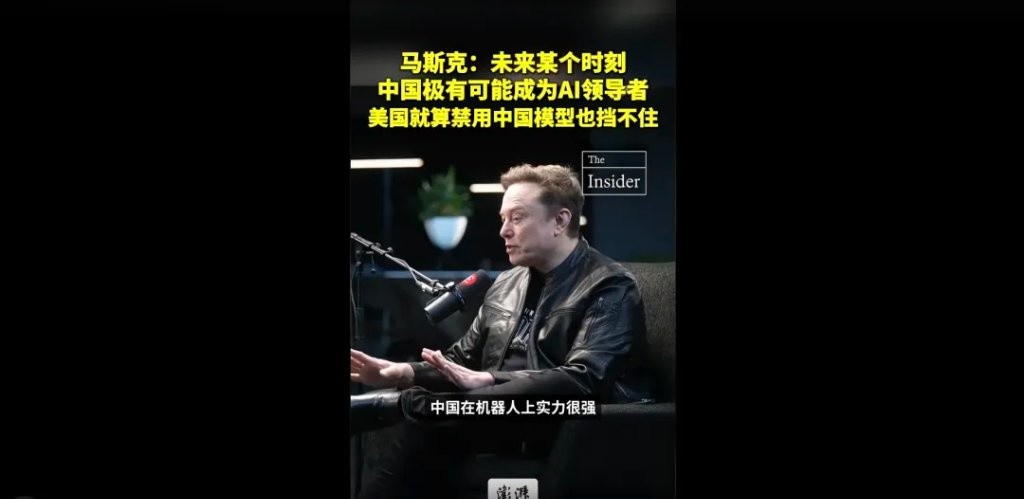
According to a report by The Paper on July 26, Elon Musk stated in an interview with The Economist on July 25 that China is highly likely to become an AI leader at some point in the future, and even if the US bans Chinese models, it will not be able to stop this trend.
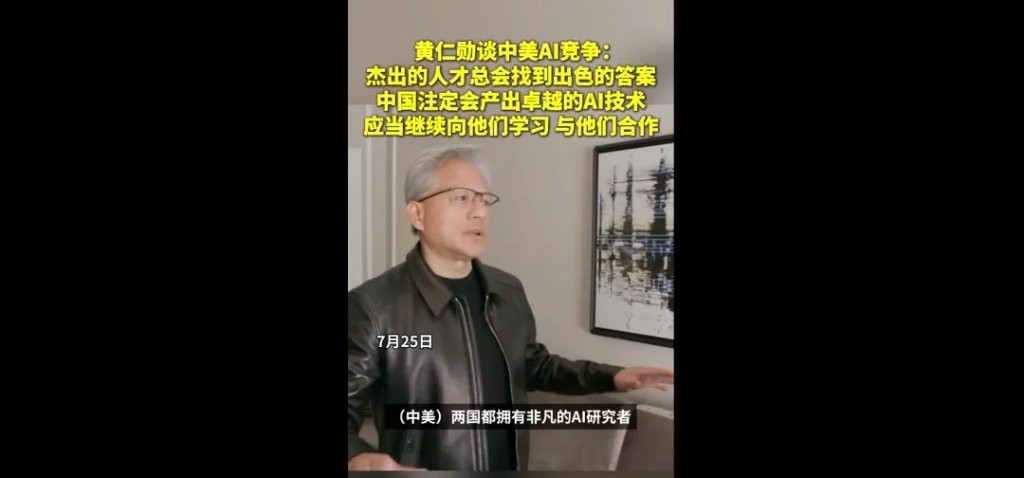
On July 25, Jensen Huang, CEO of NVIDIA, the leader in AI (artificial intelligence) chips, discussed the US-China AI competition in an interview with foreign media. He stated that outstanding talent will always find excellent solutions, and that China is destined to produce superior AI technology. He emphasized that the world should continue to learn from and cooperate with China.
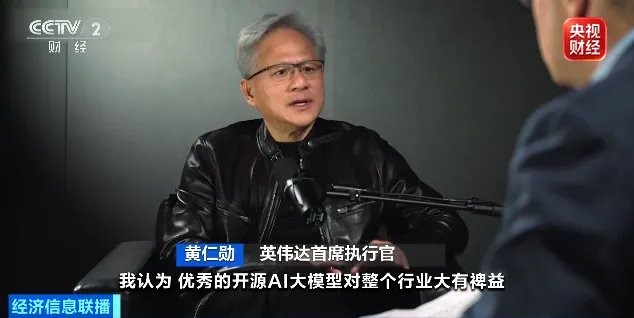
This marks another recent statement by Huang regarding China's AI sector. According to CCTV Finance, on July 24, Huang discussed the development of artificial intelligence in China during an interview, stating that Chinese open-source AI models are excellent and that the US should not fear them.
Huang noted that Chinese large language models are outstanding and that high-quality open-source large models should be utilized. He remarked that the market previously misunderstood the impact of DeepSeek and is now misunderstanding the impact of Kimi. He believes that excellent open-source AI large models are highly beneficial to the entire industry, as the technology will spread to more sectors. Huang argued that the widespread application of superior large models like DeepSeek and Kimi will drive significant growth.
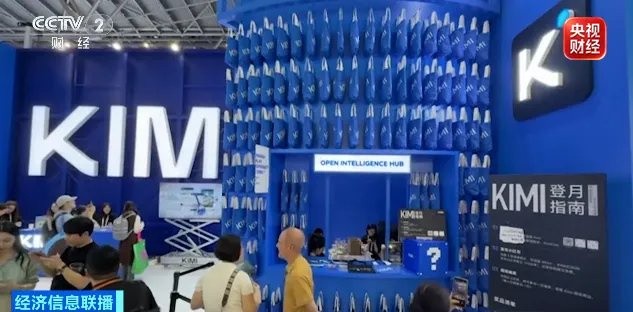
Huang clearly opposed restricting or even banning Chinese open-source models, arguing that the world needs both open-source and closed-source large models.
Regarding whether US companies should be allowed to use Chinese AI large models, Huang stated that they certainly should. He considered the notion that Chinese large models contain backdoors connecting them to China in some way to be a misconception.
On July 24 local time, Huang posted a tweet on X (formerly Twitter), attaching an open letter signed by numerous tech giants. In response to recent debates within the US AI regulatory community regarding open-source AI, he offered a comprehensive defense of open source, outlining the importance of open-source models.
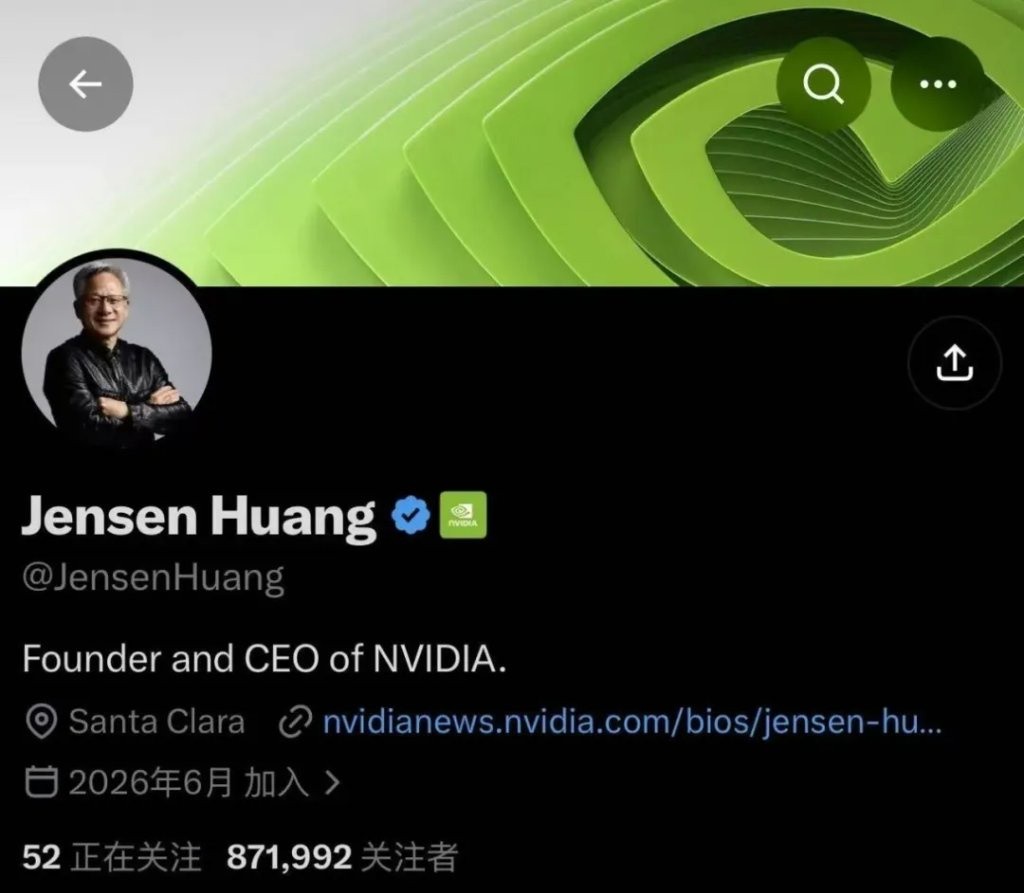
Notably, this was Huang's first tweet on the X platform. His account launch went quite smoothly; within 20 minutes of posting his first message at 9:18 PM on the 24th, his follower count had exceeded 10,000. Tech influencers including Microsoft CEO Satya Nadella, well-known tech leaker Jeff Pu, Mark Gurman, and Ming-Chi Kuo quickly came to "welcome Jensen." As of press time, his latest follower count has reached 870,000.
In his first tweet, Huang wrote: "AI will transform every industry, empower every company, and be built by every nation. Open-source models strengthen security and cybersecurity, accelerate innovation and adoption, and enable sovereignty. The world needs both leading-edge closed-source models and leading-edge open-source models."
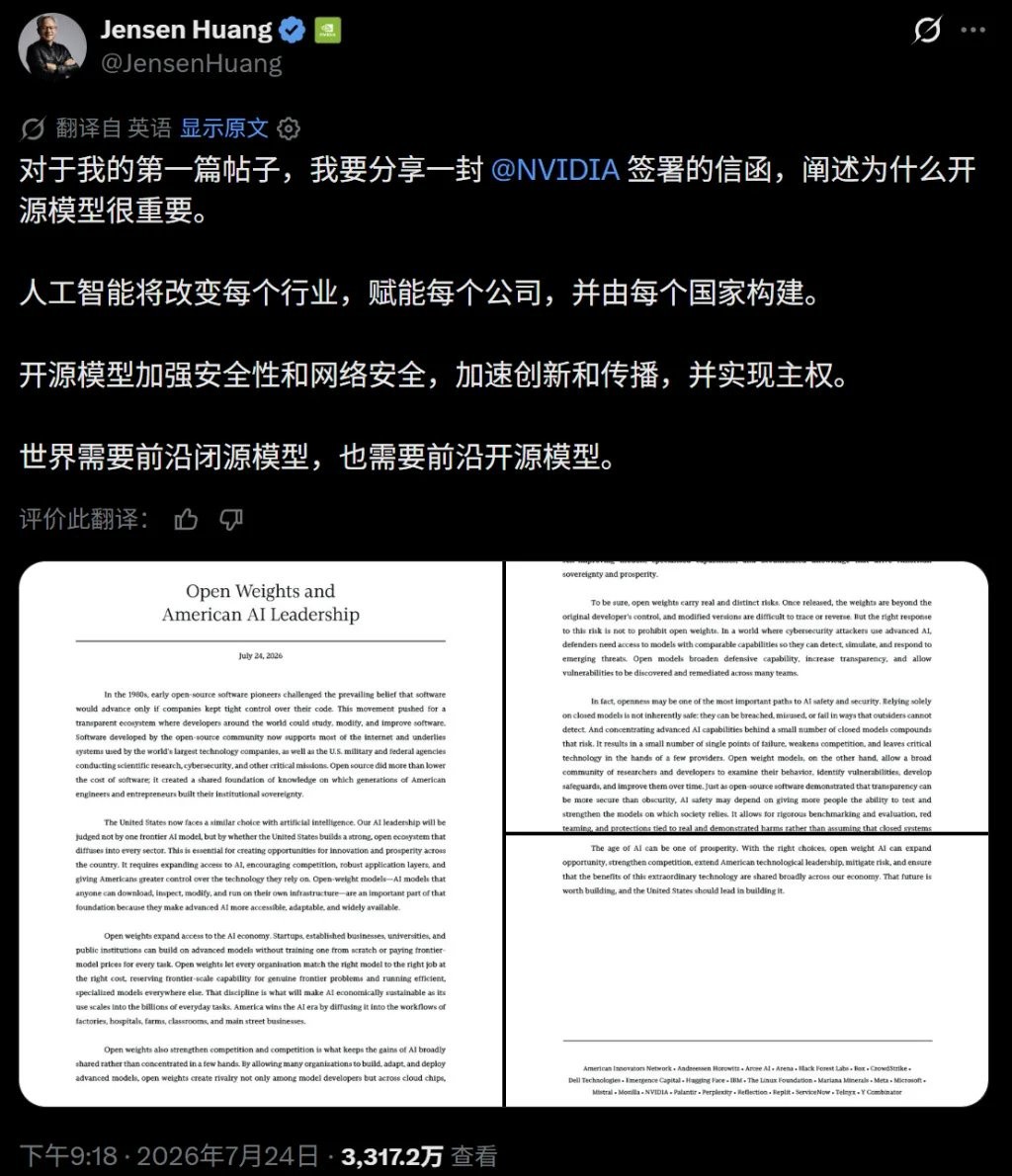
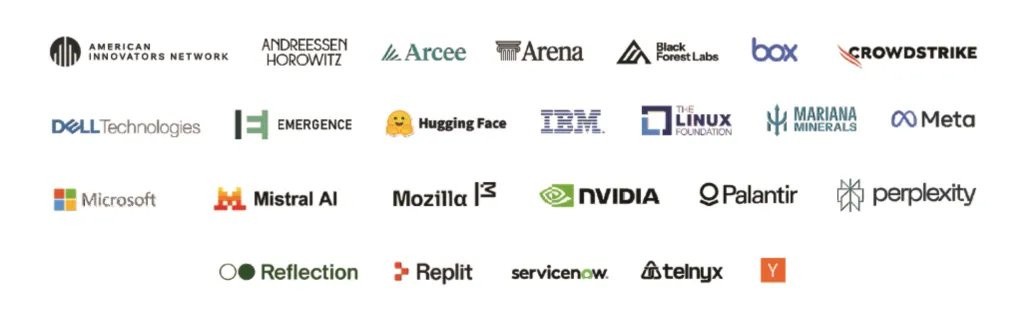
Huang attached a joint open letter titled "Open Weights and US Leadership in AI" to his tweet. The letter was co-signed by more than 20 companies and institutions, including NVIDIA, Meta, Microsoft, Palantir, CrowdStrike, IBM, ServiceNow, Hugging Face, Mistral AI, a16z, Y Combinator, and Perplexity.
Notably, the names of the three major US closed-source frontier AI labs—OpenAI, Anthropic, and Google—did not appear on the letter.
The letter drew a direct analogy between the current debate over open-source AI and the rise of open-source software in the 1980s. It stated that open-source models allow startups, universities, and public institutions to build directly on advanced AI without having to train frontier-scale large models from scratch, thereby expanding economic participation.
The open letter stated that early open-source pioneers broke the traditional notion that "software progress relies solely on companies strictly controlling code," establishing a transparent ecosystem for global developers to learn, modify, and improve. Today, open-source software underpins much of the internet and the core systems of the world's largest tech companies.
The letter explicitly pointed out that the measure of US AI leadership is not the power of a single frontier model, but the ability to build a robust, open ecosystem that permeates all industries. Furthermore, open-source models can strengthen competition, and competition can ensure that the benefits of AI are widely shared, rather than concentrated in the hands of a few companies.
Regarding the cybersecurity risks potentially posed by open-source AI, the open letter argued that rather than open weights posing a national security risk, concentrating advanced AI technology in a few closed-source models creates a "single point of failure" that is difficult to test, audit, or defend against.
Therefore, broader access allows more researchers to discover vulnerabilities, thereby enhancing defenses against AI cyberattacks.
Additionally, the open letter advocated that "AI distillation" technology should not be restricted. AI distillation, described in the letter as a "natural phenomenon" in AI development rather than infringement or misappropriation, involves using the output of one model to help train or improve another. Since the rise of the open-source software movement, this has consistently driven innovative development. In contrast, the illegal extraction of value from closed models is indeed a concern. However, these issues should be addressed through targeted legal and commercial frameworks, rather than imposing blanket restrictions on technologies that play a crucial role in AI innovation.
Against this backdrop, some leading US AI companies, facing increasingly fierce competition, have begun to frequently emphasize the risks of "distillation": competitors can make extensive API calls to have models generate answers, which are then used to train other models, thereby "replicating the capabilities of advanced models." US government officials have recently echoed these sentiments, with rumors suggesting that relevant policies are being considered.
The signatories of the aforementioned open letter urged that legitimate intellectual property concerns should be handled through targeted legal frameworks, rather than imposing one-size-fits-all blanket restrictions on the technology.
Finally, the open letter concluded: "The AI era can be an era of prosperity. By making the right choices, open-weight AI can expand opportunities, strengthen competition, solidify US technological leadership, reduce risks, and allow the entire economy to broadly share the technological dividends."
Foreign media analysis pointed out that as the US government discusses whether to restrict open-weight AI models, NVIDIA appears to be actively engaging in lobbying efforts. The outcome of this contest will directly determine the scale of market demand for computing power and chips in the coming years.
Two days prior to this post, Huang stated in an interview with foreign media that Chinese open-source models like Moonshot AI's Kimi K3 are "excellent" and that US companies should be allowed to use them. At the same time, he refuted concerns that these models might replace US labs, stating that such a possibility is zero.
Risk Warning and Disclaimer
The market carries risks; investment requires caution. This article does not constitute personal investment advice, nor does it take into account the specific investment objectives, financial status, or needs of individual users. Users should consider whether any opinions, views, or conclusions in this article align with their specific circumstances. Investors assume full responsibility for their own decisions.
