


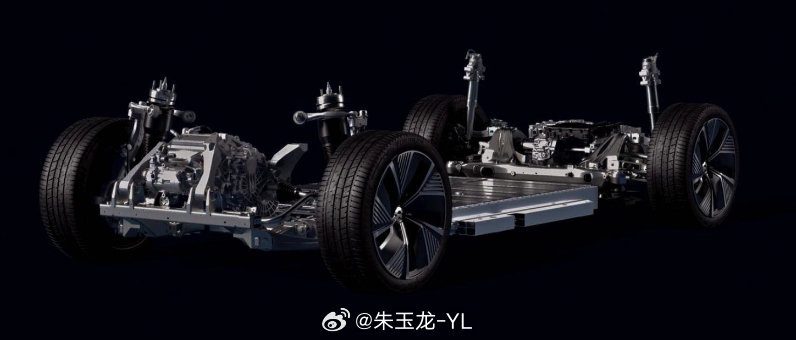
Nio's intelligent chassis and D4 Full Comfort Domain technology make driving smarter and more comfortable. In the wave of intelligence, the development of automotive chassis technology is undergoing unprecedented changes. Although traditional chassis configurations have excellent mechanical performance, their competitiveness in the context of intelligence appears insufficient. Technological progress should not just be the result of hardware stacking but requires the organic integration of advanced software and hardware to form an efficient and synergistic whole. This is exactly what Nio pursues, and its intelligent chassis technology, especially the D4 Full Comfort Domain technology, embodies this philosophy. The ET7, as a model integrating the latest intelligent technologies, undoubtedly leads the industry with its intelligent chassis technology, providing users with a more advanced driving experience.
Banyan 3.0: Making Cars Smarter
Banyan 3.0 is Nio's latest intelligent system, and its biggest highlight is its ability to think like a human brain—through integrated AI technology, it can better understand and respond to drivers' needs. Whether it's intelligent driving assistance, smart cabin interaction, or intelligent chassis control, Banyan 3.0 delivers a smoother and more personalized experience. More importantly, it breaks the limitations of traditional automotive technology, creating a complete intelligent loop from environmental perception to control execution, enabling cars to 'perceive' the world around them like humans and react quickly and accurately.The Magic of the Intelligent Chassis: D4 Full Comfort Domain Technology
When it comes to driving experience, comfort and handling are the top concerns. Nio's D4 Full Comfort Domain technology was born to enhance these two aspects. Leveraging cloud computing and big data analysis, this technology allows the car to automatically adjust the suspension system's stiffness based on different road conditions, ensuring the best driving experience on all types of terrain. For example, when the vehicle encounters bumpy roads, the D4 system can sense and adjust the suspension in advance, reducing body sway and providing passengers with a smoother and more comfortable ride.The Performance of Banyan 3.0 and D4 Full Comfort Domain
Since August 2024, Nio has applied the Banyan 3.0 intelligent system and D4 Full Comfort Domain technology to multiple models, including the 6SE, 6CE, 7TE, and 7CE, covering almost all cities and regions nationwide. According to user feedback, these two technologies have significantly improved driving comfort and safety. Especially when dealing with complex road conditions, the D4 Full Comfort Domain technology demonstrates exceptional capabilities—it not only fine-tunes adjustments in multiple directions but also optimizes the driving experience by predicting road conditions in advance.Innovation in the Intelligent Chassis Field
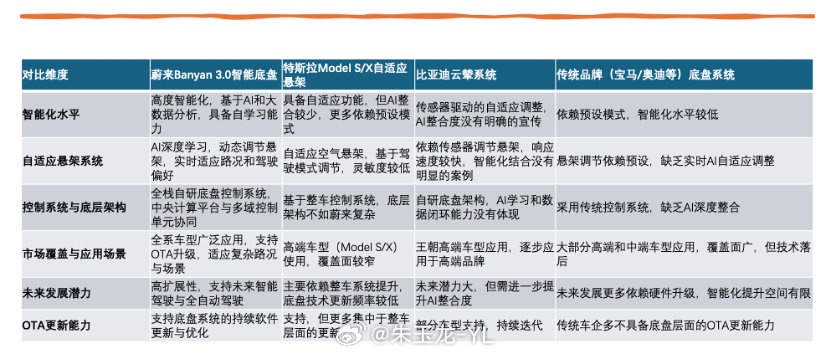
Traditional foreign automakers have long dominated the chassis field, and Tesla has also attempted breakthroughs with the Model S/X. Domestically, BYD has introduced a similar intelligent chassis technology—the YunNian system, which achieves intelligent suspension adjustment through independently developed hydraulic suspension and intelligent vibration control systems, making it another excellent solution. Huawei has shown strong capabilities in intelligent driving, but its integration of chassis software and hardware requires time to mature. Due to the complexity of chassis technology, Huawei still has room for refinement in this area. Nio's D4 Full Comfort Domain system excels in overall intelligent control and data fusion, providing more precise driving assistance and a more comfortable ride. While Nio's intelligent chassis technology has achieved remarkable success, many challenges remain, including reducing the cost of intelligent hardware to make high-tech benefits accessible to more consumers and maintaining a leading position in the fiercely competitive market.Nio's intelligent chassis technology has led the chassis into the AI era, driving the transformation from traditional vehicle-side architecture to a vehicle-cloud architecture through data-driven methods. This technology not only covers adjustments in the XYZ dimensions but also introduces cloud computing capabilities, enabling the system to detect bumps 500 meters ahead and achieve local end-to-end chassis adjustments through vehicle-side perception systems, making adjustments in advance. This completely eliminates the lag in chassis adjustments, delivering an ultimate comfort experience to users.
The copyright of this article belongs to the original author/organization.
The views expressed herein are solely those of the author and do not reflect the stance of the platform. The content is intended for investment reference purposes only and shall not be considered as investment advice. Please contact us if you have any questions or suggestions regarding the content services provided by the platform.
