



Debunking false rumors: Feihe's research leads globally, momentum unstoppable by rumors

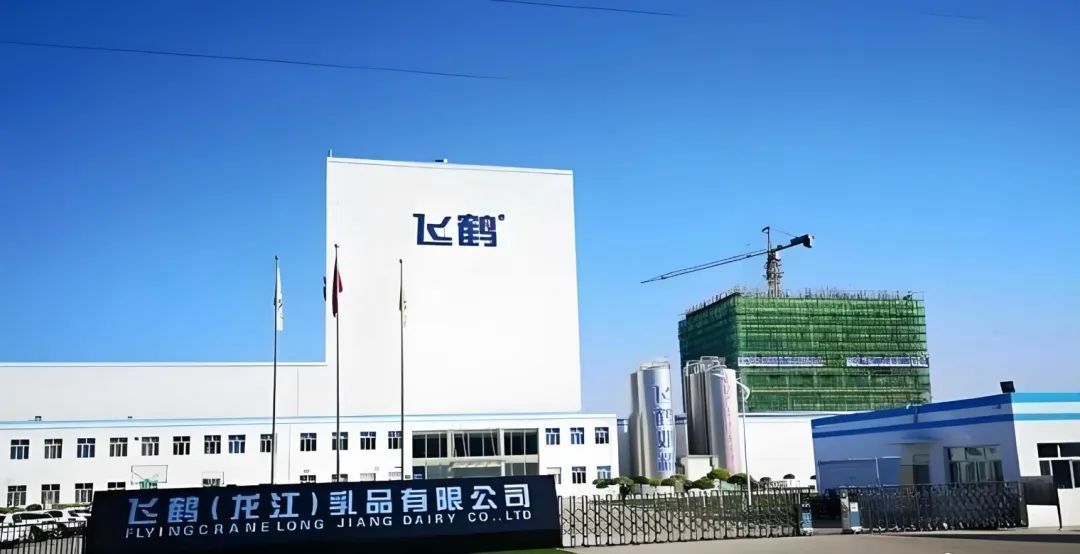
On October 18, Heilongjiang Feihe Dairy Co., Ltd. issued an official statement saying that recently, a large number of false statements such as "Feihe imports raw materials from Japan" have appeared on the internet. These statements not only misled consumers but also caused serious damage to Feihe's brand reputation. Feihe has reported the case to the public security authorities, and the police have filed an investigation.
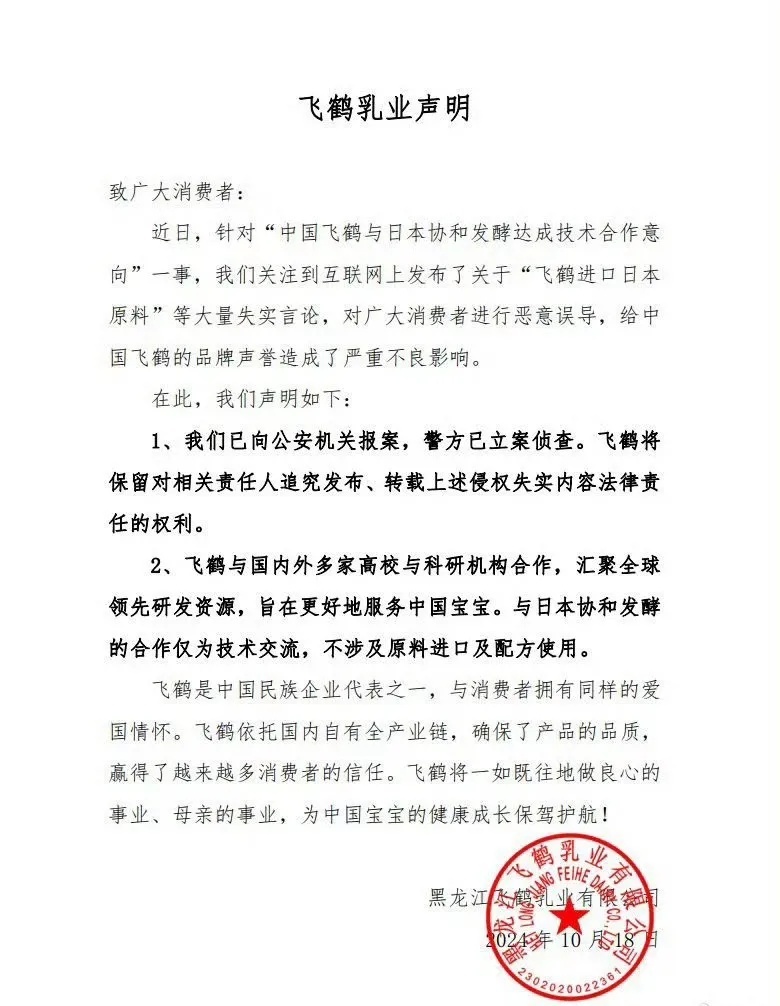
▲Screenshot of Feihe's statement
1. A potential cooperation that sparked online rumors
Why was Feihe, long hailed as the "pride of domestic infant formula," rumored to be "importing raw materials from Japan"? This all started with a potential cooperation agreement Feihe signed in October this year.
On October 3, China Feihe (hereinafter referred to as "Feihe") and Japan's Kyowa Hakko (hereinafter referred to as "Kyowa Hakko") signed a letter of intent for mutual technical cooperation, announcing the establishment of a joint innovation laboratory. The "Joint Innovation Laboratory" will jointly develop production technology for fermented lactoferrin. Both parties announced that they would leverage their respective expertise to explore new methods for simulating breast milk in infant formula, producing functional components such as lactoferrin through fermentation technology.
This news of corporate cooperation was misinterpreted by some with ulterior motives as "Feihe receiving investment from Japanese companies." Some linked Japan's pollution incidents to infant formula, while others spread rumors that "Feihe imports raw materials from Japan." Even more alarmist statements were made by conspiracy theorists.
According to Feihe's disclosures, this cooperation is only at the "letter of intent" stage. Even if it progresses to actual cooperation, it would involve "mutual technical collaboration" and the "development" of fermented lactoferrin technology. It does not involve raw materials, let alone investment.
2. Feihe aims to develop new methods for lactoferrin production
So, why is Feihe collaborating with Kyowa Hakko? This brings us to the importance of lactoferrin for infants.
Lactoferrin is a protein with multiple biological functions, widely found in mammalian milk. Due to its antiviral activity and immune-regulating effects, it can activate a newborn's immune system and contribute to its development.
For a long time, China's dairy industry has relied heavily on imported milk sources, and the self-sufficiency rate of raw materials such as whey powder and lactoferrin needs improvement. This has become a hidden obstacle to the high-quality development of China's dairy industry.
Currently, Feihe's Harbin factory is the only domestic enterprise capable of large-scale production of lactoferrin using traditional milk whey protein extraction technology. To break the monopoly of foreign companies, Feihe decided to develop its own lactoferrin production line. After years of dedicated research, they successfully developed chromatography ultrafiltration technology.
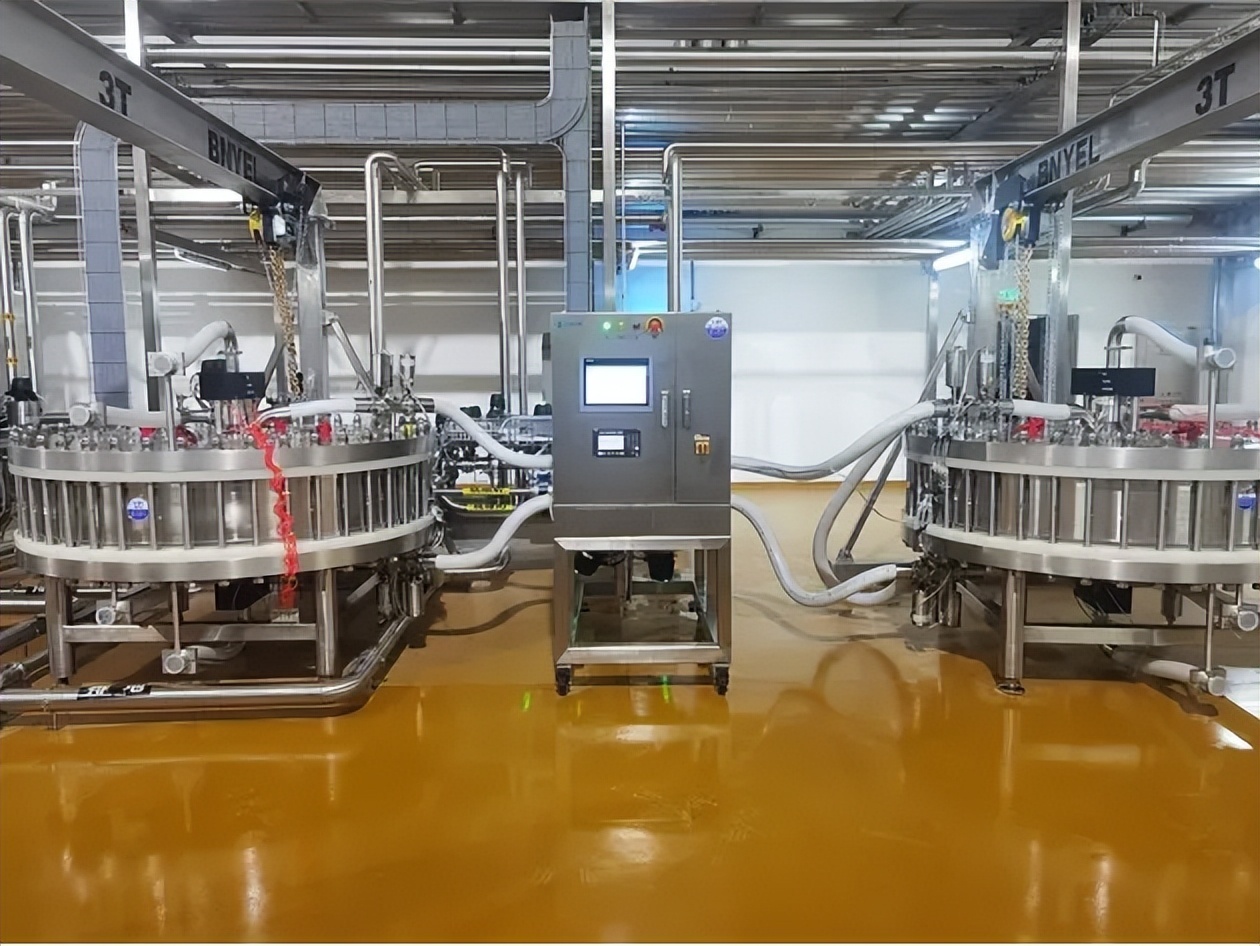
▲Feihe's automated lactoferrin production line
Currently, many high-tech companies worldwide are working on the technology to directly ferment lactoferrin. This process involves using engineered cells or microorganisms to produce lactoferrin. This method is highly efficient and is expected to significantly reduce production costs in the future.
Feihe's collaboration with Kyowa Hakko aims to jointly develop fermented lactoferrin technology. Kyowa Hakko is a globally leading high-tech fermentation company, founded in 1949, and the first company to use fermentation to produce amino acids. Kyowa Hakko is a global leader in the research, development, production, and sales of various amino acids, human milk oligosaccharides (HMOs), and postbiotics in the pharmaceutical and food industries.
To compete with international peers on an equal footing, it is essential to master the same or even higher-level technologies. Combined with Feihe's milk source advantages, more advanced technologies will undoubtedly give domestic companies a greater competitive edge in both domestic and international markets.
3. With multiple patents, Feihe is a globally leading research-driven enterprise
Beyond the current collaboration with Kyowa Hakko, Feihe has long been conducting breast milk research in collaboration with over 20 research institutions across seven countries. It has established leading research platforms such as the Harvard BCH-Feihe Brain Development Foundation, the Peking University Health Science Center-Feihe Nutrition and Life Health Development Research Center, and the Feihe-Jiangnan University Joint Innovation Research Center for Maternal and Infant Probiotics. Feihe actively participates in national and provincial-level key research projects.
In terms of independent R&D, Feihe's investment in research exceeds the industry average, ranking among the top in the dairy industry in 2023. Since 2017, Feihe's R&D investment has increased more than 40-fold, reaching 610 million yuan, providing strong financial support for technological innovation and ensuring the smooth progress of research projects and technological breakthroughs.
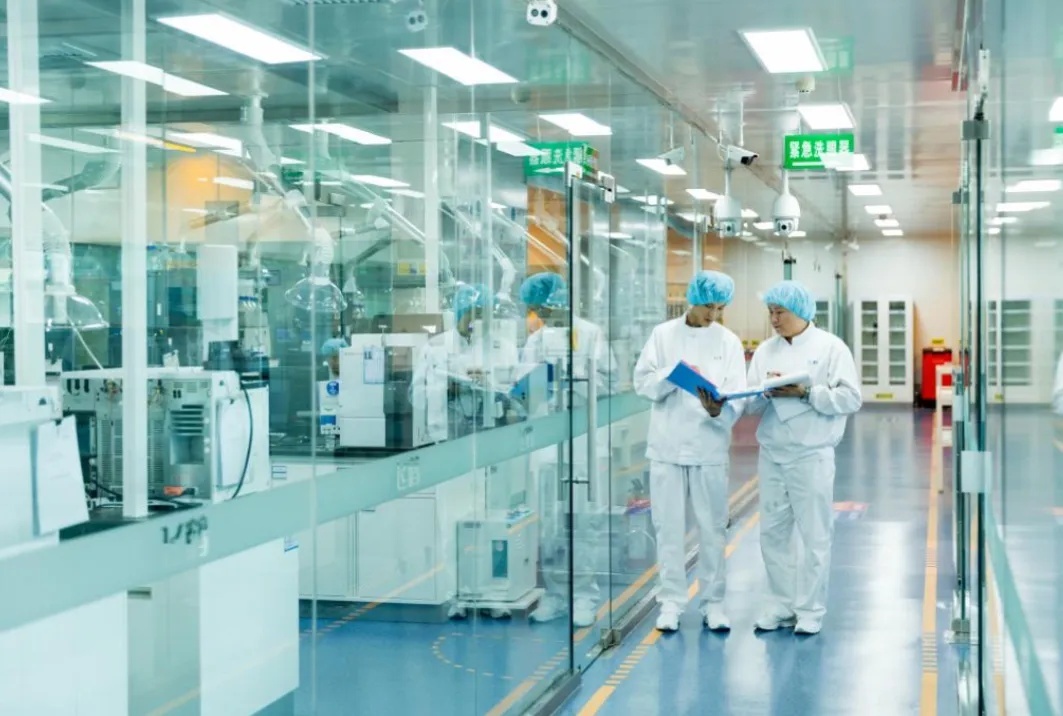
For over a decade, Feihe has been studying the composition of Chinese breast milk: as early as 2009, Feihe participated in the national "863 Program" and began building its own Chinese breast milk database. In recent years, Feihe has focused on components in breast milk that are crucial for infant immunity and neurodevelopment, such as human milk oligosaccharides (HMOs), osteopontin (OPN), phospholipids, and DHA/ARA. Feihe has spared no effort in providing industry standards for testing and analysis methods, innovating in nutritional combinations, and applying them to products, resulting in multiple national invention patents.
Under the "14th Five-Year Plan" national key R&D program, Feihe successfully secured approval for the project "Research and Demonstration of New-Generation Infant Formula Manufacturing Technology Based on Chinese Breast Milk Research."
To date, in the frontier field of brain development, Feihe has published nine high-level papers in authoritative domestic and international journals and one professional book—"The First 1,000 Days of Life: Maternal and Infant Nutrition and Health." It has filed 20 patents for brain development nutritional combinations, initiated three clinical validations, applied for five patents for lactoferrin and osteopontin preparation technologies, released two group standards, and applied for three patents for related testing methods.
4. With a mother's heart, helping Chinese babies grow better
Feihe is committed to Chinese breast milk research, approaching its work with a mother's heart and integrating the latest domestic and international scientific advancements into every drop of milk.
Not only does Feihe aim to create infant formula better suited to Chinese babies' physiques, but its vision is also to draw on global technology to create world-leading infant formula. The goal is to ensure that Chinese babies do not fall behind in nutrition during critical growth stages. This reflects not only the conscience and 初心 of a company but also the long-term future of the Chinese nation.
Children are the hope of families and the future of the nation. As an industry leader, Feihe, with the 初心 of "doing a mother's work," leverages world-class research capabilities and "national-level technological 攻坚" to advance global maternal and infant nutrition.
Editor|Hu Zhanjia
Operations|Chen Jiahui
Produced by|LingTai LT (ID: LingTai_LT)
The copyright of this article belongs to the original author/organization.
The views expressed herein are solely those of the author and do not reflect the stance of the platform. The content is intended for investment reference purposes only and shall not be considered as investment advice. Please contact us if you have any questions or suggestions regarding the content services provided by the platform.
