



[IPO Frontline] Unicorn Jinsheng New Energy: Is Lithium Battery Recycling a Gold Mine or a Quagmire?

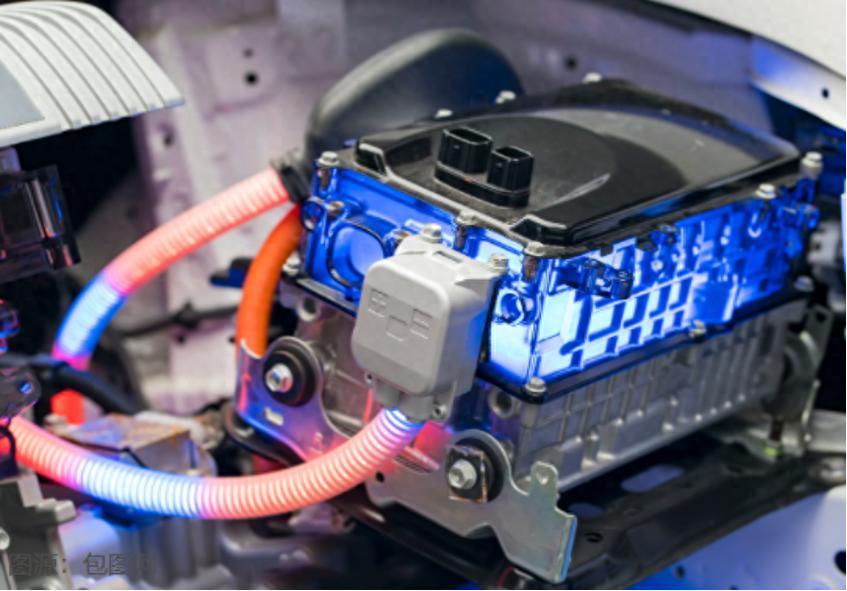
Recently, the Hong Kong Stock Exchange welcomed another unicorn company knocking at its door. Guangdong Jinsheng New Energy Co., Ltd. (hereinafter referred to as "Jinsheng New Energy") has made its first attempt to enter the Hong Kong stock market.
It is reported that this leading company in the lithium battery recycling sector initiated the A-share listing counseling and filing process as early as 2022 but terminated its A-share listing process in August this year, shifting its listing destination to the Hong Kong Stock Exchange.
The next few years will be the golden period for the lithium battery recycling industry. For Jinsheng New Energy, which is struggling with tight funding and poor self-sustaining capabilities, listing now to "replenish blood" and expand production capacity aligns well with its long-term interests.
The Unicorn Trapped by Supply and Demand
Founded in 2010, Jinsheng New Energy is a comprehensive lithium battery recycling and utilization solutions provider. Its recycling business covers mainstream battery systems such as ternary lithium batteries and lithium iron phosphate batteries.
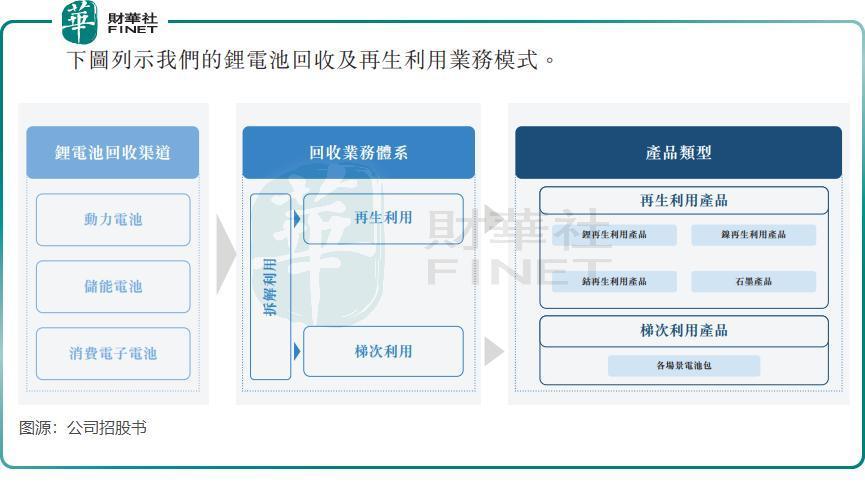
In just over a decade, Jinsheng New Energy has risen to become the global industry leader. Based on 2023 recycling sales revenue, the company is the world's second-largest lithium battery recycling and utilization enterprise and the largest third-party lithium battery recycling and utilization company globally.
Jinsheng New Energy's valuation has exceeded 10 billion yuan. In the 2024 Hurun Global Unicorn List, Jinsheng New Energy ranked 680th with a valuation of 12 billion yuan.
In terms of performance, due to industry supply-demand imbalances and declining product prices, Jinsheng New Energy's performance took a sudden downturn in 2023.
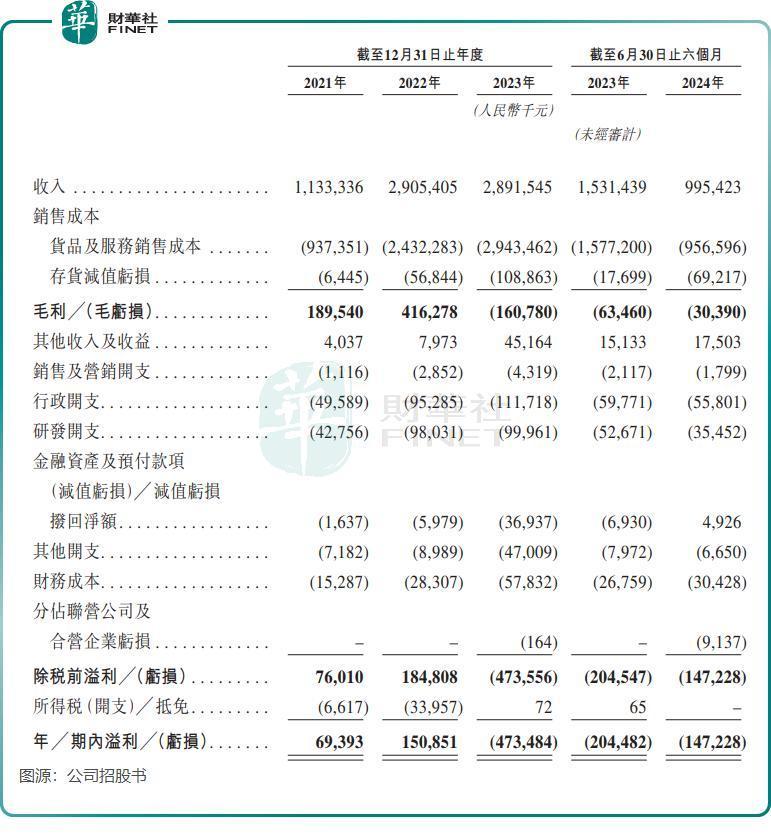
The prospectus shows that in 2022, Jinsheng New Energy's products saw both volume and price increases, with revenue and net profit reaching 2.905 billion yuan (RMB, same below) and 151 million yuan, surging by approximately 156% and 117%, respectively. However, in 2023, the company's revenue dropped to 2.892 billion yuan, turning into a loss of 473 million yuan.
In the first half of 2024, the company's revenue further declined to 995 million yuan, a year-on-year drop of 35%, with a loss of 147 million yuan.
Since 2023, domestic lithium carbonate supply has been oversaturated, and demand in the lithium battery industry has slowed. Coupled with fierce competition among upstream and downstream companies in the industrial chain, prices for products like lithium phosphate and nickel sulfate have "collapsed." For example, according to Wind data, domestic lithium phosphate prices peaked at over 560,000 yuan per ton in November 2022 before plummeting to a low of 75,600 yuan per ton by December 23 this year.
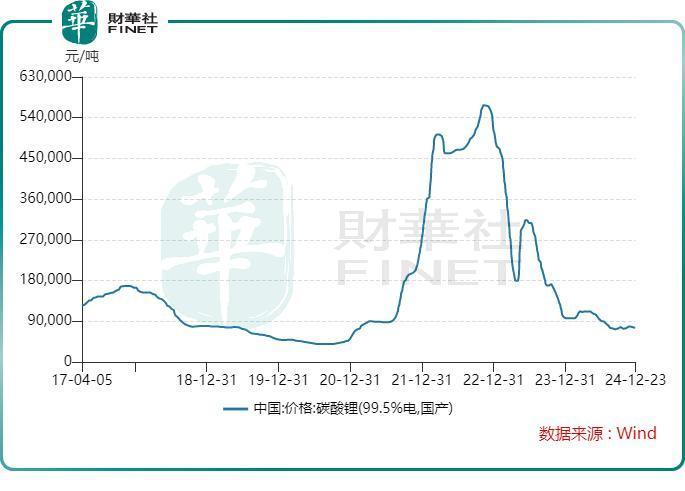
A Frost & Sullivan report predicts that the average price of lithium carbonate in 2024 will be 82,900 yuan per ton, a drop of over 60% compared to 241,000 yuan per ton in 2023.
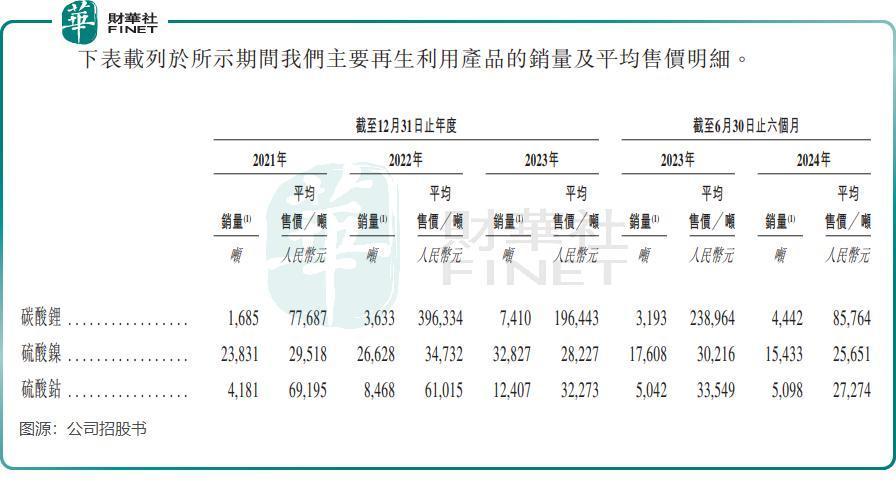
Against this backdrop, Jinsheng New Energy could not escape unscathed. Although the sales volume of its products increased in 2023, the average selling price dropped significantly. In the first half of 2024, product prices continued to decline, and sales volume also weakened, leading to a halt in the company's high-growth momentum and a plunge into negative growth.
According to the prospectus, since 2021, Jinsheng New Energy has raised over 1.3 billion yuan in funding from renowned investment institutions such as CICC, Fosun, and GAC. However, facing the dual pressures of massive investments and declining performance, the company's financial situation appears quite strained.
As of the end of June this year, the company's cash and cash equivalents were only 39.451 million yuan, while its current liabilities exceeded 1.5 billion yuan.
After Surviving the Cold Winter, Is There Gold Ahead?
Before the power battery industry entered an irrational development trajectory, Jinsheng New Energy enjoyed market dividends. However, the industry's drastic changes since 2023 have slammed the brakes on its performance.
From a medium- to long-term industry perspective, is the sector Jinsheng New Energy operates in full of "gold"? Can the company's performance return to a high-growth track?
The power battery recycling industry requires a certain cycle to achieve growth—batteries must be retired before they can be recycled. Data shows that the service life of electric vehicle power batteries is generally 5 to 8 years. China's new energy vehicle sales began to grow rapidly in 2018, so the next few years will see an accelerated increase in the number of retired lithium batteries domestically.
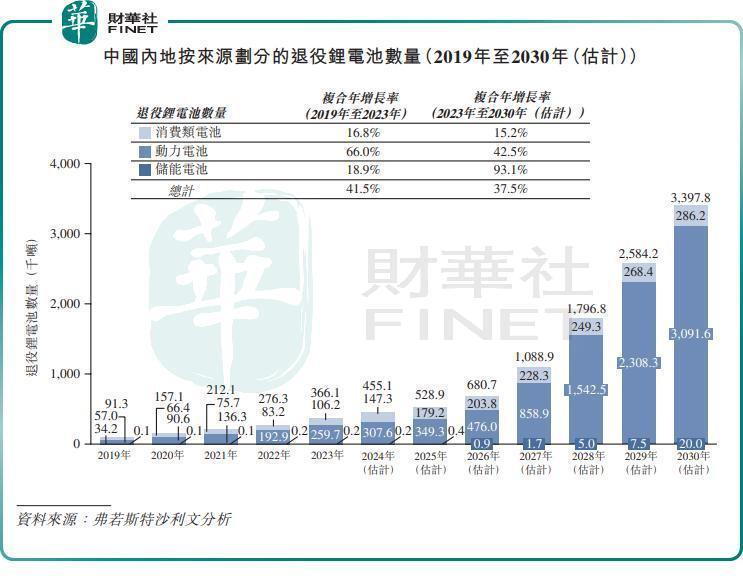
Frost & Sullivan data indicates that with the wave of lithium battery retirements, China's mainland power battery waste volume will reach 3.0916 million tons by 2030, with a compound annual growth rate of 42.5% from 2023 to 2030.
Apart from the surge in retired lithium batteries, the driving forces behind the lithium battery recycling market include future raw material shortages and favorable policies and regulations.
Frost & Sullivan predicts that global lithium resource demand will reach 531,000 tons by 2030, with a supply gap of 81,000 tons.
Therefore, under this industry trend, leading lithium battery recycling companies are expected to encounter vast market opportunities in the future.
It is worth noting that even before the lithium battery recycling industry has fully taken off, Jinsheng New Energy faces challenges from many cross-sector competitors. Several energy industry giants have already entered the power battery recycling business, including CATL, SVOLT, Ganfeng Lithium (01772.HK), and Eve Energy (300014.SZ), all of which are well-funded.
To accelerate market expansion, Jinsheng New Energy has ambitious plans for capacity growth. The company stated in its prospectus, "We plan to gradually expand production facility capacity by 2025 to process 280,000 tons of retired ternary lithium batteries annually."
Regarding the use of IPO proceeds, the company plans to allocate funds for the construction of a lithium iron phosphate processing plant at its production base in Ganzhou, Jiangxi Province, and to expand upstream raw material resources.
Additionally, Jinsheng New Energy is expanding into downstream cathode material production. It expects to launch lithium iron phosphate battery cathode materials by 2025 and plans to further extend its product line by producing electrodeposited nickel and cobalt products starting in 2025.
Author: Yao Yuan
The copyright of this article belongs to the original author/organization.
The views expressed herein are solely those of the author and do not reflect the stance of the platform. The content is intended for investment reference purposes only and shall not be considered as investment advice. Please contact us if you have any questions or suggestions regarding the content services provided by the platform.
