


 Posts
PostsCrypto money printer wants to acquire Juventus: The battle between old and new money in Europe

Tether, the world's largest stablecoin giant, is preparing to acquire Juventus, Italy's most iconic football powerhouse.
On December 12, Tether submitted a takeover offer to the Italian Stock Exchange, proposing to acquire Exor Group's 65.4% stake in Juventus at €2.66 per share, a 20.74% premium over the market price. If the deal succeeds, Tether will inject an additional €1 billion into the club.
This is an all-cash offer. No bets, no conditions—just "cash on the barrelhead." In the world of capital, this is the crudest form of sincerity, and Tether has given Exor Group only 10 days to decide.
However, Exor Group, controlled by the Agnelli family, quickly issued a statement: "There are currently no negotiations regarding the sale of Juventus shares."
The message is clear: Not for sale.
Within 24 hours, Italian journalist Eleonora Trotta reported that Tether is preparing to double its offer, valuing Juventus at €2 billion.
At the eye of the storm is Paolo Ardoino.
In 1984, Paolo was born in a small Italian town. His parents were civil servants, and his grandparents tended a traditional olive grove. It was a quintessential Italian childhood—black-and-white striped jerseys, the roar of Turin's Allianz Stadium, and the glory of the Agnelli family—all woven into the spiritual tapestry of his upbringing.
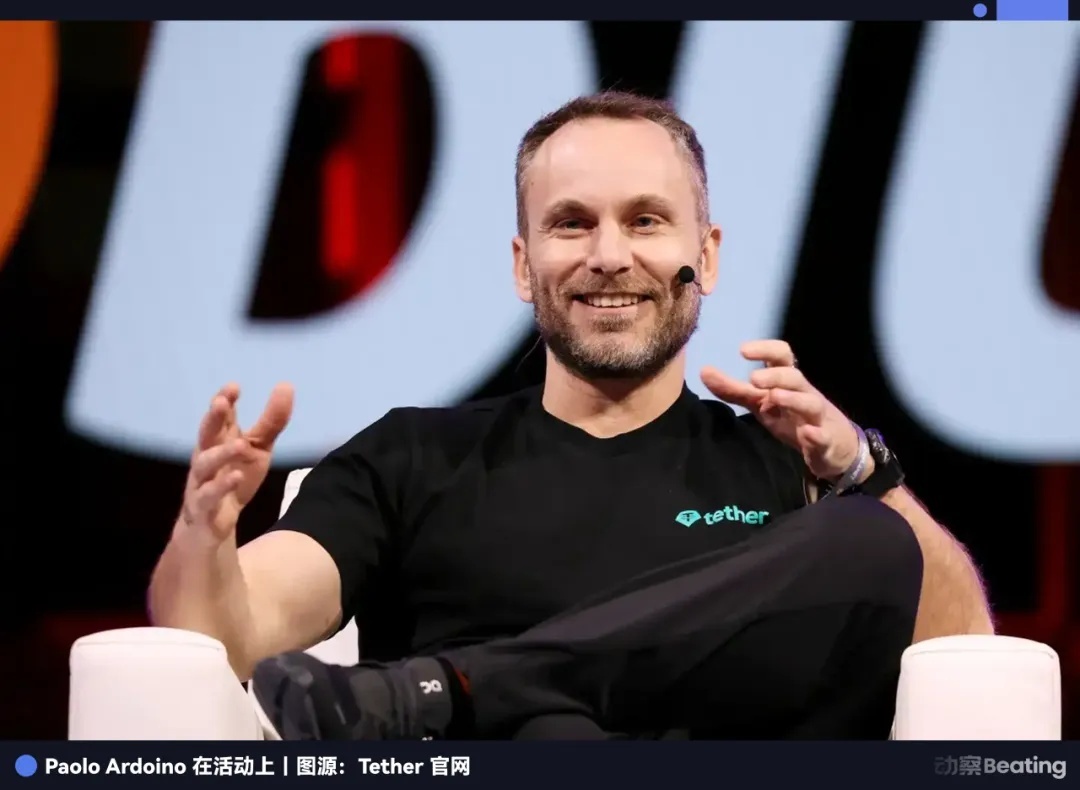
Thirty-two years later, the boy under the olive trees became the Caesar of the crypto world, steering Tether's $13 billion annual profit printing press. Now, he has returned in triumph, seeking to buy his childhood dream and repay the black-and-white faith flowing in his veins.
But reality taught him a lesson about sentiment.
When Paolo knocked on Juventus's door with enthusiasm, he was met not with flowers or applause but with nine months of exclusion and humiliation from the old world.

Nine Months of Exclusion
The honeymoon began almost like unrequited love.
In February 2025, Tether announced it had acquired an 8.2% stake in Juventus, becoming the second-largest shareholder after Exor Group. In the official statement, Paolo shed his businessman's shrewdness and revealed rare vulnerability: "Juventus has always been part of my life."
Paolo thought this was a win-win deal: I have money, you need money, let's shake hands. But in Italy, some doors aren't opened with money alone.
Two months later, Juventus announced a capital increase of up to €110 million. At this critical moment needing cash, Paolo, as the second-largest shareholder, was deliberately "forgotten." No calls, no emails, no explanation. Exor Group didn't even bother to send him a polite rejection.
Paolo vented his frustration on social media: "We hoped to increase our stake in Juventus through the club's potential capital increase, but this wish was ignored."
Paolo had never felt so humiliated. A financial titan managing $13 billion in annual profits had to "remind" Juventus on social media: I want to participate, I want to invest more, but I'm being ignored.
Some sympathized with Paolo, seeing him as a true Juventus fan; others questioned his motives, believing he just wanted to whitewash Tether's image with Juventus.
Whether met with sympathy or skepticism, in the Agnelli family's eyes, Paolo remained an "outsider." From the start, their relationship wasn't about cooperation but "defense."
If sentiment couldn't earn respect, then money would.
From April to October, Tether increased its stake from 8.2% to 10.7% through the open market. Under Italian law, a stake above 10% grants the right to nominate board members.
On November 7, at Juventus's annual shareholders' meeting in Turin, tensions ran high due to Tether's disruption.
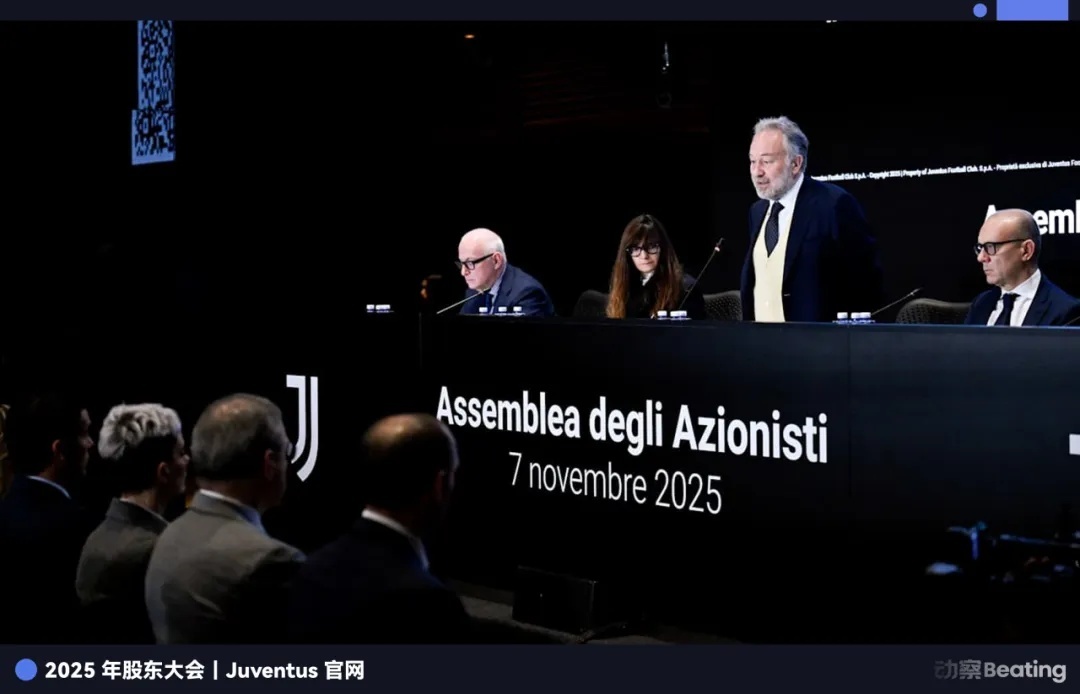
Tether nominated Francesco Garino, a renowned Turin doctor and lifelong Juventus fan, as a board candidate. Paolo wanted to show: We're not barbarians; we're Turin's own, bound by blood.
But the shrewd Exor Group played its trump card: Giorgio Chiellini. The legendary captain, who won nine Serie A titles in 17 years with Juventus, was pushed forward.
This was Exor's strategy: Pit legend against capital, sentiment against money.
Though Tether narrowly secured one board seat, in a boardroom where the Agnellis hold absolute control, a seat means you can listen and suggest—but don't expect to steer.
John Elkann, the fifth-generation Agnelli heir, concluded: "We're proud to have been Juventus shareholders for over a century. We have no intention to sell, but we're open to constructive ideas from all stakeholders."
Translated bluntly: This isn't just business; this is our family's domain. You can come in for tea, but don't think you'll own the place.

Old Money's Arrogance and Prejudice
John's words carry 102 years of family pride and arrogance.
On July 24, 1923, 31-year-old Edoardo Agnelli took Juventus's helm. From that day, the Agnellis and Juventus were inseparable. For most of the 20th century, their Fiat empire was Italy's largest private employer, supporting millions of families.
Juventus became another symbol of their power—36 Serie A titles, two Champions Leagues, 14 Coppa Italias—the most successful club in Italian football history and a source of national pride.
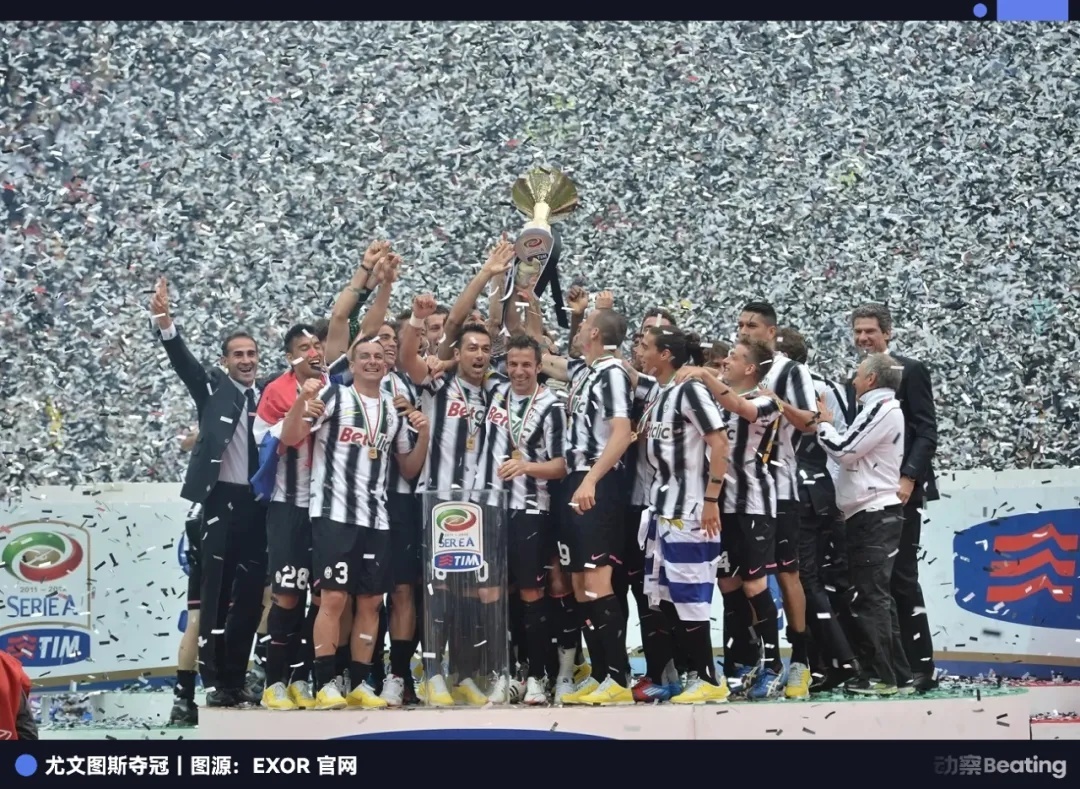
Yet the Agnelli legacy is marred by blood and fractures.
In 2000, heir Edoardo Agnelli jumped from a bridge, ending his battle with depression. Three years later, patriarch Gianni Agnelli died, passing the torch to grandson John Elkann.
Born in New York and raised in Paris, John speaks English, French, and Italian—but his Italian carries a foreign accent. To old-school Italians, he's just a proxy who inherited power.
To prove himself worthy, John spent 20 years restructuring Fiat, merging with Chrysler to form Stellantis (the world's fourth-largest carmaker), taking Ferrari public (doubling its value), and buying The Economist (extending the family's global influence).
But cracks are widening. In September 2025, John's mother Margherita sued him, claiming he seized her inheritance per a 1998 "will." A mother-son court battle is a scandal in family-honor-obsessed Italy.
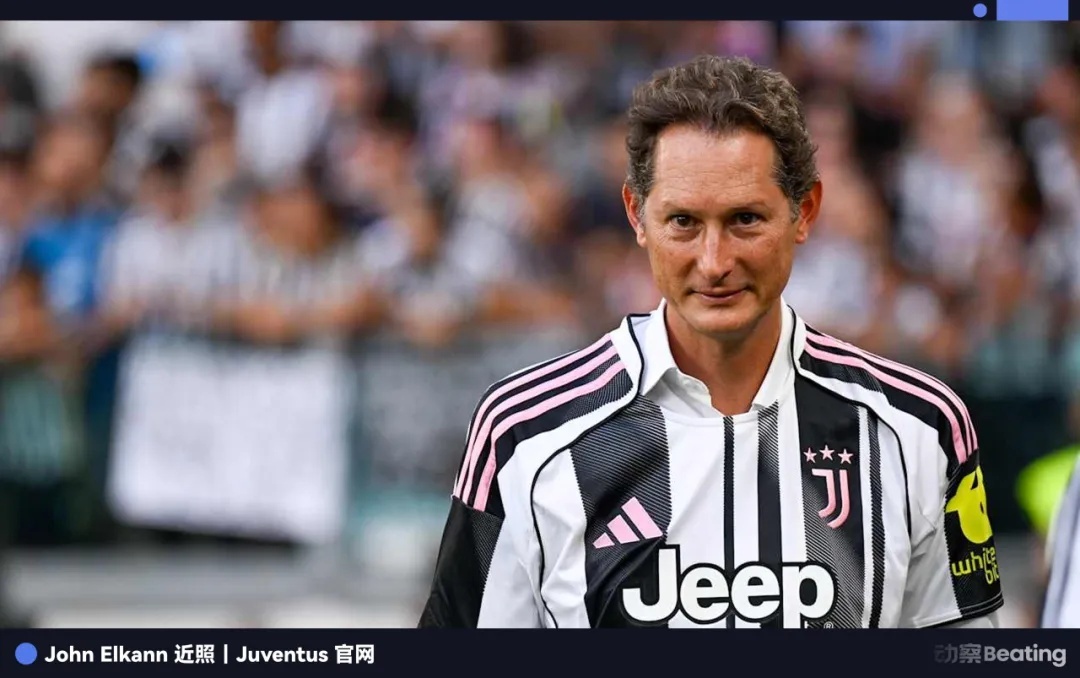
Selling Juventus would mean admitting the family's decline—that he's lesser than his forebears.
To keep Juventus, John is frantically selling other assets.
Days before Tether's offer, Exor offloaded media group GEDI (owner of La Repubblica and La Stampa—Italy's top papers) to Greece's Antenna Group for €140 million. The sale sparked outrage, forcing Italy to invoke "golden power" rules to protect jobs and editorial independence.
Newspapers? Liabilities—cut them. Juventus? A totem—keep it.
This reveals old aristocracy's plight: They can't sustain their empire, only its most symbolic relic.
So despite Paolo's 20% premium, John sees it as a threat.
In old Europe, wealth has a hierarchy.
The Agnellis' fortune reeks of motor oil—forged from steel, rubber, engine roars, and workers' sweat. Tangible, orderly, a century-old social contract.
Paolo's money comes from crypto—a wild, controversial industry.
Precedents abound: Blockchain firm DigitalBits signed €85M deals with Inter Milan and AS Roma, then defaulted, leaving chaos. The 2022 crypto crash saw Luna logos on Washington Nationals jerseys and FTX naming Miami's arena. To the Agnellis, crypto is speculation and bubbles.
To them, Paolo will always be an "other." Not for his roots—for his money.

A Totem Needing Rescue
But Juventus needs money.
Today's Juventus is in crisis, tracing back to July 10, 2018, when it signed 33-year-old Cristiano Ronaldo: €100M transfer, €30M net salary, four years.
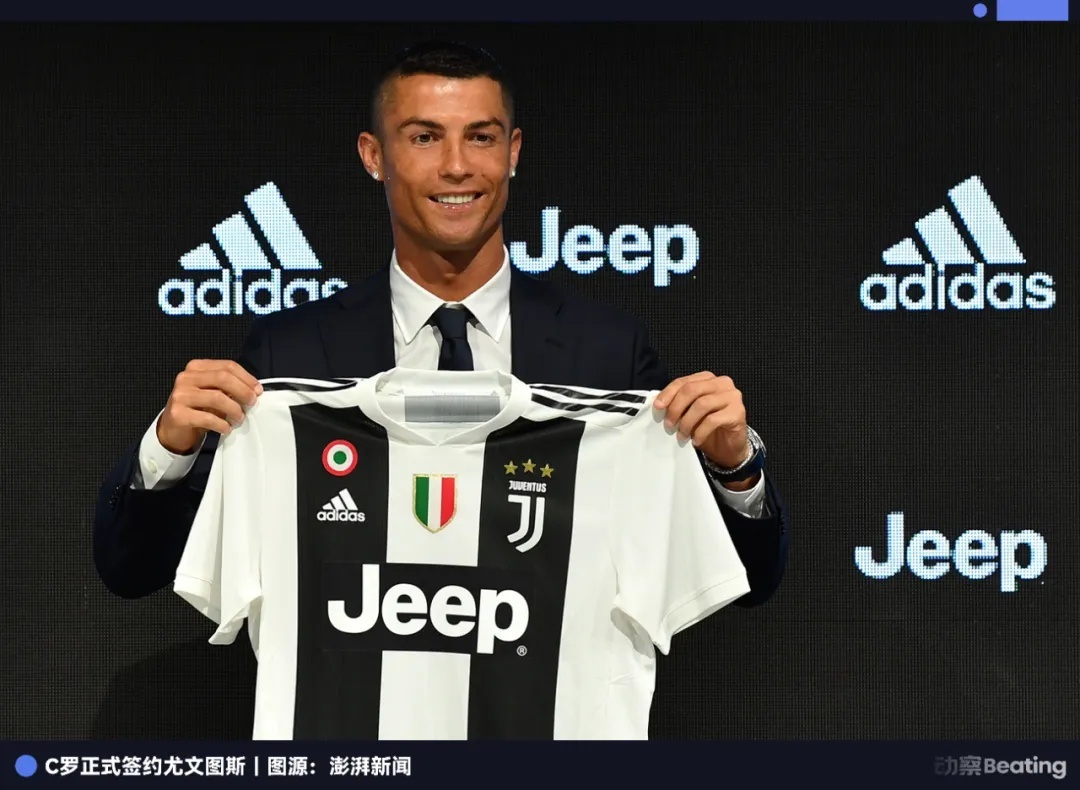
Serie A's biggest signing ever. Then-chairman Andrea Agnelli (fourth-gen heir) declared: "Juventus's most important signing. We'll win the Champions League with Ronaldo."
Turin erupted. Fans bought 520,000 Ronaldo jerseys in 24 hours—a record. All believed he'd lead Juventus to European glory.
But they didn't win. 2019: Ajax upset. 2020: Lyon ousted. 2021: Porto defeated. In August 2021, Ronaldo abruptly left for Manchester United. Juventus not only failed to recoup its investment but sank deeper financially.
Accountants later tallied Ronaldo's total cost: €340M—€2.8M per goal over 101 goals.
For Juventus, the Champions League isn't just glory—it's a cash spigot: TV shares, matchday revenue, sponsor bonuses. Missing it thins finances, forcing accounting tricks to plug holes.
Juventus sold Miralem Pjani? to Barcelona for €60M while buying Arthur for €72M. Officially unrelated, but everyone knew: a clever swap. Juventus paid just €12M net but booked millions in "capital gains."
Such tricks aren't rare in football—but Juventus overdid it.
Probes found 42 suspicious deals inflating profits by €282M over three years. The scandal toppled the entire board, including Andrea Agnelli.
Punishments followed: point deductions, Champions League bans, executive suspensions—triggering a vicious cycle: poor results ? lower revenue ? no signings ? worse results.
From a €39.6M loss in 2018-19 to €123.7M in 2022-23. From nine straight Serie A titles to perennial losses. In November 2025, Exor had to inject another €100M.
This was Exor's third Juventus bailout in two years. With Ferrari, Stellantis, and The Economist under its belt, Juventus's losses are eroding group profits. 2024 net profit fell 12%; analysts call Juventus a "drag."
John is torn.
Meanwhile, Paolo—with $13B annual profits—knocks. He has money, patience, and love for Juventus.
It'd be a perfect deal—if not for the mountain of "class" in the way.

A Dream Under Olive Trees
Getting no response, Paolo made his move.
On December 12, bypassing backroom talks, he went to the Italian Stock Exchange, making the offer public. He cornered John, forcing him to answer before Italy: Money or family pride?
Juventus's stock soared; markets craved "new money." Corriere dello Sport and Tuttosport led with it. All Italy awaits the Agnellis' choice.
Their refusal was expected—yet irrational given their finances. It takes tragic stubbornness to reject such cash.
For Paolo, this is about saving his childhood idol. Tether may be a global digital nomad, but its CEO is Italian—its heart is Italian.
For the Agnellis, it's about guarding 102 years of family glory and Italy's industrial age.
This isn't business logic—it's a clash of faiths.
To John, the bronze gates must stay shut—outside are speculators seeking legitimacy. To Paolo, they should open—outside is an Italian-blooded savior.
But time isn't on old money's side.
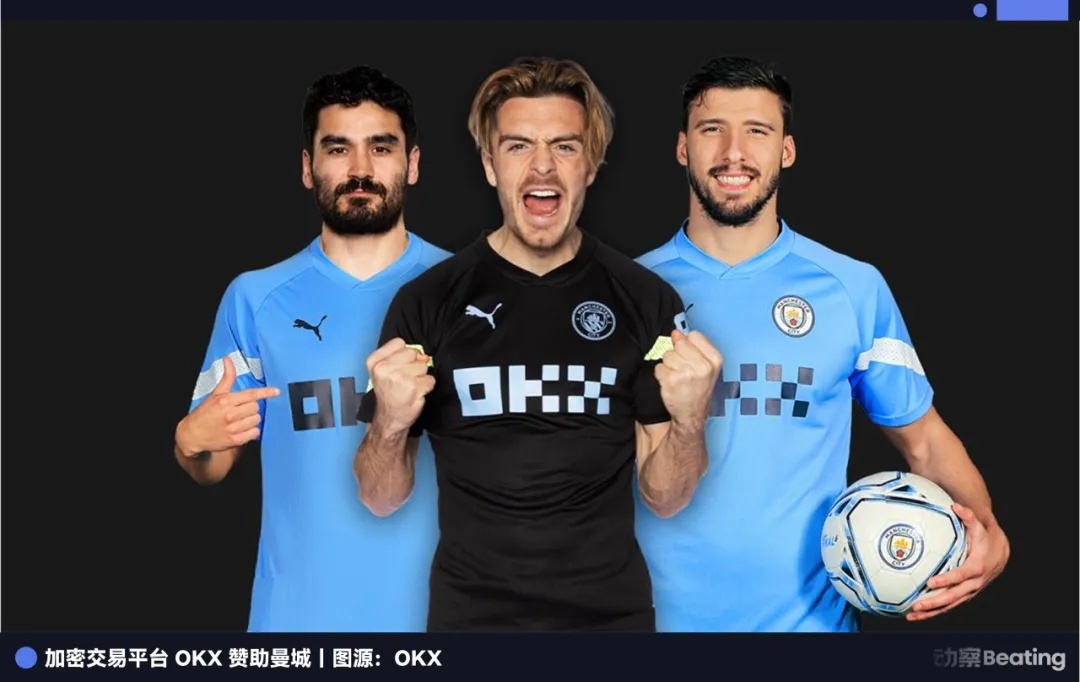
The week Exor rejected Tether, Premier League champs Manchester City renewed with crypto platform OKX (jersey sponsorship: nine figures). PSG, Barcelona, AC Milan, Korea's K-League, Japan's J-League—all now partner with crypto firms.
New money invading old industries isn't about "if" but "how." Football's just one front. Sotheby's and Christie's accept crypto for art; Dubai and Miami mansions trade in Bitcoin. This clash plays out globally.
Paolo's charge, win or lose, tests this era's limits: When a generation creates wealth anew, do they earn a seat at old money's table?
The story ends in that olive grove.
Thirty-two years ago, a dark-haired boy sat there, hearing grandparents work, cheering black-and-white stripes on TV. He never imagined standing outside those gates, waiting for an answer.
The bronze gates, still shut, stand cold and proud. Behind them: a century of Agnelli glory, the last glow of industry's age.
They won't open to new money now. But this time, the knocker won't back down. He knows: Opening them is just a matter of time.
The copyright of this article belongs to the original author/organization.
The views expressed herein are solely those of the author and do not reflect the stance of the platform. The content is intended for investment reference purposes only and shall not be considered as investment advice. Please contact us if you have any questions or suggestions regarding the content services provided by the platform.
