


 Likes Received
 Rate Of Return
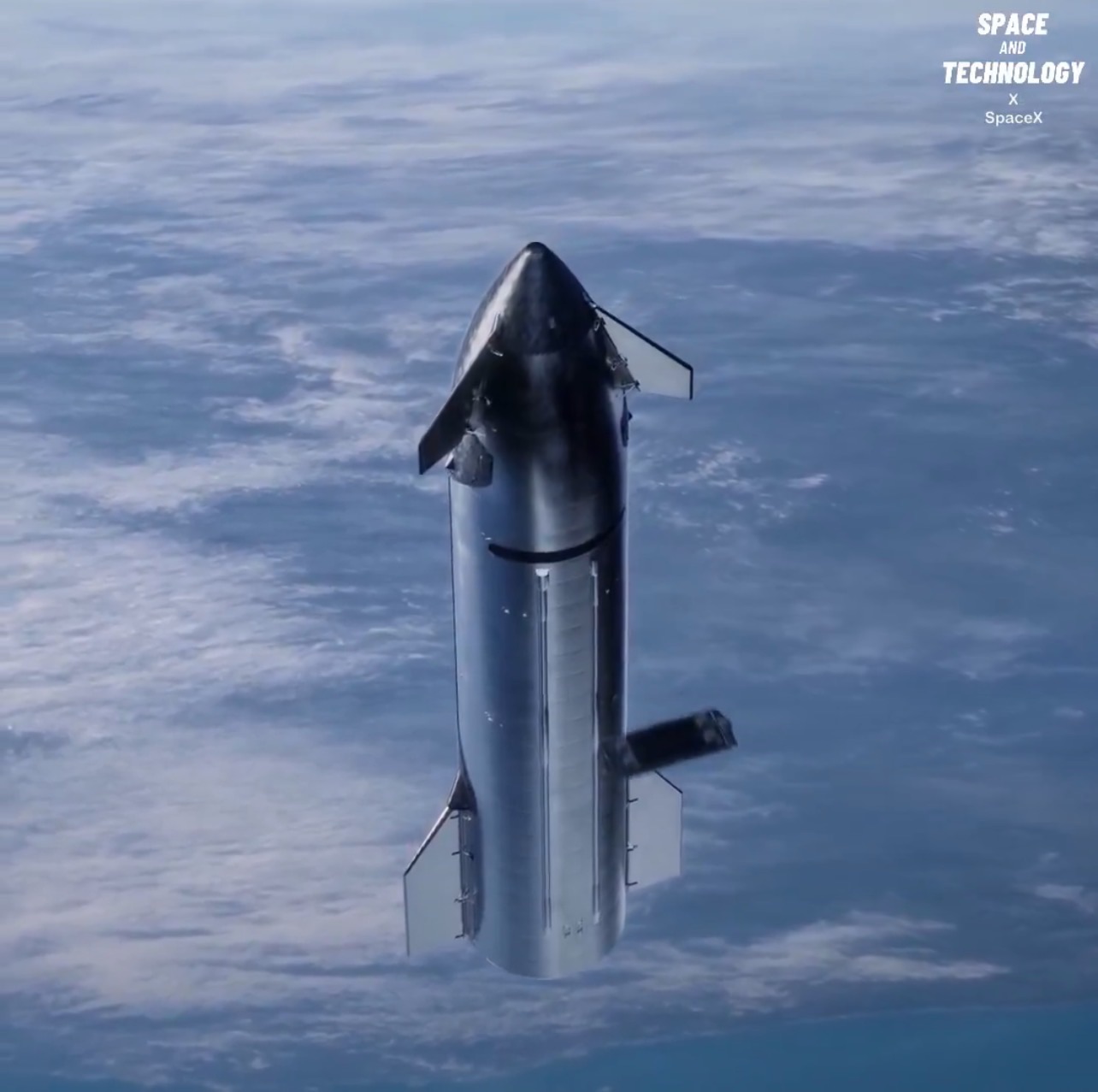
🔥🚀SpaceX is using Starship + Starlink V3 to directly elevate "global internet speed" to a new level.
SpaceX is preparing to launch the next-generation Starlink V3 satellites using Starship. The significance of this step is not just an upgrade in launch capability, but a structural leap in network capacity.
The core change in this generation of satellites is straightforward: a significant increase in throughput capacity.
Downlink speeds can reach up to 1 Tbps, and uplink speeds reach 160 Gbps. This is no longer a simple performance optimization; it's propelling satellite internet into a whole new stage of data scale.
In other words, Starlink is transitioning from a "usable network" to "high-performance network infrastructure".
The truly critical variable is actually Starship.
Starship's payload capacity means it can deliver more V3 satellites into orbit in a single launch, directly altering deployment efficiency and network expansion speed. Networks that previously required multiple launches for gradual rollout can now achieve larger-scale coverage with fewer launches.
This will bring two chain reactions:
First, global network density will increase faster. More satellites coming online simultaneously means coverage quality and stability improve in sync, not gradually.
Second, unit bandwidth costs may decrease. When increased launch capacity is combined with batch deployment, the entire system's cost structure will be rewritten.
Once throughput capacity reaches the Tbps level, application scenarios will also be reopened—not just for connecting remote areas, but also for handling high-density data applications, such as enterprise networks, cloud computing access, and even supplementing parts of terrestrial networks.
This step is essentially an attempt to transform satellite internet from a "supplementary solution" into an "infrastructure option".
What's more worth watching next is not just the technical specifications, but two practical issues:
Whether Starship's launch cadence can stabilize, and whether the actual deployment speed of V3 satellites can deliver on this theoretical capability.
Because once these two points are established, the competitive structure of the global internet may no longer be just a competition among terrestrial networks.
Do you tend to see Starlink as an edge supplement, or as a truly mainstream network infrastructure of the future?
The copyright of this article belongs to the original author/organization.
The views expressed herein are solely those of the author and do not reflect the stance of the platform. The content is intended for investment reference purposes only and shall not be considered as investment advice. Please contact us if you have any questions or suggestions regarding the content services provided by the platform.
