


 SpaceX Option
🛰️ $AST SpaceMobile(ASTS.US) is becoming the hub of the power shift in the telecommunications industry, and most people haven't seen it clearly yet.
Starlink's consumer ambitions can no longer be concealed. Elon is bypassing traditional telecom operators via Starlink Mobile, offering satellite cellular services directly to global consumers. This move has already put the entire telecom industry on edge.
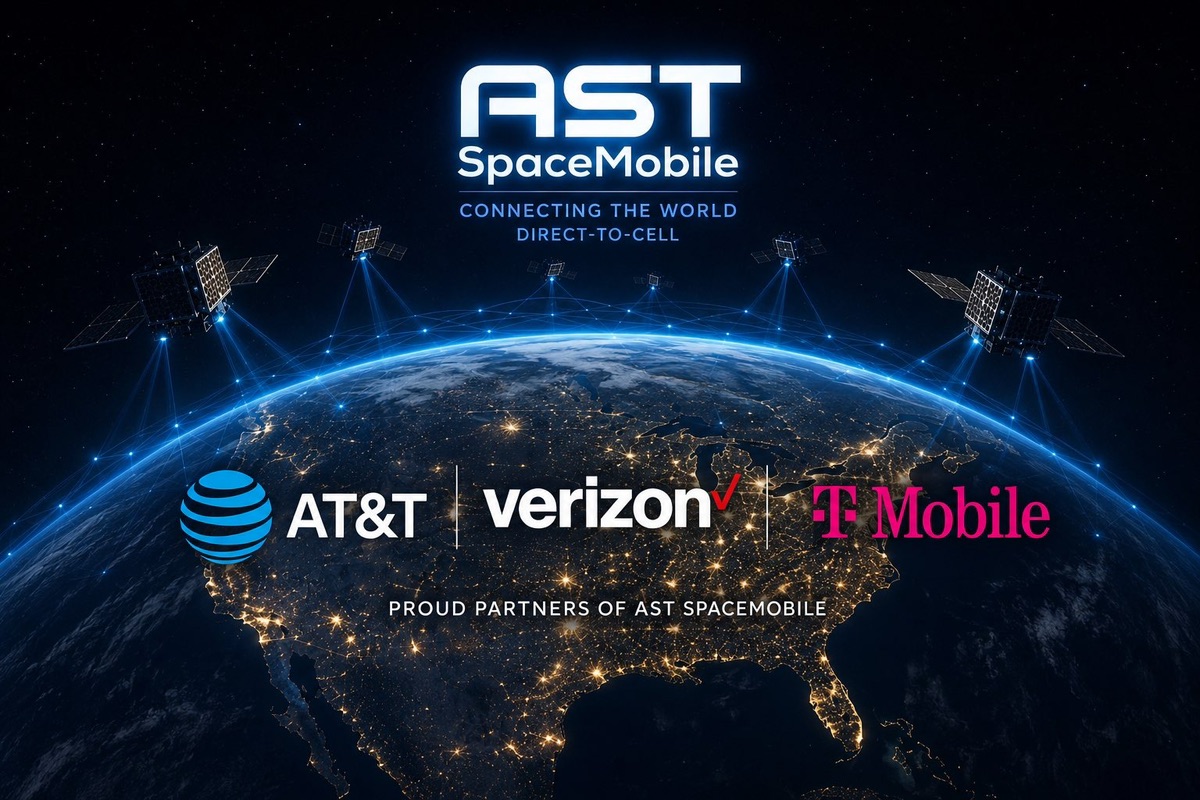
Why would AT&T, Verizon, and T-Mobile collectively establish a joint venture with AST SpaceMobile?
The answer is brutal: they are not cooperating with AST, but are jointly defending. The three telecom giants all understand that if satellite cellular technology is monopolized by a single player, their terrestrial networks could gradually be relegated to the role of "local supplementary networks." AST SpaceMobile possesses the only currently mature space-based cellular broadband solution—this means it holds the bargaining chip that traditional telecoms must negotiate with.
How deep is AST's technological moat?
It's not simple satellite communication, but a space network directly compatible with standard cellular phones. Users don't need special equipment; existing phones can receive satellite signals—this completely rewrites the history of satellite communication being "only usable with dedicated terminals." This compatibility is a technological barrier and also a strategic barrier because it means AST's network can quickly cover any signal blind spot globally, becoming a true "backup network."
Why are Google, Apple, and Amazon all watching this game?
These three tech giants are pondering: who owns the future infrastructure of the internet? If satellite cellular networks become the main artery of global communication, then the deployment models for cloud services, AI applications, and edge computing will be completely transformed. Apple needs it to ensure iPhone connectivity anywhere, Amazon Web Services needs it to expand global edge computing nodes, and Google needs it to ensure global users can access AI services anytime, anywhere.
What is the fundamental threat to the telecom industry?
The competitive barrier for traditional telecom operators is "infrastructure monopoly"—they control fiber optics, towers, and spectrum. But satellite cellular networks break this monopoly. Even the most remote locations with the most backward infrastructure can obtain a consistent cellular experience via satellite. This means emerging market users can bypass local operators to directly access the global network, posing a fundamental threat to the business models of existing telecom companies.
The real logic behind AT&T, Verizon, and T-Mobile joining the joint venture:
They are not embracing the satellite network, but are competing for a voice in it. Through joint investment and ventures, they are trying to incorporate the satellite network into their own ecosystem rather than being disrupted by it. This is a compromise of "I can't beat you, so I must coexist with you."
$AST SpaceMobile(ASTS.US) holds the core asset of 21st-century communication infrastructure—once the technology matures and commercial adoption accelerates, this company's influence on every industry globally will grow explosively.
Stay focused.
The copyright of this article belongs to the original author/organization.
The views expressed herein are solely those of the author and do not reflect the stance of the platform. The content is intended for investment reference purposes only and shall not be considered as investment advice. Please contact us if you have any questions or suggestions regarding the content services provided by the platform.
